How to Test a Solar Panel: Is It Working Properly?
Learn a practical, step-by-step method to verify whether your solar panel is generating power, including safety steps, tools, readings, and troubleshooting tips for homeowners.


To test if a solar panel is working, start with a quick visual inspection and measure output in bright sun. According to Solar Panel FAQ, testing open-circuit voltage and short-circuit current, then comparing readings to the panel’s rated specs, is best practice. If values fall within a reasonable margin, the panel is likely functioning; significant deviations point to shading, soiling, or loose connections.
What it means for a panel to be working
A solar panel is considered working when it can convert sunlight into electrical energy at its rated performance. In this guide we answer how to test a solar panel if it's working and what readings matter. This approach aligns with guidance from Solar Panel FAQ, which emphasizes practical, hands-on checks that homeowners can perform safely before calling a technician. Key ideas: test under bright sun, inspect wiring, and compare to the panel's specifications. When you test, you're looking for consistency across voltage and current readings, and you want to minimize losses from shading or dirt.
Safety and planning before testing
Testing solar panels involves electrical equipment and, in some cases, roof access. Safety comes first. Always wear insulated gloves and dry footwear, and avoid testing during rain or high winds. If the panel is on the roof, never climb without proper fall protection. Disconnect non-essential loads where feasible and keep tools dry. These precautions protect you and improve the reliability of your results.
Visual inspection: exterior, wiring, and mounting
Begin with a thorough visual check. Look for cracks in the glass, delamination, loose mounting clips, or corroded connectors. Note any shading from nearby trees or buildings, and wipe away dirt, leaves, or bird droppings that can reduce output. Open the junction box and inspect seals for water intrusion. A careful inspection often reveals issues that meters cannot quantify.
Essential tools and environment setup
Before you test, gather the essentials: a digital multimeter capable of DC voltage and current measurements, correct test leads, and a fresh battery if you need a reference. Park the system in full sun and avoid shaded periods when taking readings. If you lack a PV-rated load, you can temporarily connect a known resistive load to approximate operating conditions, but ensure all safety steps are followed.
Electrical testing: voltage and current readings
With the panel under full sun, measure open-circuit voltage (Voc) across the panel terminals and short-circuit current (Isc) with a direct, low-resistance path. Use the multimeter's DC voltage and current settings and record both values. Do not touch live conductors while readings are being taken, and keep your hands dry. Repeat measurements for consistency.
Testing under load and real-world conditions
Voltage and current readings under no-load conditions will differ from those under load. Apply a known load or connect an appropriate charge controller or inverter to observe how the panel performs when it is actually delivering power. Compare the voltage under load to the rated voltage; lower than expected can indicate shading, soiling, mismatched wiring, or a faulty panel. Document environmental conditions (sun angle, temperature) as these affect results.
Interpreting results and troubleshooting common issues
If Voc and Isc align with the panel's specs within a reasonable margin, the panel is likely functioning. Large deviations signal potential problems: shading from partial obstruction, soiling, or loose wiring. Check connections at junction boxes and wiring harnesses, reseat connectors, and ensure seals are intact. When in doubt, test again at solar noon on a clear day to verify results.
When to call a professional and documenting findings
If you notice persistent deviations, visible damage, or a sudden drop in output after cleaning, consult a licensed installer or the panel manufacturer. Prepare a short report including the date, location, readings (Voc, Isc, under load), weather conditions, and any recent maintenance. Having clear documentation speeds service calls and helps with warranty claims.
Authority sources
- https://www.energy.gov/eere/solar
- https://www.nrel.gov/pv/
For further reading, consult these government and educational resources on solar energy, safety, and performance testing. They provide background on how PV systems generate electricity, how weather and shading affect output, and how professionals assess panel condition.
Tools & Materials
- Digital multimeter (DC voltage/current)(Set to DC; measure Voc and Isc across panel terminals.)
- Test leads with alligator clips(Insulated, appropriate gauge; one set per measurement.)
- Safety gloves (insulated)(Wear when handling exposed conductors.)
- Non-contact voltage tester (optional)(Good for quick checks without direct contact.)
- Irradiance meter or sun meter (optional)(Helps gauge sun intensity for consistent comparisons.)
- Camera or smartphone for documentation(Take photos of panel, wiring, and readings.)
Steps
Estimated time: 60-90 minutes
- 1
Prepare and safety check
Power down non-essential loads where feasible and review safety steps. Wear insulated gloves, dry footwear, and avoid testing when wet or windy. Ensure you have a clear, dry path to the panel and disconnect the test path if you must handle live parts.
Tip: Never touch exposed conductors; keep tools dry and use insulated gloves. - 2
Perform a visual inspection
Inspect the panel face for cracks, delamination, loose mounting hardware, and signs of corrosion at connectors. Check for shading and wipe away dirt or leaves that could affect readings. Document any damage before proceeding.
Tip: Take photos from multiple angles to capture any issues. - 3
Measure open-circuit voltage (Voc)
With the panel exposed to bright sun, place meter probes across the panel terminals to measure Voc. Record the reading and note sun conditions. Repeat once to confirm consistency.
Tip: Ensure the panel is not loaded with a device drawing current during the Voc measurement. - 4
Measure short-circuit current (Isc)
Connect a direct, low-resistance path to measure Isc. Use the meter in current mode and record the value. Again, avoid touching live conductors and keep the setup dry.
Tip: Isc should be taken with the panel fully illuminated; cloudy conditions produce lower readings. - 5
Test under load with a known resistor or controller
Connect a safe load (or a small inverter/charge controller) to observe performance under operating conditions. Compare the loaded voltage to the panel’s nominal rating and check for stability across readings.
Tip: If the load causes voltage to collapse, investigate shading, bad connections, or damaged cells. - 6
Interpret results and document
Compare Voc and Isc to the panel’s rated specs and look for consistency across measurements. If readings are close to spec, the panel is likely functioning; deviations point to shading, dirt, loose connections, or damage. Record date, conditions, and readings for future reference.
Tip: Use solar-noon readings as a baseline when possible.
Frequently Asked Questions
Do I need to disconnect the panel from the system before testing?
Yes. If possible, isolate the panel from the rest of the system to avoid energizing circuits during measurements. When in doubt, consult the manufacturer’s guidelines or a licensed electrician.
Yes, disconnecting or isolating the panel is safest before testing to prevent energizing parts.
Can I test a solar panel indoors?
Indoor tests are not ideal because sunlight conditions cannot be accurately reproduced. Use outdoor testing under full sun for reliable Voc and Isc readings.
Indoor tests don’t reflect real performance; test outside in bright sun.
What readings indicate a faulty panel?
Significant deviations from the panel’s rated Voc and Isc under sun typically indicate a fault. Also watch for dramatic drops after cleaning or after shading.
Big mismatches between measured readings and specs usually mean something’s wrong.
Is it safe to test panels on the roof?
Roof testing is risky; use fall protection and avoid climbing in poor weather. If you’re unsure, hire a professional to inspect the roof-mounted array.
Roof testing can be dangerous; use safety gear or hire a pro.
How often should I test solar panels?
Test annually or after major weather events, maintenance, or suspected damage to verify ongoing performance.
Annual checks are a good habit, especially after storms.
What tools do I need for testing?
A digital multimeter and proper test leads are essential. Ensure settings are correct for DC voltage and current.
You mainly need a DC multimeter and leads to get started.
What if shading or dirt is the issue?
Trim branches causing shading, clean dirt and debris, and re-test. If performance remains poor, consult a professional.
Shade and dirt reduce output; cleaning and re-testing helps determine if replacement is needed.
Watch Video
Top Takeaways
- Inspect visually for cracks and loose wiring.
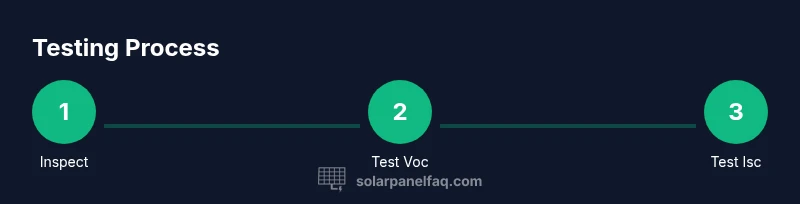
- Test Voc and Isc under full sun and compare to rated specs.
- Shade, dirt, or loose connections commonly cause poor output.
- Document findings for warranty or pro consultation.
- Test annually or after major weather events to track performance.