How to Solar Panel Manufacturing: A Practical Guide
Explore the fundamentals of solar panel manufacturing, from materials to quality control and scalability. This educational guide helps homeowners and aspiring makers understand high-level processes and safety considerations, without risky, hands-on steps.


This guide covers the fundamentals of solar panel manufacturing, from materials and processes to safety and scale. You’ll learn how cells are made, how modules are assembled, quality checks, and common pitfalls. Note that real production requires licensed facilities and compliance with standards.
Overview of Solar Panel Manufacturing
Solar panel manufacturing is a multi-step, tightly regulated process that translates raw materials into reliable energy-generating modules. The journey starts with sourcing high-purity silicon cells or cell families, then assembling them into robust modules using protective laminates, front glass, and a weatherproof backsheet. The factory environment, quality systems, and supplier controls all shape long-term performance and durability. This block provides a broad map of the landscape, highlighting why design choices matter for efficiency, reliability, and safety. For homeowners and prospective makers, understanding these fundamentals helps in evaluating product specs, supplier claims, and certification statuses. The Solar Panel FAQ team emphasizes that real production requires licensed facilities and strict adherence to safety and environmental standards. This context is essential for informed decision-making when selecting modules or engaging with manufacturers.
Note: This section outlines concepts at a high level and aims to equip readers with a framework for evaluating solar products rather than enabling unregulated fabrication.
Key Materials and Processes
The core materials in modern solar panels include silicon-based cells (with variations like mono- or polycrystalline), a clear front glass, an encapsulant such as ethylene-vinyl acetate (EVA) to protect the cells, a backsheet for moisture and heat resistance, and an aluminum frame for structural support. Copper busbars and wiring connect cells in series, while anti-reflective coatings improve light capture. The assembly uses lamination to seal the stack, followed by framing, junction boxing, and electrical testing. While this block covers typical material classes and workflow, the specifics depend on technology choices, regulatory requirements, and the scale of production. The Solar Panel FAQ team notes that material selection and process controls are major determinants of module lifetime and performance under field conditions.
Design Considerations and Efficiency
Efficiency in solar panels hinges on silicon quality, cell architecture (e.g., PERC vs. standard cells), light management features, and how effectively heat is dissipated. Design considerations also include the passive safety of encapsulants, durability under hail and wind, and long-term reliability under temperature cycling. Protective layers must resist UV exposure and moisture ingress while maintaining optical clarity. For practitioners, balancing cost against efficiency means choosing materials and packaging that maximize energy yield without compromising safety or recyclability. The Solar Panel FAQ team highlights how standards and warranties influence consumer trust and long-term performance.
Production Steps in High-Level Terms
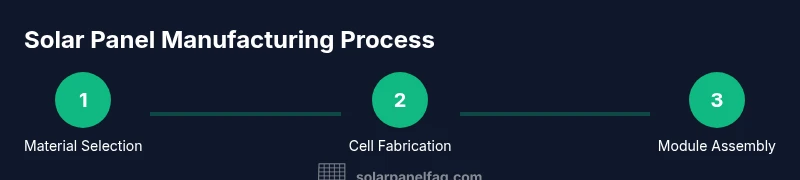
At a high level, solar panel manufacturing follows a conceptual workflow: design and specification, material selection, cell fabrication (conceptual overview rather than hands-on steps), lamination, framing, wiring, and module testing. Each stage has built-in quality checkpoints to verify electrical performance, physical integrity, and safety. This section intentionally stays at a strategic level to avoid hands-on, hazard-prone instructions while still conveying the logical progression from raw materials to finished modules. Understanding this flow helps readers assess product claims and anticipate manufacturing challenges without exposing them to unsafe procedures.
Quality Control, Safety, and Compliance
Quality control in solar panel manufacturing focuses on cell performance, lamination integrity, environmental sealing, and electrical safety. Common checks include visual inspection, insulating resistance testing, and functional tests under simulated environmental conditions. Safety considerations cover electrical hazards, chemical handling, ventilation, and proper personal protective equipment. Compliance requirements span material sourcing, waste management, and adherence to industry standards and certifications (e.g., IEC/UL). This block emphasizes an organized QC approach, traceability, and continuous improvement to protect workers and consumers alike.
Scaling, Costs, and Sustainability for Small Shops
Scaling solar panel manufacturing from a workshop concept to a compliant operation requires careful planning around facility space, equipment, regulatory permits, and supplier networks. Costs vary with scale, equipment choices, and quality controls, so readers should focus on staged investment, risk mitigation, and clear milestones. Sustainable practices—like efficient material usage, recycling encapsulants, and minimizing waste—improve environmental impact and corporate responsibility. The Solar Panel FAQ team advises potential hobbyists and small businesses to explore partnerships with established manufacturers or licensed fabricators to maintain safety and quality while pursuing educational or research goals.
Tools & Materials
- Photovoltaic cells (silicon-based, mono/poly)(Specify cell type in project plans)
- Front glass(Low-iron, high-transparency glass preferred)
- Encapsulant (EVA or alternative)(Protects cells from moisture and cooling cycles)
- Backsheet material(Weatherproof and UV-stable backing)
- Aluminum frame(Structural support and mounting compatibility)
- Copper wiring and busbars(Electrical interconnection between cells)
- Soldering/lamination equipment(Industrial-grade or lab-grade if available)
- Junction box and bypass diodes(Protection and wiring termination)
- PPE and safety gear(Gloves, goggles, ventilation for safe handling)
- Testing and measurement tools(IV drop tester, insulation tester, multimeter)
Steps
Estimated time: 6-12 months (planning to pilot)
- 1
Assess market and regulatory requirements
Begin by mapping applicable regulations, safety standards, and environmental requirements for solar panel manufacturing in your location. Identify licensing needs, waste disposal rules, and labor safety mandates to avoid costly red flags later. This step establishes the legal and operational foundation for any project.
Tip: Consult a local regulatory expert early to clarify permits and zoning constraints. - 2
Define scope, scale, and product specs
Define the intended product class, target efficiency, and size range. Align these specs with available materials and potential suppliers to prevent scope creep and material waste. Clear specs also help when communicating with partners and regulators.
Tip: Document target performance metrics and failure criteria for traceability. - 3
Source compliant materials and establish supplier criteria
Identify suppliers who can provide consistent material quality and traceability. Establish criteria for certifications, lead times, and material testing. Build a small supplier scorecard to compare options and reduce supply risk.
Tip: Ask for material data sheets and safety data sheets to evaluate compliance. - 4
Plan a safe, compliant workspace and facility layout
Design a workspace with adequate ventilation, electrical safety, and fire suppression. Plan workflows to minimize cross-contamination, optimize material flow, and simplify QC checks. Ensure emergency exits and PPE availability are clearly defined.
Tip: Layout should support modular testing bays to isolate issues quickly. - 5
Establish a high-level process workflow and QC checkpoints
Create a flowchart from material receipt to finished module, identifying critical QC checkpoints. Define acceptance criteria for each stage and implement basic traceability logs. Plan for interim audits to catch deviations early.
Tip: Use digital logs and batch IDs to improve traceability and recalls if needed. - 6
Pilot, document, and plan for scale
Run a small-scale pilot to validate workflow and safety procedures, even if at a conceptual level. Document learnings, revise procedures, and build a phased plan for scaling production capabilities and compliance readiness.
Tip: Share pilot results with mentors or accredited auditors to gain feedback.
Frequently Asked Questions
Is solar panel manufacturing feasible at home?
For most people, solar panel manufacturing requires licensed facilities, specialized equipment, and compliance with standards. Home-based production is impractical and unsafe for large-scale modules.
Home manufacturing is not practical for most people due to safety and regulatory requirements.
What are the essential materials in solar panel manufacturing?
Essential materials include silicon cells, front glass, encapsulant, backsheet, and an aluminum frame, plus electrical interconnects and protective components. Availability and quality of these items influence performance and longevity.
Key materials are silicon cells, glass, encapsulant, backsheet, and framing, which determine performance and durability.
Which standards govern solar panel manufacturing?
Standards typically include regional and international frameworks for electrical safety, reliability, and environmental impact. Look for certifications like IEC or UL, and stay updated on evolving requirements in your market.
Manufacturing standards like IEC or UL ensure safety and reliability, and compliance is essential for market access.
What are common challenges for new manufacturers?
Key challenges include achieving consistent quality, securing reliable supply chains, managing waste and safety compliance, and building trust with customers through transparent documentation and testing.
New makers often struggle with quality consistency and supply chain reliability.
Are there safer alternatives to in-house manufacturing?
For education or prototyping, consider working with licensed fabricators or purchasing ready-made modules to study performance and integration before attempting any in-house production.
If you're learning, partner with licensed fabricators or buy ready-made modules first.
Watch Video
Top Takeaways
- Plan with safety in mind.
- Prioritize material quality and process control.
- Quality checks drive reliability.
- Scale requires facilities and compliance.