How to Get Started with Solar Panels
Learn how to begin with solar panels: assess readiness, size system, compare installers, and navigate incentives. A practical, step-by-step guide for homeowners.


Getting started with solar panels means sizing your system, confirming roof suitability, and choosing a qualified installer. Key steps include estimating household energy use, evaluating roof orientation and shading, exploring incentives, and obtaining multiple quotes. With a plan in place, you can move from curiosity to a cost‑effective solar setup that fits your home and budget.
Getting Started: Why solar panels are a smart move for homeowners
According to Solar Panel FAQ, solar panels are a practical upgrade for many homes because they convert sunlight into electricity, reduce monthly utility bills, and increase home resilience. Starting here, you'll define goals, like lowering energy costs, increasing home value, or reducing carbon footprint. Before you dive into shopping, set a simple plan: measure your energy use, check your roof’s sun exposure, and identify any local incentives that might apply. This early planning makes every subsequent step faster and clearer. In this article, you’ll learn a step-by-step process that translates that plan into a real system you can trust. You’ll also discover typical timelines, common pitfalls, and maintenance practices that protect your investment.
Assessing Your Roof and Site for Solar
A successful solar installation starts with accurate site evaluation. Look at roof orientation, tilt, direction, and shade from trees or nearby structures. East- or west-facing roofs can work, but south-facing exposure often yields the best production. Check roof age and material, as older roofs may require repairs before installation. Consider mounting options such as racking on a pitched roof or ground-mounted systems if space permits. Solar Panel FAQ analysis shows that a thorough site assessment helps homeowners avoid underperforming systems and unexpected retrofit costs. Document measurements, shade patterns across seasons, and access for maintenance to inform system design and inverter choice.
Understanding Solar Systems: Grid-tied, Off-grid, and Microinverters
Most residential solar installs are grid-tied, feeding excess power back to the utility and drawing from the grid when needed. Off-grid setups require battery storage and typically incur higher costs. Inverters convert DC from panels to household AC; options include string inverters, microinverters, and power optimizers. Microinverters or optimizers can improve performance under partial shading or orientation differences across panels. Net metering policies vary by region, so understand how credits apply where you live. By recognizing these differences, you’ll pick a configuration that aligns with your budget and goals.
Sizing Your System: How Many Panels Do You Need?
System size starts with your daily energy use and the expected sun exposure in your area. A simple method is to divide your average daily kWh by the number of peak sun hours in your region, then adjust for system losses and future needs. For example, a household using 30 kWh per day with 5 peak sun hours might target around a 6 kW-7 kW system, depending on panel efficiency and shading. Remember to include potential electric vehicle charging or future appliance additions. This step sets the ceiling for installation scope and budget decisions.
Costs, Incentives, and Financing: What to Expect
Costs vary widely by region, system size, and equipment quality. You’ll hear terms like price per watt and total system cost; the best approach is to compare quotes that break down hardware, labor, permits, and warranties. Incentives exist at federal, state, and local levels, and many utilities offer rebates or credits. Financing options, leases, or PPAs can affect monthly payments and ownership timelines. Solar Panel FAQ analysis shows that planning early for incentives and financing helps avoid sticker shock and streamlines the purchase process. Gather quotes, ask for a guarantees and warranty sheet, and map out long-term savings.
Finding an Installer and Getting Quotes
Choose installers with a local presence, valid licenses, and strong warranties. Request multiple written proposals and compare more than price: look at panel brands, inverter type, mounting method, warranty terms, and monitoring options. Ask about permitting, roof integrity checks, and grid interconnection processes. Favor contractors who provide design simulations showing expected production and shade analysis. A thorough comparison reduces the risk of change orders and ensures a smooth installation.
Installation Timeline and Permitting: What Happens
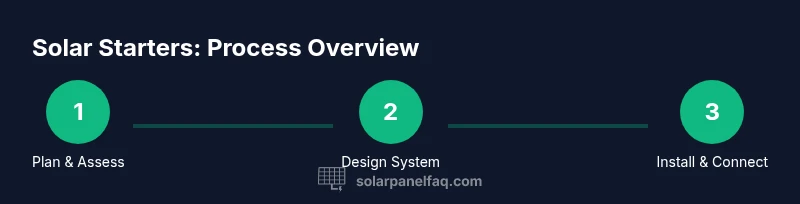
Timeline varies with local permitting, utility interconnection queues, and weather. Typical steps include site assessment, system design, permits, select equipment order, roof/site preparation, installation, inspection, and utility connection. Expect coordination among your installer, electrician, and the utility. Proper permitting prevents future compliance issues and ensures your system operates safely and legally. Planning for a 4- to 8-week window from signing to final inspection helps set realistic expectations.
Maintenance, Performance, and Warranties
Solar panels require minimal maintenance: keep surfaces clean, monitor performance, and inspect for loose mounting hardware periodically. Warranties typically cover panel output (25 years is common) and inverters (often 10–12 years for standard inverters or 20+ for new models). Regular monitoring helps detect performance drops early. Documented maintenance records increase resale value and ensure warranty eligibility if a fault arises. Treat the system as a long-term home upgrade with ongoing oversight.
What to Expect Next: Monitoring, Savings, and Review
After installation, you should monitor production through a dedicated portal or inverter display. Compare actual generation with predicted production to identify issues. Track your bills to verify savings over time, and reevaluate your system after major home changes or price shifts in energy. Regular check-ins help maximize return on investment and keep you aligned with any evolving incentives. The Solar Panel FAQ team emphasizes proactive management to keep performance on track.
Tools & Materials
- Measuring tape(at least 5 meters; measure roof footprint for system size)
- Roof access ladder(safe setup; follow local safety guidelines)
- Safety gear(helmet, gloves, non-slip shoes)
- Current energy bills(prefer 12 months of data)
- Quotes from multiple installers(compare warranties and terms)
- Sun/shade mapping app or notebook(helps document shading across seasons)
- Clipboard or laptop for quotes(organize decisions and calculations)
- Permits and local codes reference(check with local authority)
Steps
Estimated time: 4-8 weeks
- 1
Calculate energy needs
Collect 12 months of electricity bills to determine average daily usage. Convert this to annual energy targets and translate that into a rough system size; factor in future needs like EV charging. This step helps you avoid under- or over-sizing.
Tip: Use a simple bill-analysis worksheet and document peak usage months to anticipate seasonal changes. - 2
Evaluate roof/site conditions
Inspect roof orientation, tilt, shading, and age. Identify available space for panels and consider future access for cleaning and maintenance. Document any obstructions and choose mounting options accordingly.
Tip: Map shade across different times of day and seasons to choose inverter type and panel layout. - 3
Choose system type and components
Decide between grid-tied or off-grid configurations; select inverter type (string vs microinverters) and panel brand. Consider warranties and monitoring options to suit your long-term goals.
Tip: Ask installers for shade analysis and production simulations to validate layout. - 4
Collect installer quotes
Request written proposals from several installers, including system design, warranties, interconnection, and permits. Compare total costs and expected annual production.
Tip: Ask for a side-by-side cost breakdown and a sample maintenance plan. - 5
Check incentives and financing
Identify federal, state, and local incentives and understand financing options such as loans, leases, or PPAs. Evaluate how incentives affect your payback and monthly payments.
Tip: Ask about the timeline for incentive claims and any transferability if you sell the home. - 6
Select installer and schedule installation
Choose the installer who offers clear terms, solid warranties, and good communication. Schedule a kickoff, coordinate with utilities, and prepare for on-roof or ground-mount work.
Tip: Confirm permit approvals, grid interconnection, and access windows with all parties.
Frequently Asked Questions
Do I need to own my home to install solar panels or can I lease?
You can install solar panels as an owner or opt for financing options like leases or PPAs. Leasing or PPA arrangements shift ownership to a third party but still provide solar energy benefits, whereas ownership through purchase or financing maximizes long-term savings.
In most cases, solar can be owned or financed; leases are available if you don't want ownership, with trade-offs in long-term savings.
Is solar worth it in my climate or neighborhood?
Solar viability is influenced by sun exposure, electricity rates, and local incentives. A shaded or high-latitude location can still benefit from modern panel efficiency and storage options, though production will vary.
Solar is often worthwhile in many climates, but be sure to assess exposure and incentives to confirm value.
What maintenance does solar require?
Solar panels require minimal maintenance: keep panels clean, ensure inverters and monitoring systems function, and inspect mounting hardware periodically. Most issues are related to wiring or debris rather than the panels themselves.
Very little maintenance is needed; just keep them clean and monitor performance regularly.
How long does installation usually take?
Typical installation spans several weeks, including site assessment, permitting, equipment procurement, installation, and inspection. Timelines vary by region, permit backlogs, and weather conditions.
Installation can take a few weeks to a couple of months depending on location and permits.
What should I look for in a solar quote?
Look for a detailed breakdown of hardware, labor, permits, warranties, monitoring, and interconnection fees. Compare the projected annual production and the assumed system loss factors.
Ask for a clear, itemized quote with production estimates and warranty details.
Are permits and interconnection required for every installation?
Most solar installations require local permits and utility interconnection approval. Your installer should handle the paperwork, but verify the process and timelines with the municipality and utility.
Permits and interconnection are common; your installer should guide you through the process.
Watch Video
Top Takeaways
- Define energy needs before shopping
- Assess site and roof before equipment
- Investigate incentives and financing early
- Choose a qualified installer with clear warranties