Comprehensive Guide: to buy solar panels
Comprehensive guide for homeowners and buyers on buying solar panels, covering costs, sizing, incentives, financing, warranties, choosing installers, and avoiding common pitfalls. Learn how to evaluate options and maximize savings when you decide to buy solar panels in 2026.


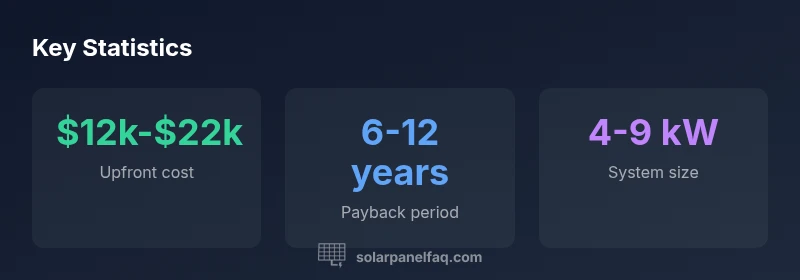
On average, homeowners spend about $12,000-$22,000 to install solar panels, before incentives, for a typical single-family home. The payback period commonly ranges from 6-12 years, depending on location, roof space, energy usage, and system size. Incentives, financing options, and utility rates can substantially affect final cost and timeline. This guide helps you assess when and how to buy solar panels.
Why homeowners choose to buy solar panels
According to Solar Panel FAQ, the decision to buy solar panels usually starts with a desire to reduce electricity bills, gain energy independence, and increase home value. For many homeowners, the question isn’t whether to replace a fossil-fuel source, but when to invest and how to optimize the system. In practice, the choice to buy solar panels is influenced by roof orientation, shade patterns, and the overall energy profile of the household. East- or west-facing roofs can still be viable if the system is sized correctly and if incentives improve the economics. You’ll typically compare proposals from multiple installers, focusing on system size, equipment quality, warranties, and the clarity of the financial case. The reader should keep in mind that this guide focuses on practical decision-making rather than hype or marketing claims. With the right planning, you can confidently decide when to buy solar panels, and how to prioritize features that matter for long-term performance and value.
- Practical note: start from your last 12 months of electricity bills to establish a baseline usage. This helps you set realistic expectations for system size and potential savings.
- Actionable step: create a simple pros-and-cons list for buying now versus delaying, factoring in local incentives and any anticipated rate increases.
Why this matters for homeowners: understanding the economics of the purchase helps you avoid over- or under-sizing, which directly impacts ROI and the overall payoff timeline.
How to size a solar system for your home
Sizing a solar system correctly is essential to maximize savings and avoid overspending. Start with your annual energy consumption from utility bills and translate that into a target system size (in kilowatts, kW) and expected production (in kilowatt-hours, kWh). Use a simple sizing workflow:
- Calculate daily energy usage: sum monthly kWh and divide by 30. 2) Estimate needed system size: daily usage ÷ sun-hours per day (location-specific) × a safety factor. 3) Check roof space and orientation: a typical residential roof can fit 4-9 kW, but shading and roof angle matter. 4) Build in a buffer: plan for future usage from improvements or electric vehicle charging. 5) Compare quotes: ensure the proposed inverter and panel mix aligns with your sizing calculations.
- Common mistakes: oversizing based on peak summer load or underestimating shading impacts. A precise sizing model helps you avoid unnecessary upfront costs while preserving long-term value.
- Quick tip: use a detailed solar calculator or a specialist to create a 25-year production projection, then compare it to your total cost to quantify ROI.
Costs, incentives, and financing options
Cost is the most visible barrier when you begin to buy solar panels, but the total value depends on incentives, financing, and long-term savings. Upfront costs are driven by system size, equipment quality (panels and inverters), installation complexity, and permitting fees. Financing options include cash purchases, solar loans, and leases/PPAs. Each path affects the net cost, payback period, and ownership rights. Cash purchases maximize long-term savings and allow full use of tax credits where eligible. Loans spread the cost over time but add interest; leases/PPAs reduce upfront costs but transfer some financial upside to the provider.
- Net metering and interconnection fees can significantly influence the project’s financials. Be sure to verify how your utility calculates credits and whether there are caps or changes in policy.
- When evaluating quotes, request a clear breakdown for hardware, labor, permitting, interconnection, and any monitoring or warranty extensions. A transparent quote helps you compare apples to apples and avoid surprise charges.
Warranties, reliability, and service
Reliability matters when you buy solar panels, and so do warranty terms. Panels commonly carry 20-25 year performance warranties, with inverter warranties typically 10-12 years. Some installers offer extended labor warranties or performance guarantees for a portion of the system. Read the fine print about what “performance” means—does it guarantee a certain kWh output, or only a relative reduction in degradation over time? If a warranty looks weak, ask for alternatives or negotiate improved terms. Also verify the installer’s credentials, permitting experience, and after-sales service levels. You want assurance that your system will be monitored and maintained over its lifespan, especially as you consider potential future upgrades like battery storage or smart home integration.
How incentives affect total cost and ROI
Incentives reduce the net upfront cost and improve the payback timeline. Federal, state, and utility programs are available in many regions, and eligibility varies by system type and location. The key is to identify which incentives you qualify for before purchasing and to ensure the installer files the correct documentation. In some markets, performance-based incentives or time-of-use credits can influence annual returns as well. A careful assessment of incentives in your jurisdiction can shift a purchase from a break-even project to a strong ROI, potentially shortening the payback period and increasing overall lifetime savings.
- Create a simple incentive checklist: confirm eligibility, note application deadlines, and verify documentation requirements before signing a contract.
- Use your model to estimate post-incentive costs and the net payback period to guide the decision to buy solar panels now versus later.
Choosing the right installer and getting quotes
Selecting the right installer is as important as choosing the right panels. Start with a shortlist of several reputable installers and request written quotes with the same scope of work. Verify credentials, warranties, and project timelines, and ask for references or case studies. Have installers explain their proposed system design, including panel type, inverter brand, and mounting hardware. A reliable installer will provide a thorough site assessment, a transparent price breakdown, and a clear schedule. Make sure to check permits, interconnection applications, and any HOA or local restrictions. Finally, compare the long-term value of each proposal beyond the sticker price, including warranty coverage and maintenance expectations.
Practical pitfalls and myths to avoid
There are several common myths that can distort the decision to buy solar panels. Some homeowners assume solar panels are unfeasible on shaded or north-facing roofs; in practice, system sizing and optimization can still yield meaningful savings. Others believe all incentives are permanent; policies evolve, so a plan should account for possible changes. Finally, some buyers think bigger is always better. In reality, the optimal system balances upfront investment with energy usage, roof space, and local rates. A thoughtful approach ensures you don’t overpay or overcommit to a system that won’t fit your needs.
- Always base sizing on long-term energy usage rather than seasonal peaks.
- Avoid aggressive upsells on monitoring, batteries, or add-ons that don’t align with your home’s needs.
- Confirm the total cost of ownership, including maintenance and inverter replacement, to prevent hidden surprises later.
Final planning steps before signing a contract
Before you sign, perform a final check of the contract: confirm the total installed cost, the exact equipment list (panels, inverters, racking), and the expected installation timeline. Ensure the contract includes a detailed warranty outline, performance guarantees, maintenance expectations, and a clear cancellation policy. Verify grid interconnection and net metering terms as well as any potential extra charges, such as tree trimming, roof repair, or site cleanup. Finally, document all communications and store quotes for comparison. If possible, obtain a post-installation performance projection and a 1-2 year maintenance plan to ensure you’re fully prepared to buy solar panels with confidence.
Typical residential solar system ranges
| Component | Typical range | Notes |
|---|---|---|
| Upfront cost (before incentives) | $12,000-$22,000 | Depends on system size and roof type |
| Payback period | 6-12 years | Influenced by incentives and utility rates |
| System size (kW) | 4-9 kW | Common residential range |
| Warranty (panels/inverters) | 20-25 / 10-12 years | Compare coverage and service |
Frequently Asked Questions
How much does it cost to buy solar panels?
Costs vary widely by system size and location; typical upfront ranges are $12,000-$22,000 before incentives. Always request multiple quotes and review the breakdown of hardware, labor, and interconnection fees.
Costs vary based on system size and location. Expect roughly $12,000 to $22,000 before incentives, with quotes from multiple installers.
What incentives reduce the net cost?
Federal, state, and local incentives can significantly reduce net cost. Eligibility depends on your location and system type; review available programs and ensure proper documentation during installation.
There are federal and local incentives that can cut your net cost; check eligibility with your installer.
How long is the payback period?
Payback typically ranges from 6 to 12 years, depending on energy usage, local rates, and incentives. A good installer can model this with a personalized projection.
Expect a 6 to 12-year payback depending on usage and incentives.
What warranty should I look for?
Look for 20-25 year panel warranties and 10-12 year inverter warranties, plus labor coverage. Verify performance guarantees in the contract.
Choose panels with 20-25 year warranties and inverters with 10-12 years.
Should I buy or lease solar panels?
Buying generally delivers better long-term value and ROI, while leases/PPAs offer lower upfront costs but transfer some financial upside to the provider.
Buying usually yields better long-term value; leases may have trade-offs.
What maintenance is required?
Solar panels require minimal maintenance. Regular cleaning in dusty or leafy areas and routine inverter checks can help sustain performance.
Panels need little maintenance; keep them clean and monitor the inverter.
“Thorough planning and correct system sizing prevent over-investment while maximizing returns.”
Top Takeaways
- Budget for upfront costs and incentives
- Size the system to match energy usage
- Compare quotes with warranties and service
- Account for permitting and interconnection
- Plan for long-term maintenance