Your Solar Panel Plan: A Practical Step-by-Step Guide
Learn how to craft a practical solar panel plan for your home—covering energy goals, roof suitability, system sizing, permits, and installation safety to optimize efficiency and savings.


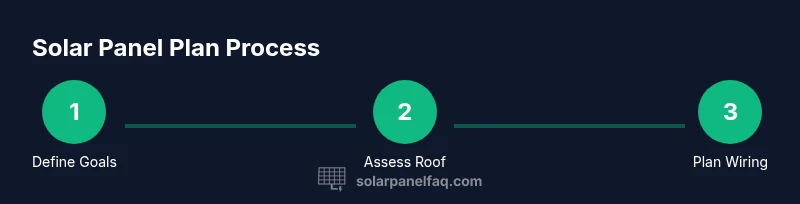
Goal: Build a comprehensive solar panel plan for your home that guides energy goals, roof suitability, equipment sizing, permits, and a safe installation path. Before you start, gather past utility bills, roof measurements, and local code requirements. This plan informs sizing, financing, and scheduling for optimal performance. It also helps set realistic timelines and expectations.
Why a Solid Solar Panel Plan Matters
According to Solar Panel FAQ, a well-documented solar panel plan reduces surprises, keeps projects within code, and helps homeowners quantify savings before a single panel is mounted. A formal plan also serves as a communication tool among you, your installer, and the utility. Without a plan, you risk undersizing or oversizing the system, missing rebates, and facing delays that erode expected payback. The right plan aligns energy goals with roof reality, local regulations, and budget constraints, turning a dream into a tangible, safe, and efficient installation.
In practice, a solid plan answers three core questions: what you want to power, what your roof can support, and how much you’re willing to invest. Use a simple worksheet to map monthly usage against available sun hours, then translate that into a target system size and storage strategy if you’re considering a battery solution. This groundwork lowers risk and clarifies decision points for everyone involved.
By documenting goals early, you create a traceable path from assessment to interconnection approval. You’ll also have a baseline to compare actual performance once the system is live. A thoughtful solar panel plan isn’t just about hardware—it’s about aligning physics, finance, and lifestyle so you can enjoy reliable, cleaner energy for years to come.
Assessing Roof and Energy Needs
Assessing roof and energy needs is the foundation of any successful solar plan. Start by examining roof orientation, tilt, shading from trees or nearby structures, and durability. Even modest shading can affect performance, so document peak sun hours for each season and identify potential mitigation strategies, such as trimming branches or selecting microinverters. On the energy side, collect a full year of electric bills to establish typical usage and peak demand periods. If your goal is to maximize daytime self-consumption or to prepare for future electrification (e.g., EV charging), note these aspirations in the plan. The more precise your roof and consumption data, the more accurate your sizing and layout will be.
Consider roof safety and access: do you have safe access for equipment installation, and is there a ready path for cable routing? If your roof is shaded or cluttered, you may need a hybrid approach or different mounting options. Finally, create a simple baseline projection of expected annual production to compare against utility bills and potential savings. This helps validate the plan’s assumptions before moving forward.
Sizing the System and Storage Needs
Sizing a solar system involves translating energy goals into a target system size and storage plan. Start with a household’s annual electricity usage, then convert that into a target production number, factoring in solar production variability by season. Choose panels with good efficiency and balance them with an appropriately sized inverter to ensure the system can handle peak loads without clipping. If you’re considering storage, outline how many kilowatt-hours of battery capacity you’d like to add to smooth daytime overproduction, support outages, or maximize self-consumption. Storage changes the economics and adds safety considerations, so include it only if you have a clear use case and adequate space for batteries.
Document the expected performance under different weather scenarios and include a plan for future expansion, such as adding more panels or upgrading the inverter. A well-sized system minimizes overinvestment while still meeting energy goals, and it reduces the need for costly future retrofits. Finally, summarize the sizing assumptions and provide a simple worksheet so installers can validate against real-world measurements.
Financing and Pricing: Costs and Savings
Financing and pricing are central to a practical solar plan. Start by outlining upfront costs, ongoing maintenance, and expected savings over time. Use conservative estimates and include a range for key variables such as panel efficiency, installation complexity, and permitting timelines. Many homeowners combine incentives, rebates, and financing options to reduce the upfront burden; document eligible programs in your plan and the anticipated timelines for application and approval. A thorough plan should also quantify payback horizon using a clear, realistic formula that compares total costs to projected energy savings. Keep in mind that while solar equipment prices have fallen over time, labor, permits, and interconnection fees still influence overall economics.
Track potential changes in electricity rates and how they impact your payback. The plan should also outline contingency budgeting for unexpected costs, like structural repairs or permit delays. By presenting a transparent financial picture, you’ll be better prepared to choose between purchase, loan, or lease options without compromising the system’s value or your budget.
This section should clearly show how incentives and tax credits affect your net cost, including any regional or utility-specific programs. When in doubt, run multiple scenarios to understand best-case, base-case, and worst-case outcomes.
Equipment Selection: Panels, Inverters, and Warranties
The equipment you choose defines long-term performance and reliability. Start with a curated set of high-quality solar panels with proven degradation curves and favorable warranties. Pair panels with an appropriately sized inverter—string inverters are common for straightforward roofs, while microinverters or power optimizers can mitigate shading. Document warranty terms for both panels and the inverter, noting coverage periods and required maintenance to keep eligibility intact. Also consider racking systems, junction boxes, and disconnects that comply with local codes. A well-chosen package reduces maintenance headaches and ensures optimal performance across the system’s life.
Include any anticipated upgrades, such as adding more panels or switching to a larger inverter in the future. Add a brief cost-benefit note for each major component to justify your choices to other decision-makers. Finally, align equipment choices with your roof type, climate, and installation logistics to minimize surprises during the install.
In the plan, present a simple comparison table for at least two equipment sets so you can justify your preferred configuration to installers and utility reviewers.
Permits, Interconnection, and Inspection Steps
Permits and interconnection processes are a critical, frequently overlooked part of solar planning. Begin by listing required permits, including building, electrical, and any local zoning approvals. Document the expected timelines and who is responsible for submitting each application. Interconnection with the utility typically requires an application and a system interconnection agreement; include steps, contact information, and any required forms in your plan. After installation, a final inspection ensures compliance with electrical codes and safety standards; schedule this ahead of time and allocate time for re-inspections if needed.
Maintaining a clear record of permit progress helps avoid delays and ensures you have ready access to documentation for future property transactions. The plan should also specify responsible parties, such as the installer or local authority, and include a checklist to verify that all permits and inspections are complete before operation. This proactive approach can dramatically reduce the risk of unexpected delays and compliance issues.
Keep a calendar or project timeline with key permit milestones, expected review times, and follow-up appointments to ensure a smooth path from planning to operation.
Design and Electrical Layout: Wiring Routes and Safety
A well-designed electrical layout is essential for a safe, compliant installation. Map out wire routes, conduit access, and the location of disconnects and combiner boxes. Align the layout with building codes and utility guidelines, ensuring that all conductors are sized appropriately for anticipated currents. Incorporate safe grounding practices and ensure that panels have proper clearances for future maintenance. If your roof layout includes multiple elevations or shading zones, plan for microinverters or optimizers to maximize production where needed.
Coordinate with the roof and electrical trades to confirm alignments, such as where to route cables through rafters or attic spaces. Document any required trenching or conduit work and estimate associated costs. A thoughtful layout reduces material waste and makes the installation process safer and more efficient for technicians.
Include a rough schematic diagram in the plan so installers can quickly understand the intended configuration and verify it against site measurements.
Installation Planning and Safety Considerations
This section covers the practical steps of turning the plan into reality. Create a detailed installation schedule that identifies critical path activities, including roof preparation, mounting hardware installation, wiring, inverter setup, and system testing. Emphasize safety: confirm fall protection, ensure proper ladder and roof access, and verify electrical isolation before work begins. If you’re working with a contractor, include a clear communication plan, daily check-ins, and a formal handover process for commissioning the system.
Determine whether a temporary power shut-off is required and prepare a shutdown plan with all relevant safety procedures. Keep a safety brief for every crew member and ensure protective gear is used consistently. A well-documented installation plan minimizes on-site confusion, protects workers, and helps ensure a faster, smoother project completion.
Monitoring, Maintenance, and Performance Optimization
After the system is live, monitoring is essential to ensure continued performance. The plan should specify the monitoring platform (web portal or mobile app), key performance indicators (production vs. forecast, system availability, and degradation rate), and a schedule for routine maintenance. Budget for periodic cleaning, visual inspections, and software updates for inverters and monitoring tools. Outline actions for underperforming modules or shading issues, including potential maintenance tasks or targeted reconfiguration.
Simulate seasonal performance to anticipate how production may shift with weather, daylight length, and temperature. Document how to respond to elevated DC voltages or unusual production dips, including a step-by-step escalation path. Over time, you’ll refine the plan, capture lessons learned, and improve the accuracy of future projections by comparing predicted results to actual performance.
A strong maintenance plan helps protect your investment and keeps the system performing at or near its theoretical maximum.
Common Pitfalls and How to Avoid Them
Even well-intentioned plans can stumble on predictable roadblocks. The most common issues include underestimating roof constraints, overlooking shading impacts, and neglecting a robust permitting plan. Avoid these by conducting thorough site surveys, using shading analysis tools, and starting permit applications early in the project timeline. Don’t overlook the financial side, either: underestimate installation costs, financing charges, and interconnection fees. A robust plan includes contingency estimates to handle these risks without derailing the project.
Be mindful of warranty terms and service agreements, as miscommunications can invalidate coverage when issues arise. Finally, maintain clear, written communication with installers, the utility, and any subcontractors. A well-documented plan reduces miscommunication and keeps everyone aligned on scope, schedule, and responsibilities. Always verify alignment with local codes and utility requirements before signing contracts.
Case Study: Home Solar Panel Plan Example
This section presents a hypothetical but plausible example that mirrors many homeowners’ journeys. It outlines a typical energy profile, roof characteristics, equipment choices, and a financing path. While the specifics vary, the general flow remains the same: assess energy goals, validate roof suitability, size the system, secure permits, schedule installation, and monitor performance. The goal is to illustrate how the plan translates into real-world decisions and tangible outcomes.
By following a structured plan, homeowners can reduce uncertainties, simplify approvals, and accelerate the path to clean energy. You’ll see how each section of the plan ties into actual steps on the job site, from weather considerations to interconnection paperwork, ultimately delivering a reliable, cost-effective solar solution.
Authority Sources
When crafting a solar panel plan, rely on credible, up-to-date sources. Government and university resources offer independent, evidence-based guidance that can improve planning accuracy and compliance. For instance, Energy.gov provides official guidance on solar readiness and interconnection processes, while the National Renewable Energy Laboratory (NREL) offers technical analyses and performance data that help benchmark expected production. Cross-check plans with utility requirements and local permitting offices to avoid surprises.
Next Steps and Resources
With your solar panel plan in place, you’re ready to engage installers, apply for incentives, and schedule the actual installation. Use the plan as a living document: update it with new data from energy bills, changes in household needs, or improvements in technology. Keep a dedicated folder with permits, warranties, and commissioning reports for future reference. Finally, revisit your energy goals annually to maximize savings and adapt to evolving circumstances.
Tools & Materials
- Safety gear (hard hat, gloves, eye protection)(Essential for all rooftop work and electrical tasks.)
- Fall protection and harness+anchor points(Required for elevated work; verify anchor points are secure.)
- Roof measurement tools (measuring tape, inclinometer)(Accurate measurements reduce misfit and waste.)
- Roof access equipment (ladder, ropes)(Safe access required for all installations.)
- Electrical diagram or plan documents(Helps route wiring and comply with codes.)
- Mounting rails, racking hardware, and fasteners(Choose compatible hardware for roof type.)
- Inverter and panel selection documentation(Includes model specs, warranties, and efficiency.)
- Drill/driver, wrenches, screwdriver set(For mounting hardware and electrical connections.)
- Weatherproof sealant and caulk(Optional, for weatherproofing penetrations.)
Steps
Estimated time: 2-3 days
- 1
Define energy goals and baseline consumption
Identify current energy needs by reviewing at least a 12-month bill history. Set targets for what you want to offset with solar (e.g., daytime usage, annual consumption). Document budget, desired payback, and any future electricity needs like EV charging. A clear goal helps choose system size and storage strategy. A baseline proves the plan’s direction and helps you measure success.
Tip: Bring a copy of last year’s bills and a rough daily usage pattern to the planning session. - 2
Assess roof exposure and shading
Evaluate roof orientation, tilt, and shading throughout the day and year. Note any trees or structures that may cast shadows. If shading is significant, plan for microinverters or power optimizers to maximize production in shaded zones. A shaded patch can dramatically affect output, so document the worst-case scenario for the plan.
Tip: Use sun-path diagrams or solar software to quantify shading impact. - 3
Size the system and storage needs
Translate energy goals into a target system size and storage plan. Consider future growth, such as a larger home or EVs. Ensure inverter capacity matches panel count and desired battery capacity if storage is included. A conservative margin helps maintain performance even as components age.
Tip: Aim for a conservative sizing margin to account for aging and weather variability. - 4
Select equipment and warranty terms
Choose panels with good performance and strong warranties, along with an inverter suited to your roof configuration. Record warranty coverage, maintenance requirements, and expected degradation. Also consider racking, junction boxes, and safety disconnects that meet local codes. Document the rationale for each choice to justify it to reviewers.
Tip: Prefer components with solid long-term warranties and documented performance data. - 5
Plan electrical layout and interconnection
Draft wire routing, disconnects, and combiner boxes. Ensure cables and conduits comply with local codes and utility interconnection rules. Include a simple schematic in the plan and coordinate with the installer during final design reviews.
Tip: Coordinate with your installer to confirm feasibility before ordering materials. - 6
Prepare permits and approvals
List required permits (building, electrical) and submission steps. Estimate approval timelines and identify who submits each form. Keep copies of all documents for the final interconnection. Proactivity here reduces delays and friction with the utility.
Tip: Start permit applications early to avoid project delays. - 7
Schedule installation and commissioning
Create a project timeline with critical milestones: product delivery, site prep, mounting, wiring, inverter setup, and commissioning. Confirm coordination with the utility for interconnection. Include buffer time for weather and inspections.
Tip: Build in buffer time for weather and inspections.
Frequently Asked Questions
What should be included in a solar panel plan?
A solid plan covers energy goals, roof suitability, system sizing, equipment options, permits, interconnection, installation steps, and a maintenance and monitoring strategy.
A solid solar plan includes goals, roof check, sizing, equipment choices, permits, interconnection, and a maintenance plan.
Do I need a professional installation?
For safety and code compliance, especially on pitched roofs or complex layouts, a professional installation is recommended. They can ensure correct mounting, wiring, and interconnection.
A professional installer is usually recommended for safety and code compliance.
How long does the planning process take?
Planning time varies with roof complexity, permit processing, and utility interconnection. In typical cases, you should budget weeks rather than days for a thorough, compliant plan.
Planning can take weeks depending on permits and roof complexity.
What about warranties and maintenance?
Check panel and inverter warranties, and plan for periodic maintenance, cleaning, and software updates. A well-documented plan helps you track when service is due and what’s covered.
Warranties matter; maintenance should be scheduled and tracked.
Can a solar panel plan increase home value?
A well-prepared solar plan can increase home appeal by certifying energy savings potential, though actual value varies by market and system performance.
A good solar plan can improve home value by showing energy savings potential.
Watch Video
Top Takeaways
- Define clear energy goals first
- Assess roof/shading before sizing
- Prioritize safe installation planning
- Record warranties and permits
- Monitor performance after commissioning