Solar Panel Installation at Home: Step-by-Step Guide
Learn how to plan, size, obtain permits, and install solar panels on a home roof with safety, compliance, and long-term savings in mind.


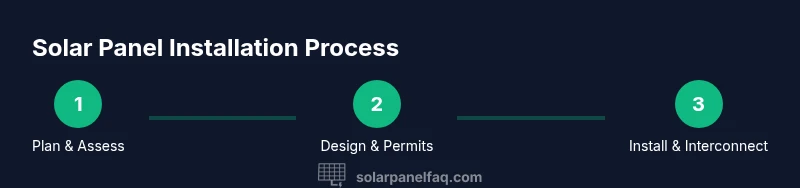
Learn how to plan and execute a safe, code-compliant solar panel installation at home. This guide covers site assessment, system sizing, permitting basics, equipment choices, and the major steps to complete a residential installation. By following these steps, you’ll understand the process, manage risks, and prepare for interconnection with your utility. According to Solar Panel FAQ, a thoughtful planning phase reduces surprises and helps you maximize long-term performance.
Planning and site assessment
Planning and site assessment form the foundation of a successful Home solar installation. Start by documenting your energy goals—whether you want to offset most or all of your energy use, or simply reduce your monthly bills. Conduct a quick energy audit by examining past electric bills and noting seasonal variations. Assess your roof’s orientation and shading; a south-facing slope with minimal shading typically yields the best results, though modern designs can work well with east/west orientations too. Check roof condition and structural integrity; if shingles are worn or sheathing is compromised, repair first to avoid costly fixes after panel installation. Installers often use simple tools like a sun path diagram and shade analysis apps to quantify roof exposure. Solar Panel FAQ analysis shows that a meticulous site assessment lowers installation risk and helps optimize energy capture. Finally, verify electrical service capacity and plan a desired interconnection method with your utility provider.
System sizing and energy goals
Sizing determines how much of your energy use you want to cover with solar. Rather than chasing an exact panel count, focus on balancing roof space, budget, and realistic production targets. Gather your electricity bills for the last 12 months to understand seasonal usage and peak demand periods. Consider whether you want to include storage or a backup solution for outages in your plan. An efficient design emphasizes quality over quantity: higher-efficiency modules can reduce roof area needs, and modern inverters help convert DC to AC reliably. Keep in mind that local incentives, equipment warranties, and utility interconnection rules influence the final size. Your goal should be a system that delivers meaningful savings over time, while maintaining a comfortable margin for future energy needs. This planning stage sets the stage for a smoother installation and better long-term performance.
Permitting, codes, and interconnection
Permitting and code compliance are crucial to a legal, safe installation. Most jurisdictions require building and electrical permits, and many utilities require a formal interconnection agreement or net metering setup. Check with your local building department early to understand required forms, inspections, and any HOA rules that might apply. A thorough plan—detailing racking layout, conductor sizing, disconnect locations, and grounding methods—helps speed approvals. Solar Panel FAQ emphasizes keeping permits up to date and preserving documentation for warranty eligibility and resale. In parallel, prepare the required documentation for interconnection: utility forms, system description, and an approved electrical diagram. Budget time for potential permit review delays and scheduling inspections; early planning reduces the risk of delays during the installation window.
System components and technology choices
Choosing the right components matters as much as the install itself. Panels come in various efficiencies and warranties; higher-efficiency modules often perform better in tight spaces or partial shade. Inverter technology affects energy harvest and monitoring: string inverters are common, microinverters optimize each panel individually, and hybrid options integrate storage. Mounting hardware should suit your roof type (shingle, metal, or flat) and withstand local wind loads. Wire management, conduit routing, and appropriate weatherproof junction boxes are essential for durability. Some homeowners add a battery storage system for backup power, while others stay grid-tied with simple net metering. Discuss anti-reflective coatings, temperature coefficients, and degradation rates with your installer to set realistic expectations for long-term output. The Solar Panel FAQ Team recommends verifying warranty terms and service commitments before purchase.
Installation day: sequence and safety
On installation day, expect a carefully choreographed sequence: prepare the site, install racking, mount panels, connect wiring, and finalize interconnection with the utility. Solar panels are installed on the roof and secured with flashing to prevent leaks. Electrical connections should be made by a licensed electrician or a certified solar installer, following NEC or local codes. Use fall protection equipment, non-slip boots, and proper harnesses for rooftop work. Keep a clean workspace to prevent dropped tools and ensure panel handling minimizes micro-cracks. After mounting, panels should be tested for DC continuity, insulation resistance, and string/array voltage checks. The grid interconnection should be tested and verified by the utility inspector. Expect some waiting time for inspections and meter changes, which the installer can coordinate on your behalf.
Interconnection, testing, and commissioning
Interconnection with the grid requires to-the-point coordination with the utility company and local inspectors. A successful interconnection ensures you can feed excess energy back to the grid (net metering) and receive credits on your bill. Commissioning includes real-time monitoring configuration and verifying that production aligns with expectations. If you opted for energy storage, you’ll coordinate with the battery controller, inverter modes, and safety checks. Finally, document all performance data, warranty paperwork, and maintenance schedules to simplify future ownership. The Solar Panel FAQ Team highlights that clear documentation improves claim handling and resale value, reinforcing confidence in your investment. Track your system’s performance over the first weeks to catch anomalies early.
Maintenance, warranties, and long-term costs
Maintaining a solar installation is modest but important. Regularly clean panels to remove dust, pollen, and debris; use a soft brush or squeegee with water to avoid scratches. Inspect mounting hardware for signs of corrosion or loose fasteners, especially after severe weather. Monitor the inverter and monitoring app to catch drops in output and verify that production matches expectations for the season. Warranties typically cover defects in panels and inverters for a set period; extended warranties may be available but come at a higher price. Budget for occasional component replacements (inverter or battery) and periodic performance checks. Costs over time typically balance with energy savings achieved through reliable operation and consistent output.
Financing, incentives, and ROI
Understanding financing options and incentives can dramatically affect the economics of a home solar installation. Federal, state, and local programs may reduce upfront costs or offer performance-based incentives. Some utilities provide favorable interconnection terms or time-of-use rate credits that improve payback. Financing options range from cash purchases to solar leases or power purchase agreements (PPAs), each with different ownership rights and tax implications. The best choice depends on your cash flow, long-term plans for the home, and appetite for ownership. Always compare offers side-by-side and verify warranty coverage and maintenance responsibilities. Solar Panel FAQ analysis shows that informed buyers who leverage incentives tend to realize greater long-term savings and higher system reliability. For further reading, check official sources such as energy.gov and nrel.gov for up-to-date incentive programs and safety standards.
Tools & Materials
- Solar panels (PV modules)(Choose based on efficiency, warranty, and space on the roof)
- Racking and mounting system(Roof-compatible rails or ground-mount hardware)
- Inverter (string, microinverters, or hybrid)(Select based on system design and shading)
- DC disconnect switch and AC disconnect(Required safety devices per code)
- Conduit, wiring, MC4 connectors(Outdoor-rated, code-compliant wiring)
- Junction boxes and combiner boxes(Sealed enclosures for weather protection)
- Grounding equipment and fasteners(Follow local grounding rules)
- Safety gear (harness, helmet, gloves, non-slip boots)(Fall protection and PPE are essential)
- Utility interconnection documents(Prepare forms, schematics, and permits)
- Monitoring system or app(Helps track performance and detect issues)
Steps
Estimated time: Estimated total time: 2-6 weeks (permits and inspections included)
- 1
Assess roof suitability and energy goals
Inspect roof condition and structure. Review past energy use to set realistic goals. Check shading and orientation on a typical day. Decide whether you want storage and backup power. Gather all relevant permits early.
Tip: Document any roof repairs or replacements needed before starting. - 2
Size the system based on energy needs
Use 12 months of utility data to estimate annual production and determine target coverage. Consider shading and roof area to choose panel count and tilt. Decide if you want to include a battery or rely on grid-tied net metering.
Tip: Prioritize quality modules and inverters over chasing a larger, cheaper array. - 3
Check electrical service and permits
Confirm service capacity and entry points to the home electrical panel. Identify required electrical and building permits and any HOA approvals. Plan the interconnection method and required diagrams.
Tip: Ask the utility about net metering rules and inspection timelines. - 4
Obtain quotes and schedule installation
Request detailed quotes from licensed installers and compare equipment, warranties, and labor terms. Schedule a mutually convenient installation window and confirm permit readiness.
Tip: Get a written contract with clear scope, timeline, and warranty coverage. - 5
Prepare mounting and electrical layout
Coordinate panel placement, wire routing, and disconnect locations. Ensure roof penetrations are sealed and fasteners are corrosion-resistant. Create a clear plan to minimize roof load and water intrusion.
Tip: Mark all visible penetrations and inspect flashings before mounting. - 6
Mount racking and attach modules
Install racking per manufacturer specs and securely fasten modules to the rail system. Maintain proper spacing and seal all penetrations. Align arrays for optimal sun exposure.
Tip: Work methodically to avoid panel damage; never step on exposed glass edges. - 7
Connect wiring and install the inverter
Route DC wiring to the combiner or inverter, connect the array, and set up the inverter. Verify grounding and insulation, then perform DC to AC conversion checks.
Tip: Double-check connector polarity and keep wiring tidy to reduce heat buildup. - 8
Interconnect with the utility and commission
Coordinate interconnection approval and meter change with the utility. Run performance tests and configure monitoring. Complete inspections and obtain the final approvals.
Tip: Keep all documentation handy for warranty and resale.
Frequently Asked Questions
Do I need permits for solar panel installation home?
Most jurisdictions require electrical and roofing permits, plus interconnection approval with the utility. Check with your local building department for specifics.
Yes, permits are usually required.
Is DIY solar panel installation safe or recommended?
Mounting panels on the roof can be done by a capable DIYer, but electrical work and interconnection typically require a licensed professional. Safety and code compliance are the primary reasons to hire a pro.
DIY can be risky; hiring a pro is recommended.
How long does a residential installation take?
Timing varies with permits, weather, and interconnection. The on-site work generally spans a day or two for installation, with additional time for inspections and approvals.
It varies, but expect some weeks overall for permits and inspections.
What incentives might reduce the cost?
Incentives vary by location. Look into federal and state programs, utility credits, and any local rebates. An installer can help identify current opportunities.
Incentives vary by area; check government and utility programs.
Will solar panels work during a power outage?
Most grid-tied systems without storage do not supply power during outages. A battery storage or hybrid system can provide backup power but adds cost.
Grid-tied systems usually don’t provide power in outages without storage.
How should I choose between a string inverter and microinverters?
String inverters are common and cost-effective but can be less tolerant to shading. Microinverters optimize each panel independently, which helps in partially shaded conditions.
Microinverters can be better in shade; string inverters are usually cheaper.
Watch Video
Top Takeaways
- Plan first, then size to energy needs.
- Hire licensed installers for safety and compliance.
- Secure written warranties and monitor performance.
- Understand permits and interconnection early.