Solar Panel Installation in Los Angeles: A Complete How-To Guide
Learn how to plan, permit, and install solar panels in Los Angeles with step-by-step guidance, local incentives, and safety tips from Solar Panel FAQ.


This guide helps homeowners plan and execute solar panel installation in Los Angeles, covering sizing, permits, and safety. You'll learn how to choose equipment, navigate permits, and connect with the utility for net metering. Expect practical, step-by-step guidance grounded in local codes and incentives. This article follows the Solar Panel FAQ approach, including checklists and timing to help you decide next steps.
Why solar panel installation los angeles: regulatory landscape and local incentives
According to Solar Panel FAQ, homes in Los Angeles face a regulatory landscape shaped by city building codes, utility interconnection rules, and HOA guidelines. Before you mount panels, you’ll want to confirm roof condition, structural load, and accessibility for maintenance. The city and county require proper permitting and an electrical inspection, and interconnection agreements with the local utility determine how you credit excess energy. On the upside, federal solar incentives remain a major driver for cost recovery, and local programs may offer additional rebates or performance-based incentives. Solar Panel FAQ analysis shows that many LA-area homeowners achieve meaningful energy bill reductions after installation, especially when panels are oriented for optimal sun exposure and shading is minimized. Keep in mind that LA’s year-round sun makes a well-designed system particularly valuable, but the hot summer months can affect performance if cooling and panel temperatures aren’t managed. The Solar Panel FAQ team emphasizes working with a licensed installer to navigate city-specific requirements and avoid common delays.
Assessing your home for solar in LA
To maximize production in Los Angeles, start with your energy usage history. Gather at least 12 months of utility bills to identify peaks and average daily kWh. Survey your roof for sun exposure: south-facing surfaces usually perform best, while shading from trees or nearby structures reduces output. Check HOA covenants and local building codes, as some communities require approvals or specific mounting rules. Finally, inspect your roof’s age and condition; if the roof is near replacement, coordinate panel installation with the re-roof to avoid costly rework. Solar Panel FAQ notes that proper site assessment reduces surprises during permitting and ensures a smoother interconnection with the local utility.
Sizing and design considerations for Los Angeles homes
System sizing balances current energy use with future needs and budget. Start by calculating daily energy consumption from your bills and comparing it with typical solar production in your roof orientation. In a sunny city like Los Angeles, even modest roof space can produce significant energy if panels are high-efficiency and well-tilt. Consider optional battery storage for peak-demand times or backup power, especially if you rely on critical loads. Discuss shade mitigation and panel layout with your installer, who can optimize module counts, inverter type, and wiring to minimize losses. Remember to design for expansions or future EV charging if planned. The right design yields more consistent production across seasons and weather.
Permitting, interconnection, and choosing a contractor in LA
LA installations require formal permits from city or county authorities and a final electrical inspection. Your licensed installer should handle permit submittals, plan reviews, and interconnection paperwork with the utility for net metering. Ask about interconnection timelines and any required outage windows. Vet potential contractors by checking licenses, references, and warranty terms. Get a written statement of work, a breakdown of duties, and a clear schedule. A reputable firm will coordinate with the utility, manage inspections, and ensure code-compliant wiring and safe roof mounting.
Equipment choices: panels, inverters, and mounting
Panel type matters for efficiency and heat tolerance; most California homes favor monocrystalline modules for space efficiency. Inverters come in string, central, or microinverter formats; microinverters improve shaded performance and simplify expansion, while string inverters are often more economical for large arrays. Mounting options include roof-integrated racking or ground mounting for larger properties. Talk through warranty lengths, degradation rates, and service options with your installer. Any choice should align with roof type (shingle, tile, or metal) and mounting feasibility in LA’s climate.
Installation timeline and common pitfalls
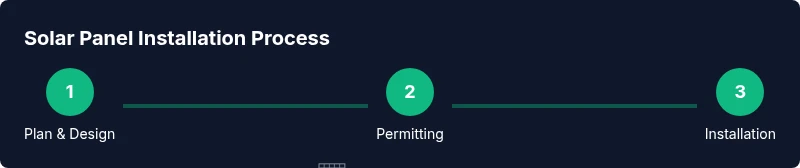
Installation typically follows a design and permitting phase with the physical mounting and electrical connections. Expect a sequence: site preparation, racking installation, module mounting, wiring, inverter placement, and safety interlocks. Common pitfalls include underestimating roof access, ignoring shading, or neglecting proper conduit routing. A proactive plan with a licensed installer helps avoid delays from weather, permit backlogs, or utility interconnection reviews. In Los Angeles, late-spring and fall can offer smoother permit processing, but always plan for inspection windows and potential rework.
Maintenance, warranties, and long-term planning
Solar systems require minimal routine maintenance, but cleaning dust and debris from panels can help sustain performance. Inspect rails and mounts annually and watch for corrosion in coastal air or high-sun exposures. Monitor performance via the inverter display or a monitoring app; unusual drops may indicate shading changes or equipment aging. Warranties vary by panel and inverter; keep records of installation, serial numbers, and service visits. With proper maintenance, most systems deliver reliable energy for decades, a key consideration for long-term home value.
Accessing incentives and financing options
Federal solar incentives help improve return on investment, with credits typically tied to installation year. LA-area residents should also explore local programs, utility rate structures, and financing options such as loans or solar leases. Your installer can help compare cash purchase versus financing and explain payback timelines, even if incentives change year to year. Keep documentation ready for tax credits and interconnection agreements, and stay informed about program updates from federal and state agencies.
Final planning checklist and next steps
Before signing a contract, review site access, permit responsibilities, and the warranty coverage. Confirm that the installer will handle interconnection with the utility and schedule inspections. Prepare the home for installation day by clearing the roof and ensuring safe access. After activation, monitor performance and schedule annual checks. For LA homeowners, proactive planning minimizes downtime and maximizes the return on investment.
Tools & Materials
- Licensed solar installer(California-licensed; experience with LA codes and permit process)
- Site plan and permit documents(Prepared with the installer; required by city authorities)
- Roof survey tools (inclinometer, measuring tape)(Accurate roof pitch and dimensions for layout)
- Roof access equipment (ladder, fall protection)(Ensure safe access during installation)
- Mounting rails and racking hardware(Choose compatible with roof type (shingle/tile/metal))
- PV modules (solar panels)(Select based on efficiency and warranty terms)
- DC/AC inverter(s)(Choose type (string or microinverters) based on shading and layout)
- Conduit, wiring, and disconnects(Meet electrical code and interconnection requirements)
- Safety gear (gloves, helmet, harness)(Follow OSHA and local safety standards)
- Utility interconnection agreement(Needed for net metering and system activation)
Steps
Estimated time: 2-3 weeks
- 1
Define energy goals and budget
Identify how much of your electricity use you want to offset and set a realistic budget considering labor, equipment, and permitting costs. This initial step guides equipment selection and system size.
Tip: Gather last 12 months of utility bills to anchor your target production. - 2
Audit energy usage and roof suitability
Analyze bills for daily usage and examine roof orientation, shade patterns, and space. Ensure the roof is structurally sound or plan for a roof replacement in coordination with installation.
Tip: Take notes on shading from trees or nearby structures at peak sun hours. - 3
Design the system and select equipment
Work with your installer to choose panel types, inverter configuration, and mounting method. Balance efficiency, cost, and future needs such as EV charging or storage.
Tip: Ask for performance simulations and production estimates for different layouts. - 4
Obtain permits and arrange interconnection
Submit plans to the city or county, secure electrical permits, and coordinate with the utility for interconnection and net metering.
Tip: Maintain a clear schedule and request status updates from your contractor. - 5
Install with licensed professional
Have the system physically mounted, wired, and inspected by the licensed installer. Ensure all safety protocols and code requirements are followed.
Tip: Ensure proper labeling and shut-off locations are accessible. - 6
Schedule inspection and energize the system
Complete the final electrical inspection, obtain approval, and flip the system online. Begin monitoring performance and verify production matches estimates.
Tip: Keep warranty documents and interconnection paperwork organized.
Frequently Asked Questions
Do I need a permit to install solar panels in Los Angeles?
Yes. Most residential solar installs require city or county permits and a final electrical inspection. Your installer typically handles the permit submittal and interconnection paperwork with the utility to activate net metering.
Yes. Permits and a final inspection are usually required; your installer will manage the process for interconnection.
Can I install solar panels myself in California?
California generally requires a licensed contractor for residential solar installations. DIY is not recommended or allowed for most residential projects due to electrical, fire, and safety codes.
Most homes require a licensed installer; DIY is not recommended due to safety and code issues.
What incentives are available for LA homeowners?
Federal solar incentives apply and local programs or utility rate structures may offer additional benefits. Incentives can change year to year, so consult your installer for the latest options.
There are federal incentives and local programs; talk to your installer for current options.
How long does installation take in LA?
Timeline varies with design, permits, and inspections. Expect planning and permitting first, followed by installation, then inspections and activation; your installer can provide a schedule.
Timeline varies, but you’ll typically have planning, permitting, installation, and inspection phases.
Will HOA rules affect my solar project in Los Angeles?
HOA covenants can affect appearance or placement. Check with your HOA early and choose mounting options and aesthetics that comply.
HOA rules can influence placement; check early and plan accordingly.
What maintenance is required after installation?
Solar systems require minimal maintenance. Regular monitoring and occasional cleaning to remove dust build-up help sustain performance.
Maintenance is usually minimal; monitor performance and clean panels as needed.
Watch Video
Top Takeaways
- Plan early with a licensed installer
- Secure permits and interconnection before work begins
- Orient and size the system for Los Angeles sun
- Understand incentives and financing options
- Monitor performance after activation