How to Install Solar Panels: A Step-by-Step Homeowner Guide
Learn how to install solar panels on your home with a practical, step-by-step guide covering planning, permits, mounting, wiring, safety, and maintenance for a compliant, efficient system.


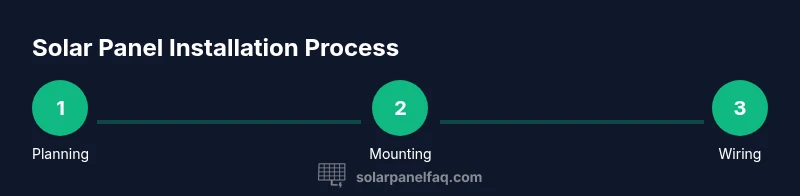
If you’re asking how install solar panel, this guide provides a practical, step-by-step path. You’ll evaluate site suitability, choose equipment, obtain permits, mount racking, connect wiring, and finalize inverter setup and testing. Prioritize safety, follow local codes, and consider professional help for complex roofs to ensure a compliant, efficient system.
Site and System Planning
Successful solar installation begins with a solid plan. Start by evaluating roof condition, sun exposure, direction, and shading from nearby trees or structures. Use a simple shading and orientation check to estimate annual energy production and determine the optimal panel layout, including spacing for ventilation. Decide on grid-tied versus off-grid options, and whether you want battery storage for backup power. Consider future expansion, roof replacement timing, and how the system will fit your daily energy use. Document findings with photos and quick sketches for reference during procurement and installation. A well-documented plan minimizes surprises and helps you communicate with contractors if you choose to hire.
Key considerations: roof integrity, south-facing exposure (in the northern hemisphere), potential shading, panel count, and desired system size. A careful design reduces shadows, improves efficiency, and lowers long-term costs.
Permits, Codes, and Financing
Before you start assembling components, check local regulations. Most jurisdictions require an electrical permit and, in some cases, a structural permit for mounting hardware. Contact your local building department or permitting office to confirm specific requirements, inspection steps, and required documentation (drawings, electrical diagrams, and equipment specs). Financing options, incentives, and net metering programs vary by region, so investigate available tax credits or rebates and how they affect your return on investment. Create a checklist with permit deadlines, inspection windows, and documentation milestones to prevent delays. If your roof is steep or contains unusual materials, professional install may be worth the extra cost to ensure code-compliant mounting and safe connections.
Note: Permitting timelines can differ; start early to avoid schedule conflicts and ensure you meet utility interconnection rules.
Equipment Compatibility and Sizing
Panel wattage, voltage, and connector types must align across all components. Start with a target system size based on your energy use and budget, then select panels with compatible electrical characteristics. If you choose microinverters, they simplify wiring and enhance shading tolerance, while string inverters can be more economical for larger arrays. Verify that racking and mounting hardware support the chosen panel dimensions and roof type. Don’t overlook voltage and current limits of your inverter and the main service panel; mismatches can cause unsafe overloading or nuisance tripping. Keep a running list of part numbers, supplier warranties, and expected delivery windows to prevent delays in your build.
Pro tip: Verify compatibility early; it saves time and reduces rework later in the project.
Mounting Systems and Roof Preparation
Mounting rails or a racking system must be securely attached to structural members. Depending on roof type (tile, metal, asphalt), you’ll choose penetrative or non-penetrative methods. Ensure rails are perfectly level and aligned using chalk lines, then attach mounting brackets per manufacturer specifications. Apply flashing and sealant where penetrations occur to prevent leaks. Plan for proper wire routing to minimize bending radii and to keep conductors protected from moisture and UV exposure. Use clamps and conduits that match local electrical codes and incorporate strain relief so cables aren’t loose or stressed.
Warning: Working on a roof creates fall hazards. Use a certified harness and secure anchor points at all times, especially on sloped or slick surfaces.
Electrical Design: Wiring and Inverter Options
Wiring design determines system efficiency and safety. Decide whether to connect panels in series, parallel, or a combination to suit voltage limits and inverter input ranges. For most homes, a well-planned string or microinverter configuration balances performance and maintenance. Install a DC disconnect accessible for service, then route DC conductors behind weatherproof conduits to the inverter or combiner box. Choose an inverter size that matches the array output and your electrical panel capacity. If you plan storage, dimension battery capacity to meet your desired autonomy and charging rate. Finally, ensure grounding and bonding comply with local electrical codes, and install a monitoring device to track performance over time.
Tip: Keep a clean, labeled wiring diagram on site for future maintenance or upgrades.
Battery Storage and Monitoring Options
Battery storage is optional but increasingly popular for resilience and load shifting. For grid-tied homes, batteries provide backup during outages and can smooth power usage. When selecting batteries, consider chemistry (lithium-ion is common), usable capacity, cycle life, depth of discharge, and temperature tolerance. Monitoring systems give real-time data on panel output, inverter performance, and battery status, helping you optimize usage and detect issues early. If you don’t need storage, a sophisticated monitoring setup can still help you verify system health and ensure you receive correct net metering credits. Keep battery placement in a ventilated area away from heat sources for longevity.
Pro tip: Plan storage with your energy goals in mind—backup duration, daily usage, and climate considerations all affect battery sizing.
Safety Essentials and Maintenance
Safety comes first with any solar installation. Always de-energize the system before servicing, wear appropriate PPE, and verify that all tools are insulated. Regular maintenance includes cleaning panels to maintain efficiency and inspecting mounting hardware, wiring, and conduit for signs of wear or corrosion. Check the inverter and monitoring system periodically to confirm that performance aligns with expectations. Schedule a professional inspection if you notice abnormal voltage, overheating, or unusual noises from the equipment. Document maintenance activities to support warranties and future upgrades.
Warning: Never bypass safety interlocks or work on live electrical components. Always verify de-energized status before touching conductors.
Preparing for Installation Day and Final Steps
As installation day approaches, confirm delivery dates for panels and hardware, and reconfirm permits and inspection appointments. Review the site plan with all participants, including any contractors you’ve hired. On-site, verify that weather conditions are suitable, ladders are secure, and fall protection is in place. After installation, perform a staged energization: connect DC circuits first, power up the inverter, and slowly bring the system online while monitoring readings. Schedule the final inspection and interconnection approval with your utility. Keep all warranties, manuals, and contact information handy for future service needs.
Authority Sources and Further Reading
For authoritative guidance on solar installations, consult these sources: U.S. Department of Energy (Energy.gov) on residential solar, National Renewable Energy Laboratory (NREL) for system design and performance, and OSHA guidelines for safe electrical work practices. These resources help ensure your installation adheres to safety standards and maximizes system reliability.
- https://www.energy.gov/eere/solar
- https://www.nrel.gov
- https://www.osha.gov
Tools & Materials
- Ladder and fall-arrest harness(Use a stable ladder and a fall-arrest system when working on the roof.)
- Personal protective equipment (PPE)(Hard hat, gloves, safety glasses, non-slip footwear.)
- Roof mounting rails and brackets(Choose hardware compatible with your roof material.)
- Solar panels (modules)(Select wattage and dimensions that fit your layout.)
- Inverter (string or microinverters)(Match inverter type to system design and panel configuration.)
- DC disconnect switch and combiner box(Accessibility is key for safety and service.)
- Conduit, connectors, and cable clamps(Use weatherproof, UV-rated components.)
- Electrical panel and related breakers(Ensure panel space and proper amperage ratings.)
- Tools: drill, torque wrench, screwdriver set, multimeter(Insulated tools and proper torque specs are essential.)
- Roof sealant and flashing (as needed)(Seal penetrations to prevent leaks on your roof type.)
- Documentation for permits and warranties(Keep files organized for inspections and future service.)
Steps
Estimated time: 1-3 days
- 1
Assess site viability and layout
Survey roof condition, shade patterns, and orientation. Sketch a layout that maximizes sun exposure while leaving space for maintenance.
Tip: Document shading with a sun-path diagram and mark potential panel positions. - 2
Check permits and codes
Contact your local jurisdiction to confirm required permits and inspection steps. Gather necessary drawings and equipment specs for submission.
Tip: Submit early to prevent delays; keep a permit calendar handy. - 3
Order equipment and verify compatibility
Confirm panel, inverter, and mounting system specifications align. Check warranty terms and delivery timelines.
Tip: Create a cross-reference sheet with part numbers and supplier contacts. - 4
Prepare mounting location and rails
Install rails or mounting brackets on the roof, ensuring level alignment and proper fastener seating.
Tip: Use chalk lines and a spirit level to ensure perfect alignment. - 5
Attach panels to mounting system
Secure each module with clamps, ensuring consistent gaps for cooling and expansion.
Tip: Avoid over-tightening clamps; check for panel movement after mounting. - 6
Make DC connections and install the inverter
Connect panel strings, install the DC disconnect, and mount the inverter in a ventilated area.
Tip: Double-check polarity and wire routing before energizing. - 7
Connect to AC panel and test
Route AC wiring to the main panel, configure the metering, and run initial performance tests.
Tip: Set monitoring to track real-time production from day one. - 8
Schedule inspection and commissioning
Request a utility interconnection inspection and complete any required documentation for final approval.
Tip: Keep a log of test results and warranty registrations for future service.
Frequently Asked Questions
Do I need a permit to install solar panels on my home?
Permit requirements vary by location; many jurisdictions require electrical and sometimes structural permits. Check with your local building department for exact rules and inspection steps.
Permit requirements vary by location; check with your local building department for exact rules and inspections.
Is it safe to install solar panels yourself?
DIY installation is possible for experienced homeowners but not recommended for complex roofs or unfamiliar electrical work. Hiring a licensed professional minimizes safety risks and ensures code compliance.
DIY can be risky; consider hiring a licensed professional for complex roofs or electrical work.
What safety gear is essential?
Always wear a hard hat, gloves, safety glasses, and a fall-arrest harness when working on roofs. Ensure ladders are stable and use fall protection as required by local codes.
Wear hard hat, gloves, safety glasses, and fall protection when roofing.
How long does installation typically take?
Timeline varies with roof type, permits, and system size, but most jobs take 1-3 days, with additional time for inspections and interconnection.
Most installations take 1-3 days depending on complexity and permits.
Should I add battery storage?
Battery storage adds cost and complexity but can provide outage protection and load shifting. Evaluate energy needs, grid stability, and budget before committing.
Storage can add resilience, but weigh costs and needs first.
Watch Video
Top Takeaways
- Plan thoroughly with site and load analysis.
- Secure proper permits before work begins.
- Ensure equipment compatibility and safe mounting.
- Prioritize safety at every step and test the system after installation.