DIY Solar Panel Installation: A Homeowner’s Guide
Learn how to plan, size, install, and safely wire a DIY solar panel system on your home. This educational guide covers permits, safety checks, and maintenance to help homeowners confidently pursue solar.


According to Solar Panel FAQ, DIY solar panel installation is feasible for homeowners who can size the system, safely mount racking, wire into a suitable inverter, and manage permits. This guide outlines planning, safety checks, and common pitfalls to help you decide if a DIY approach is right for your roof, budget, and skills.
Is DIY Solar Panel Installation Right For You?
Deciding to install solar panels yourself hinges on your comfort with electrical work, roof access, and local regulations. A well-planned DIY project can save money and provide a sense of accomplishment, but it also carries risks if safety protocols aren’t followed. Homeowners who want a smaller, simple array on a flat roof, with a grid-tied inverter and clear access to the main service panel, may find a DIY path appealing. The Solar Panel FAQ team notes that success depends on accurate sizing, safe mounting, and proper electrical connections. If you’re uncertain about any step, consult a licensed electrician or solar installer to review your plan. A realistic budget, a timeline that accommodates weather, and a willingness to learn are essential ingredients for success.
Planning Your System: Energy Goals, Sizing, and Layout
Before you purchase components, map your energy needs. Review past utility bills to estimate monthly kWh usage, then decide on a target offset (for example, 60–80%). Use this to size your array, bearing in mind local solar irradiance, roof orientation, and shading. Create a rough layout showing panel rows, mounting points, and cable routes. This planning stage reduces costly changes later and helps you select compatible modules, inverters, and racking. The process should also cover safety clearances, access for maintenance, and the location of the disconnect and inverter.
Tools, Materials, and Safety Preparations
Assemble a complete kit before you begin. A well-chosen toolset minimizes trips to the hardware store and reduces errors. PPE (helmet, gloves, safety glasses), fall-arrest gear for roof work, and a non-conductive ladder are non-negotiables. For electrical work, insulated tools, a multimeter, and a voltage tester are critical. Keep a weather window in mind; wind or rain can stall progress and create safety hazards. This block also outlines the essential materials—panels, racking, wiring, conduit, combiner boxes, and an inverter—plus optional components like energy storage, if you plan to add batteries later.
Step-by-Step Conceptual Outline
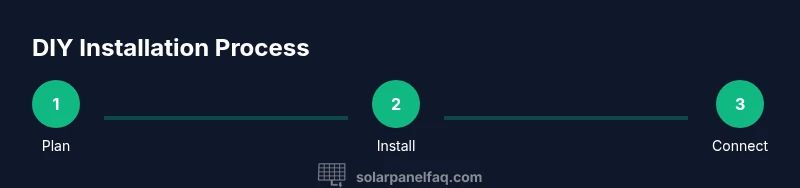
This section outlines a high-level progression from planning to commissioning. Each phase should be completed with care to local codes and manufacturer instructions. Remember to verify roof integrity, ensure proper wiring gauge, and maintain safe distances from electrical service equipment. If anything feels risky, pause and consult a professional.
Wiring, Inverters, and Electrical Safety
Electrical work is the heart of a solar installation. Start by turning off power at the main service panel and using lockout-tagout practices. Mount the racking, attach panels, and connect modules in series or parallel as designed. Use appropriate conduit, grounding, and overcurrent protection. Inverter sizing should align with panel count and target DC input. Finally, perform insulation and tightening checks to prevent heat buildup and voltage drop.
Permits, Codes, and Inspections
Local permits and electrical codes govern most residential solar projects. Contact your building department early to learn required inspections, setbacks, and labeling. A grid-tied system generally needs interconnection approval or net metering authorization. Keep documentation for warranties and future transfers, and consider an electrical permit even if you’re building within a homeowner's association guidelines.
Maintenance, Warranties, and Longevity
Solar installations require periodic inspection to ensure seals, wiring, and mounting hardware remain intact. Clean panels thoughtfully to avoid scratching the glass and maintain a safe distance from roof edges. Track inverter and PV module warranties, and note their service windows. A simple monitoring system can reveal performance deviations, enabling timely maintenance and repair.
Tools & Materials
- PV modules (solar panels)(Rated for your system size; consider microinverters if shading is an issue)
- Roof mounting rails and racking(Corrosion-resistant aluminum or steel, compatible with roof type)
- Inverter (string or microinverters)(Match DC input to panel configuration; grid-tied or off-grid as needed)
- DC disconnect switch(Properly rated for current; labeling required)
- Conduit, cable, and weatherproof fittings(UV-rated and rated for outdoor use)
- Junction/combiner boxes(Lightning- and moisture-resistant; proper grounding)
- Electrical tools (multimeter, voltage tester, insulated wrenches)(DOE safety standards compliance recommended)
- Non-conductive ladder and fall-arrest gear(Roof work safety cannot be skipped)
- PPE (gloves, goggles, hard hat)(Personal safety gear at all times)
- Roof sealant and mounting gasket kit(Waterproofing around roof penetrations)
- Wire cutters/strippers and crimping tools(Correct gauge and insulation)
- Fire-rated enclosure or disconnect(Additional safety feature; optional depending on local code)
Steps
Estimated time: Estimated total time: 12-16 hours
- 1
Assess energy needs
Review past electricity bills to estimate monthly usage. Define a target offset and rough system size. This helps prevent over- or under-sizing.
Tip: Gather at least 12 months of utility data for accuracy. - 2
Check site suitability
Evaluate roof orientation, shading, and mounting feasibility. Confirm roof structure can support the panels and equipment.
Tip: Use a sun path tool or app to map shading across seasons. - 3
Design system and select components
Choose modules, inverters, and mounting hardware that match the planned layout and electrical design. Ensure compatibility between components.
Tip: Prefer widely supported brands with warranties and documentation. - 4
Obtain permits and schedule inspections
Consult your local building department to determine permit requirements and inspection steps. Prepare documentation for interconnection.
Tip: Start early; many jurisdictions have lead times. - 5
Prepare mounting area
Install rails or mounting brackets securely, mark cable paths, and verify ladder access. Maintain clean, organized work zones.
Tip: Verify roof sealant compatibility with mounting hardware. - 6
Install panels and electrical connections
Attach panels to racking, connect series/parallel strings, and install a DC disconnect. Route cables safely through conduit.
Tip: Keep wiring tidy and away from sharp edges. - 7
Connect to inverter and grid (if applicable)
Wire the DC side to the inverter, then connect AC output to the electrical panel per code. Install any required anti-islanding protection.
Tip: Have an electrician review the final connections. - 8
Test, commission, and monitor
Power up gradually, verify voltages, and confirm performance with monitoring software. Document warranty info and maintenance plan.
Tip: Record initial performance data for future comparisons.
Frequently Asked Questions
Is it legal to install solar panels yourself?
In many areas, homeowners may perform DIY solar installations if they comply with local codes and obtain required permits. Some jurisdictions require licensed electricians for certain tasks. Always verify with your local building department.
DIY solar installation is allowed in many places if you follow codes and permits; check your local rules.
Do I need permits for a DIY solar installation?
Most residential installations require building and electrical permits and an interconnection agreement with the utility. Your local authority will provide a checklist of required documents and inspections.
Permits are typically required for most home solar projects.
What safety gear is essential?
At minimum, wear a hard hat, safety glasses, gloves, and non-slip footwear. Use fall protection when working on roofs and insulated tools for electrical work.
Safety gear is non-negotiable for DIY solar work.
How much can I save with DIY solar?
DIY installations can reduce upfront labor costs, but material costs and permitting still apply. Savings depend on system size, local incentives, and energy usage patterns.
Savings depend on size and incentives; expect upfront costs for parts and permits.
Can DIY panels be connected to the grid?
Yes, but it requires a grid-tied inverter and interconnection approval from the utility. Follow code requirements for anti-islanding and safety disconnects.
Grid-ready setups need proper inverters and utility approval.
Watch Video
Top Takeaways
- Plan thoroughly before starting
- Choose compatible components
- Prioritize safety and permits
- Document and monitor performance
- Be prepared for ongoing maintenance