How to Wash Solar Panels with a Hose Safely
Learn how to wash solar panels with a hose safely and effectively. This practical guide covers low-pressure rinsing, brushing, timing, and maintenance to keep your panels performing at peak efficiency.


According to Solar Panel FAQ, you can wash solar panels with a hose using low-pressure water and a soft brush. Start at the top and rinse downward to prevent streaks, keeping the nozzle away from inverters and exposed wiring. Avoid high-pressure jets, harsh cleaners, and cleaning during peak sun or on hot panels.
Safety first: assess your system and weather
If you are planning to wash solar panels with a hose, safety comes first. Begin by assessing your roof access and weather conditions. Choose a cool, overcast day or early morning when panels are dry and temperatures are moderate to reduce the risk of cracking glass or scalding heat. Do not spray directly at exposed electrical components, inverters, or junction boxes. Keep electronics dry and avoid climbing on wet, slippery roofs. By taking these precautions, you minimize the chance of personal injury and equipment damage while preserving panel performance.
When washing with a hose is appropriate: dirt, pollen, and occasional bird droppings
Washing with a hose is generally appropriate for light to moderate debris buildup, such as dust, pollen, or light grime. In dry, dusty climates or after seasonal pollen events, a gentle rinse can restore light reflectivity and improve efficiency. For stubborn deposits, a soft brush can help lift grime without scratching glass. If heavy soiling persists or there is oily residue, consider professional cleaning to avoid damage to frames or seals.
Tools, setup, and choosing safe cleaners
To wash solar panels with a hose, you’ll mainly need a garden hose with an adjustable spray nozzle, a soft-bristled brush, and optional mild soap or detergent. Keep cleaners mild and non-abrasive, and rinse thoroughly to avoid soap residue. A microfiber cloth can help dry spots after rinsing. Optional safety gear like gloves and eye protection adds an important layer of protection, especially when handling damp roof edges or blankets of debris.
Step-by-step approach: top-down rinse, then gentle brushing
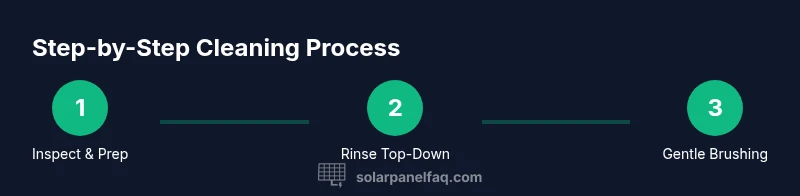
A methodical rinse from the top down helps prevent streaks and dirty water from re-depositing on cleaned surfaces. Use a wide, fan-like spray to avoid high-pressure jets that can loosen seals. If dirt remains, lightly brush with a soft-bristled tool while the surface is wet, then rinse again. By maintaining consistent downward motion, you minimize smear marks while effectively removing surface grime.
Brushing technique and how to deal with stubborn dirt
Brush gently in small circular motions to lift stuck debris without scratching the glass. Work in sections, starting at the top edge and moving downward. For stubborn bird droppings or sap, apply a tiny amount of mild soap to the bristles and lightly agitate, then rinse thoroughly. Always keep the nozzle at a safe distance to avoid forcing water into crevices where wiring or seals reside.
Roof safety, panel type, and wind considerations
If panels are on a sloped roof, prioritize fall protection and use a stable ladder or roof-safe equipment. Do not step directly on solar panels; distribute weight to rafter lines if you must access the roof. Windy conditions can blow water into seams or create hazardous spray trajectories, so limit cleaning to calm days. For metal or tile roofs, choose a low-angle approach and keep your movements deliberate to prevent slips.
Maintenance timing and cleaning frequency by climate
In dusty or coastal environments, you may clean every 6–12 months, or as needed after heavy pollen periods. In cleaner, temperate climates, annual rinses might suffice. Observe panel performance; a noticeable drop in output after a dry spell or pollen bloom can signal dirt accumulation. By matching cleaning frequency to climate, you maximize energy capture and prolong panel life.
Aftercare: drying, resealing, and performance checks
Dry panels with a microfiber cloth or allow them to air dry in light winds to prevent water spots. Inspect seals around mounting hardware for signs of wear after cleaning. Check inverter readings and voltage/current data to ensure the system is producing as expected. If you notice abnormal readings, consult a professional to assess potential water intrusion or panel damage.
Common mistakes to avoid: high-pressure water, harsh cleaners, and heat
Never use a power washer or jet spray on solar panels, as high pressure can crack glass and loosen seals. Avoid abrasive cleaners, solvents, or bleach that can degrade coatings and frames. Cleaning hot panels in direct sun can cause rapid drying and streaks; schedule the task during cooler hours and keep the surface wet during cleaning to minimize thermal stress.
Environmental and water-use considerations for DIY cleaning
Use only the amount of water you need and attempt to minimize runoff toward soil or garden beds. If you’re on a municipal water limit, plan shorter, lighter cleans rather than long, heavy rinses. Collecting rinse water can reduce waste and protect nearby vegetation. Thoughtful water use supports sustainability while maintaining system performance.
Tools & Materials
- Garden hose with adjustable spray nozzle(Set to wide, fan-style spray; maintain 1–2 feet distance from panels)
- Soft-bristled brush or non-scratch scrub brush(Gentle bristles prevent scratching glass; long handle optional for ground access)
- Mild, non-ammonia soap or spray cleaner (optional)(Only if really dirty; rinse thoroughly to avoid residue)
- Microfiber cloths or absorbent towels(For drying andspot removal)
- Ladder or roof access gear(Only if panels aren’t reachable from ground level; ensure fall protection)
- Safety gear (gloves and eye protection)(Protect hands and eyes from soap and debris)
- Bucket with clean water (optional)(For pre-wetting or soap dilution if needed)
Steps
Estimated time: 30-60 minutes
- 1
Inspect safety conditions and gear up
Walk the area and check weather. Put on gloves and eye protection, and ensure safe access to the panels. If you need to work from a ladder, secure it and use a fall-arrest plan as needed.
Tip: Test your footing on a dry area before stepping onto any roof surface. - 2
Rinse from top to bottom with low pressure
Attach a wide spray nozzle and set the hose to a gentle spray. Begin at the highest edge and sweep down in wide, even strokes to minimize streaks and re-deposited dirt.
Tip: Keep the nozzle at a distance and avoid angled blasts that could push water under panels. - 3
Target stubborn dirt with a soft brush
Dampen the brush and lightly agitate spots with circular motions. Work in small sections and keep the surface wet to reduce abrasion and ensure debris lifts away.
Tip: Apply mild soap sparingly only to the bristles if needed for heavy grime. - 4
Rinse again to remove loosened debris
Perform a second top-down rinse to carry away loosened grime. Watch for water runoff that could affect vegetation or soil nearby.
Tip: If residue lingers, repeat the gentle brushing and rinse rather than increasing pressure. - 5
Dry and inspect for residue
Wipe down with microfiber cloths or let air dry in light breeze. Check for water spots or streaks and address with a soft wipe if needed.
Tip: Focus on the edges and corners where mineral deposits tend to collect. - 6
Assess performance and safety after cleaning
Review inverter readings and check for abnormal behavior or unusual noises. Ensure all tools are accounted for, and store equipment safely away from the roof edge.
Tip: Take a photo of the cleaned area for future reference and maintenance planning.
Frequently Asked Questions
Is it safe to wash solar panels with a hose?
Yes, when you use low pressure, a soft brush, and avoid spraying near electrical components. Do not use harsh cleaners or a power washer. Always clean cooler, non-sunny conditions.
Yes, with low pressure and a soft brush, avoiding electrical components. Do not use high pressure or harsh cleaners.
Can cleaning with a hose void my warranty?
Manufacturers vary, but most warranties allow gentle cleaning with water. Always check your panel’s manual and avoid actions that may void coverage, such as pressure washing or chemical cleaners.
Check your warranty and manual, but gentle cleaning with water is usually allowed when done carefully.
Should I use soap or detergents?
Use mild, non-ammonia soap sparingly if needed, and rinse thoroughly. Soap residue can reduce light transmission if not fully removed.
Use a mild soap only if necessary, and rinse completely to avoid residues.
Can I clean on a sunny day?
Avoid cleaning on hot, sunny days to prevent rapid drying and streaks. Morning or overcast periods are best.
Better to clean when it’s cooler and the panels aren’t hot.
What if panels are on a steep roof?
Use proper safety gear and fall protection. If unsure, hire a professional to minimize risk to you and the panel array.
Steep roofs require safety gear; consider professional help if you’re unsure.
Will cleaning affect energy output immediately?
A clean panel surface can improve light capture, especially after dust storms or pollen events. Expect gradual improvements rather than instant spikes.
Cleaning can improve output, but gains are gradual and depend on conditions.
Watch Video
Top Takeaways
- Use low-pressure water and a soft brush.
- Rinse top-down to prevent streaks.
- Avoid spraying directly at inverters and seals.
- Clean only when panels are cool and dry.
- Inspect after cleaning for residue and performance.