How to Clean Solar Panels from the Ground: Safe Steps
Learn how to safely clean solar panels from the ground using extendable tools, mild soap, and a gentle rinse. This guide covers equipment, step-by-step methods, safety tips, and maintenance for homeowners seeking efficient, ground-level cleaning.


From the ground, you can safely clean solar panels using an extendable, soft-bristle brush, a mild soap solution, and a gentle rinse. According to Solar Panel FAQ, start with dry debris removal, then scrub with an extension pole and rinse thoroughly. Avoid roof access or high-pressure water. This approach minimizes risk while keeping panels safe and efficient.
Why Cleaning from the Ground Matters
Regular cleaning from ground level helps maintain solar panel efficiency, especially when dirt accumulates in thin, surface-level layers. This approach minimizes trips onto a roof and keeps your system running near its peak performance. According to Solar Panel FAQ, ground-based cleaning can improve light transmission to the photovoltaic cells when dirt is light, reducing energy losses caused by soiling. Homeowners should consider environmental factors (dust, pollen, bird droppings) and seasonal weather to determine cleaning frequency. In many climates, a light wash a few times per year is sufficient, while drier, windier regions may require more frequent maintenance. When dirt sits longer, you may need to increase cleaning frequency or use a more thorough rinse. Align cleaning with seasonal changes and soil patterns to maximize efficiency without unnecessary risk.
Safety First: Ground-Level Cleaning Precautions
Cleaning from the ground preserves safety by avoiding roof access. Always wear non-slip shoes and eye protection where appropriate. Do not use high-pressure water, chisels, or abrasive scrubbing tools that may scratch the glass. Keep hoses away from electrical components and never spray water directly into inverters or junction boxes. If panels are near electrical equipment, switch off safe-mode per manufacturer guidelines and consult a professional if unsure. Establish a stable stance, never lean on panels, and keep pets and children away during cleaning. Weather matters; aim for calm, mild days with no wind that could fling debris or cause slips. These precautions protect your investment and yourself.
Equipment You'll Need (Ground-Based)
Use a long-handled, soft-bristle brush, a mild soap solution (dawn or dish soap), a bucket or spray bottle, a microfiber cloth for detailing, and a garden hose with adjustable nozzle. Consider an extension pole to reach panels safely without climbing; never stand directly under solar arrays that are wet and slippery. Choose non-abrasive cleaners, avoid solvents that could degrade coatings, and have a non-slip mat or tarp ready to protect surfaces beneath the panels.
How to Approach the Cleaning: Ground-First Method
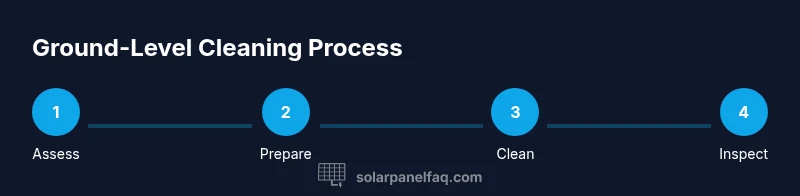
Begin with dry debris removal to prevent mud buildup. Lightly mist panels with water to suspend dust, then use a soft-bristle brush on an extension pole to lift dirt without scratching. Apply a mild soap solution and gently scrub using broad, overlapping strokes; rinse with clean water, ensuring all soap residues are removed. Check for streaks; if needed, re-rinse and dry with a microfiber cloth to minimize water spots. Do not let soap dry on the surface, as residues can reduce light transmission. Finally, inspect the panel surface for remaining dirt or streaks and plan the next cleaning accordingly.
Best Practices for Stubborn Stains and Moss
For stubborn stains, switch to a slightly stronger soap solution and spend extra time on the affected areas, always using a soft brush. If moss or algae appear, avoid metal tools that could scratch the glass; instead, apply a mild, eco-friendly cleaner and rinse thoroughly. Do not attempt to scrub along the edge of frames where dirt can hide and cause stress; focus on the central panel, then rinse edges. Regular maintenance reduces the buildup that leads to more intensive cleaning later.
Seasonal Considerations and Maintenance Schedule
Spring and fall are ideal for inspection and light cleaning, catching dust and pollen before they dull performance. In dry summers, shorter, more frequent sessions can prevent heavy soiling. In windy areas, follow rain after storms to help wash away debris; rain alone may not completely clean panels but can provide partial relief. Record cleaning dates to track performance and avoid over-washing, which wastes water. A simple schedule—light maintenance quarterly, with a deeper clean if soil levels rise—often yields the best balance of efficiency and effort.
Troubleshooting: When to Call a Pro
If panels show persistent staining, grime buildup near sealants, or if you notice a drop in performance after cleaning, consult a professional. A Solar Panel FAQ approach suggests evaluating system performance first (production vs. expected output) before escalating to on-site servicing. If roof access becomes necessary for a more thorough cleaning, do not proceed without proper safety equipment and qualifications. A professional can clean hard-to-reach areas and inspect for microcracks or glazing issues that generic cleaners cannot address.
Tools & Materials
- Long-handled soft-bristle brush(Choose a brush with a non-scratch head and an extension pole for reach.)
- Mild soap or dish soap(Use a small amount in warm water to create a gentle cleaning solution.)
- Bucket or spray bottle(For mixing soap solution and applying to panels.)
- Garden hose with adjustable nozzle(Set to a gentle spray; avoid high pressure.)
- Microfiber cloths(For drying and detailing without scratching.)
- Extension pole(Helps reach panels from ground level safely.)
- Protective gloves and eyewear(Optional but helpful for chemical handling and eye protection.)
- Non-slip tarp or mat(Under panels to keep area dry and safe.)
Steps
Estimated time: 60-90 minutes
- 1
Inspect from the ground
Survey the panels for visible dirt, bird droppings, or shading that could affect performance. Note any nearby hazards and plan your approach accordingly.
Tip: Take a quick photo to compare cleanliness over time. - 2
Prepare the area
Clear the ground area, move vehicles or objects away, and ensure water supply is ready. Place a tarp under the panel edge if possible to catch runoff.
Tip: Tell others to stay clear of the work zone for safety. - 3
Remove loose debris
Using a dry brush or soft broom, gently sweep away loose dirt and leaves without applying pressure that could scratch the glass.
Tip: Keep strokes broad and even to avoid applying concentrated force. - 4
Wet the surface lightly
Mist panels with water to loosen dust. Don’t soak aggressively; reach the surface with your extension pole to avoid climbing.
Tip: Wetting first helps prevent scratching when scrubbing. - 5
Apply soap solution and scrub
Dip the brush in the soap solution and scrub panels with broad, even strokes. Avoid rubbing in circular motions that may cause streaks.
Tip: Rinse soap frequently to prevent buildup. - 6
Rinse thoroughly
Rinse from top to bottom with the spray nozzle at a gentle setting to remove all soap residue.
Tip: Ensure no soapy film remains to maximize light transmission. - 7
Dry and inspect
Dry with microfiber cloths to prevent water spots and inspect for remaining dirt. Re-clean any stubborn spots if necessary.
Tip: A quick dry prevents mineral deposits from drying on glass. - 8
Store and cleanup
Safely store tools, dry the area, and document the cleaning date for future reference.
Tip: Keep records to optimize future maintenance plans.
Frequently Asked Questions
Is it safe to clean solar panels from the ground?
Yes, cleaning from the ground is safe when you use extendable tools, avoid climbing on roofs, and follow manufacturer safety guidelines. Never use high-pressure water or abrasive cleaners on the glass.
Yes—use extendable tools and avoid roof access for safety.
Should I power off my inverter before cleaning?
If your inverter is accessible and you’re performing cleaning near electrical components, follow the manufacturer’s safety protocol and switch off the appropriate circuits. If unsure, consult a qualified electrician.
Power off according to the manufacturer’s safety instructions if you’re near electrical components.
What weather is best for ground cleaning?
Choose a mild, wind-free day with no rain. Avoid cleaning in direct sun, which can cause streaks and rapid drying.
Pick a calm, mild day to keep things safe and prevent streaks.
What cleaners are safe for solar panels?
Use a mild soap solution such as dish soap and water. Avoid solvents, abrasive cleaners, and bleach that can damage coatings.
Stick to a mild soap solution and water, no harsh chemicals.
Can cleaning improve energy production?
Cleaning can reduce losses due to dirt and dust, improving light transmission and energy output, especially after dusty or pollen-heavy seasons.
Yes, a clean panel often produces a bit more energy when soil is the issue.
Watch Video
Top Takeaways
- Clean from ground level to reduce fall risk.
- Use extendable tools and mild soap—no harsh cleaners.
- Rinse thoroughly to avoid streaks and residue.
- Schedule regular maintenance and track results.