Is It Okay to Clean Solar Panels with Water? Practical Guide
Discover is it ok to clean solar panels with water, when to wash, and how to do it safely. This guide covers safe methods, tools, precautions, and professional help tips for homeowners.


Is it ok to clean solar panels with water? Yes, but only under safe conditions: panels must be cool, use plain water, and avoid high-pressure jets or detergents. Gather a soft brush, a hose with an adjustable nozzle, and non-abrasive cloths. Do not spray electrical components or wiring. Follow best practices for safety and panel longevity.
is it ok to clean solar panels with water
Is it ok to clean solar panels with water? The quick answer is yes in many cases, but only when you follow safeguards that protect both the panels and your safety. Solar panels are designed to withstand weather, but cleaning missteps can reduce efficiency or cause damage. Water helps remove loose dust, leaf litter, and bird droppings that accumulate on glass surfaces. However, it is essential to consider water temperature, hardness, and timing. According to Solar Panel FAQ, effective water cleaning works best when panels are cool and shade is present to prevent rapid thermal changes. Using plain water and a soft brush minimizes abrasion and avoids introducing chemicals that could leave residue or affect coatings over time. Homeowners should tailor cleaning to their climate, panel type, and local regulations while prioritizing safety over speed.
Water quality and mineral deposits that affect efficiency
Water quality matters. Tap water can leave mineral deposits on glass if allowed to dry, especially in areas with hard water. Distilled or demineralized water reduces this risk but may not be practical for every household. In between washes, simply rinsing with water can help maintain surface cleanliness without creating mineral buildup. If you notice white streaks after cleaning, it may indicate mineral deposits; re-rinse with soft water or use a microfiber cloth to wipe deposits gently. The goal is to restore light transmission on the glass surface without leaving a film that can reduce performance under bright sun. Consistency matters more than intensity—regular, light cleaning is often preferable to rare, intensive scrubs.
Safe methods and recommended tools for water cleaning
To wash with water safely, start by ensuring the panels are cool to the touch and not in direct sun. Use a garden hose with an adjustable spray nozzle set to a gentle mist or wide spray. A soft-bristled brush or non-abrasive sponge helps lift dust without scratching the glass. Avoid high-pressure nozzles, power washers, or scouring pads. Keep sprays away from the electrical components and wiring, especially the junction box and inverter area. Work from the top edge of the panels down to avoid re-soiling areas you’ve just cleaned. If dirt is stubborn, pause and rinse again before brushing. After cleaning, inspect for streaks and ensure a thorough rinse.
When to avoid water cleaning or seek professional help
There are times when water cleaning is not appropriate. If the panel surface shows deep grime, oil, or bird droppings that glue to the glass, or if access would require risky roof work, consider a professional cleaning. If you notice cracked glass, loose fixtures, or exposed electrical components, stop cleaning and contact a qualified technician. In dusty or salty environments, frequent cleaning may be needed, but always prioritize safety and use low-pressure rinsing. Never wash with hot water on a cold panel, as rapid temperature changes can cause stress or micro-cracks. Always defer to local regulations and manufacturer guidelines when uncertain.
Maintenance schedule and record-keeping for long-term performance
Adopting a simple routine helps sustain performance. Plan regular, light cleanings aligned with seasonal conditions and weather patterns in your area. Keep a maintenance log noting the date, conditions, water type, tools used, and any observations about panel performance. A consistent log helps you detect gradual declines in efficiency and determine when a deeper inspection or professional cleaning is warranted. Remember, is it ok to clean solar panels with water is not a one-time decision; it’s part of ongoing system care that supports sustained energy generation.
Authority sources and further reading
For additional guidance, consult reputable sources on solar maintenance. The U.S. Department of Energy’s Solar Energy Technologies Office provides resources on solar panel upkeep, while the National Renewable Energy Laboratory offers best practices for maintaining solar installations. Energy.gov also discusses safety considerations when cleaning solar equipment. Local utility guidelines may have specific recommendations for water use and cleaning practices in your region. These sources help homeowners align cleaning practices with standardized recommendations.
Tools & Materials
- Garden hose with adjustable spray nozzle(Set to a gentle mist / wide spray; avoid high pressure)
- Soft-bristled brush or non-abrasive sponge(Use on glass surfaces only)
- Microfiber cleaning cloths(For wiping edges and stubborn streaks)
- Bucket with clean water(Prefer distilled/demineralized water if available)
- Protective gloves(Grip and cut protection; keep hands safe on rooftops)
- Ladder or roof-access device (optional)(Only with proper fall protection; do not rely on ladder alone)
Steps
Estimated time: 60-90 minutes
- 1
Assess safety and weather
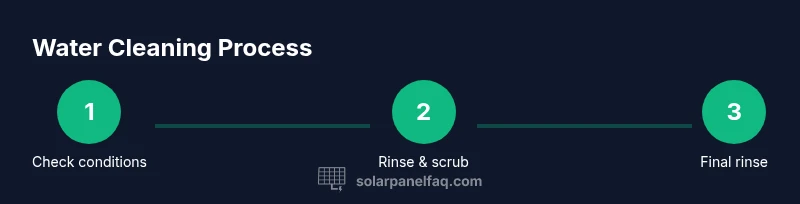
Check the forecast and choose a cool, overcast day or early morning for cleaning. Inspect the roof access path and ensure stable footing. If you use a ladder, have a spotter and wear fall protection. This prevents slips and mishaps while you’re on a roof.
Tip: Never clean in direct sun; heat can cause thermal shock and streaks. - 2
Cool the panels
If panels are warmer than ambient air, gently rinse from the top to the bottom with a low-pressure spray to cool the surface before brushing. Avoid spraying hot glass with cold water, which can cause micro-cracks.
Tip: Always test spray distance on a small area first. - 3
Rinse with plain water
Rinse the panels with plain water, starting at the top edge and moving downward. This loosens dust without adding residues. Use a wide spray setting and avoid high-pressure streams near the wiring.
Tip: Keep the nozzle moving to prevent pooled water that can leave rings. - 4
Gently scrub embedded grime
If dirt remains, use a soft brush or sponge with light pressure to lift the grime. Do not scrub aggressively or use detergents. Rinse again after brushing to remove loosened material.
Tip: Focus on corners and edges where dirt collects. - 5
Final rinse and inspect
Finish with a thorough rinse to remove any loosened particles. Inspect for streaks or mineral deposits and wipe with a microfiber cloth if needed. Confirm no water pools near electrical components.
Tip: If deposits persist, consider using distilled water for a follow-up rinse. - 6
Store equipment and document
Dry tools and store safely after use. Record the date, weather conditions, and any observations about panel performance. This helps determine when the next cleaning should occur.
Tip: Keep a simple log to track efficiency changes over time.
Frequently Asked Questions
Is it safe to wash solar panels with a garden hose?
Yes, a garden hose on a gentle spray is typically safe when panels are cool and you avoid direct water hits on electrical components. Do not use high pressure. Always start from the top and work down to prevent dirt from running into cleaned areas.
Yes, use a gentle spray on cool panels and avoid high pressure or direct hits on electrical parts.
Should I use detergent when cleaning solar panels?
Detergents are generally not necessary and can leave residues. Plain water or a mild soap only if needed, followed by a thorough rinse. Detergents can affect coatings and panel performance over time.
Detergents aren’t usually needed; use plain water and rinse well if you must use soap.
What if the panels are hot?
Do not clean hot panels. Thermal shock from cold water can cause micro-cracks. Wait until the panels cool and then begin cleaning with a gentle rinse.
Wait until panels are cool before cleaning to avoid damage.
Can I clean on a dusty or salty coast environment more often?
Dust and salt can accumulate quickly and reduce efficiency. Clean as needed when dirt is visible, prioritizing safe conditions and avoiding over-cleaning.
Clean as needed when dirt shows up, especially in dusty or coastal areas.
Are pressure washers ever appropriate?
Pressure washers are generally discouraged because high pressure can damage panels and seals. If used, keep pressure very low and maintain a safe distance, ideally under professional supervision.
Avoid high-pressure washers; if ever used, keep pressure very low and stay cautious.
What should I do if I see residues after cleaning?
Residual mineral deposits may require a second rinse with distilled water or a light wipe with a microfiber cloth. Check the panel surface for uniform transparency after cleaning.
If residue remains, rinse again with soft water or wipe with a microfiber cloth.
Is water cleaning enough for heavy grime?
Heavy grime may require professional cleaning. Water alone might not restore performance, and attempting aggressive cleaning on rooftops can be risky.
If grime is stubborn, seek professional help rather than risking damage.
Watch Video
Top Takeaways
- Water can clean solar panels safely when used correctly.
- Avoid high pressure, detergents, and hot-to-cold contact.
- Clean during cool conditions and inspect after washing.
- Document maintenance to monitor performance over time.