Can You Wash Solar Panels in the Sun? A Practical How-To
Learn whether you can wash solar panels in the sun and how to clean safely. This educational guide covers timing, technique, tools, and maintenance for homeowners.


Yes, you can wash solar panels in sunny weather, but avoid cleaning during peak heat. For best results, clean during cooler parts of the day—early morning or late afternoon—using a soft brush, non-abrasive soap, and plenty of water. Rinse thoroughly and avoid high-pressure nozzles that can damage panels.
Can You Wash Solar Panels in the Sun? Understanding the Basics
Solar panels are designed to withstand outdoor conditions, and cleaning them is often recommended to preserve efficiency. However, washing in direct, intense sun can cause rapid drying, leading to streaks or thermal stress on the panel surface. The safest general approach is to plan cleaning for cooler parts of the day and to use gentle cleaning methods. Cleaning can help remove dust, pollen, bird droppings, and salt spray in coastal areas, which can otherwise reduce light absorption and shift electrical performance. If your system includes a monitoring app, you may notice small drops in output after long dry spells or dust storms, which can prompt a cleaning cycle. When in doubt, consult your system’s manual and the installer’s recommendations, especially if your panels are within a warranty window. According to Solar Panel FAQ, proactive cleaning can support sustained performance in dusty environments, but correct timing matters for safety and effectiveness.
When to Clean: Timing for Safe, Effective Washing
Timing is a core factor in successful cleaning. Cloudy or overcast days are ideal, but if your schedule only allows mornings or late afternoons, proceed with caution. Early morning cools the surface and reduces the risk of rapid water evaporation, while late afternoon temperatures tend to be gentler than peak sun. In extremely hot climates, the panel surface can become hot enough to cause the cleaning solution to flash off or vaporize quickly, leaving streaks or, in rare cases, micro-cracks. Always wet the surface first to minimize thermal shock, use a soft brush to dislodge debris, and keep water pressures low. If you’ve just rinsed the panels, wait a few minutes for the surface to cool before applying any soap.
Cleaning Methods: Water, Soap, and Tools
A mild cleaning approach is usually sufficient. Use plain water or a small amount of mild, non-corrosive dish soap if needed. Avoid harsh chemicals, abrasive scrub pads, and wire brushes that can scratch the glass or frame. A soft brush, microfiber cloth, or squeegee helps remove stubborn dust without scratching. If you have a large system on a rooftop, a garden hose with a broad spray nozzle is often enough for rinsing. For persistent grime, consider a low-foaming soap solution and a rinse with clean water. Always test a small area first to ensure there’s no discoloration or residue. The aim is to clean without leaving residues that could attract more dirt or interfere with drainage.
Safety and Warranty Considerations
Safety comes first. Do not climb onto a roof unless you are trained and equipped for ladder work, fall protection, and proper footwear. If you must access the roof, ensure your ladder is stable and anchored, and have a helper spot you. Avoid stepping on fragile components or missing roof anchors. Some manufacturers advise against certain cleaners or power-washing under warranty terms, so check your installation agreement. If you’re unsure, hire a qualified solar technician for a cleaning or inspection. Never spray water directly into electrical components or junction boxes, and turn off any affected breakers if safe to do so per your system’s guidelines.
Common Mistakes and How to Avoid Them
Common mistakes include cleaning in direct sunlight, using high-pressure streams, and scrubbing with abrasive materials. These actions can cause micro-scratches or thermal stress, reducing efficiency and durability. Another pitfall is using soapy mixtures that leave a film on the glass, which can reduce light transmission. Always rinse thoroughly to remove soap residues, and avoid leaving standing water on the frame where corrosion could occur. Finally, never assume all panels are the same—different brands, coatings, and orientations can respond differently to cleaners and methods.
Maintenance Planning: How Often to Clean and What to Inspect
A routine cleaning plan helps maintain performance without overdoing it. In dry, dusty climates, you may benefit from periodic cleaning aligned with seasonal dust events; in coastal areas, salt spray increases grime, requiring more frequent checks. Inspect panels for visible dirt, bird droppings, or streaks and monitor production data to gauge effectiveness. Regular visual inspections also help identify loose hardware, cracked glass, or seal degradation around the frame. A good maintenance habit pairs cleaning with a quick electrical check and performance comparison using your monitoring app to determine if a deeper inspection is warranted.
Cost and Efficiency: What Cleaning Can Do for Output
Cleaning can restore some of the efficiency lost to soiling, particularly in climates with frequent dust or pollen. The actual improvement depends on panel design, tilt angle, and local climate. In many cases, the improvement is modest but meaningful, particularly after a long dry spell or after events that deposit grime (pollen, ash, or bird droppings). The expense of tools, soap, and labor should be weighed against the expected improvement in energy production. If you manage a large array, you may want to schedule semi-annual cleanings and conduct a performance check after each session to quantify gains.
Ground-Based Cleaning vs Roof-Access Cleaning
Ground-based cleaning involves washing panels that are visible from the ground using a long-handled tool and flexible hose. This approach minimizes fall risk and often suffices for most installations where panels are installed on a low to moderate roof pitch or on ground mounts. Roof-access cleaning can be necessary for higher installations or when debris accumulates in hard-to-reach areas, but it demands proper fall protection and, ideally, a trained assistant. Always follow the installer’s guidelines and local safety regulations when deciding how to access panels.
Quick Tips for Winter and Dusty Climates
Winter conditions can reduce debris but increase the risk of freezing at night, so ensure panels are dry before nighttime temperature drops. In dusty or windy regions, dust deposition can be rapid after a storm—plan short, frequent cleanings rather than one long session. Use soft tools and avoid metal brushes that could scratch coatings. If you rely on captured rainwater, ensure that the supply is clean and free of contaminants that could leave residues on the glass.
Authoritative Sources and Practical Guidance
For trusted guidance, consult national energy and research organizations. The National Renewable Energy Laboratory (NREL) provides consumer-facing information on PV maintenance and performance. The U.S. Department of Energy’s Office of Energy Efficiency and Renewable Energy (EERE) hosts solar-related cleaning and maintenance resources. Solar Panel FAQ references these sources to support homeowners with practical, safety-conscious approaches to cleaning and maintenance.
Authoritative Sources
- Can be found through: https://www.energy.gov/eere/solar
- National Renewable Energy Laboratory: https://www.nrel.gov
- General solar maintenance best practices and safety guidance can be discussed with your installer or certified technician. In all cases, ensure any maintenance aligns with warranty terms and local safety regulations.
Tools & Materials
- Garden hose with adjustable nozzle(Wide spray option; avoid high pressure)
- Soft-bristle brush or microfiber cleaning tool(Gentle on glass; 6-12 inch reach)
- Bucket and mild soap (non-abrasive)(Dish soap diluted with water)
- Microfiber cloth or squeegee(For drying and streak-free finish)
- Ladder or roof access equipment (if required)(Only if you must access the roof; follow safety protocols)
- Safety gloves and non-slip shoes(Personal protection)
- Goggles or eye protection(Prevent soap splashes)
- Water source (tap or rainwater)(Clean water preferred; ensure it's safe)
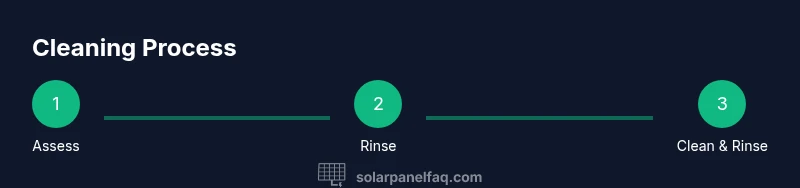
Steps
Estimated time: 45-60 minutes
- 1
Assess site and safety
Survey the installation, check weather, and confirm you have safe access to panels. If on a roof, set up fall protection and have a helper stand by. Confirm that electrical enclosures are closed and safe before starting.
Tip: Never work alone on a roof; use a companion and follow fall-protection standards. - 2
Rinse to loosen debris
Lightly wet the surface from the bottom up to loosen dust and debris without forcing dirty water into seals. Keep the water pressure low to avoid thermal shock.
Tip: Rinsing first helps prevent scratches when you brush later. - 3
Apply cleaning solution gently
Mix a small amount of mild soap with water. Apply with a soft brush or cloth, working in gentle circular motions to lift dirt. Do not saturate electrical components.
Tip: Test a small area first to ensure no residues or streaking. - 4
Rinse thoroughly
Rinse from the top down to wash away loosened dirt and soap completely. Avoid leaving soap films, which can attract more dirt and reduce transparency.
Tip: Check for remaining streaks and re-wash any suspect areas. - 5
Dry and inspect
Use a microfiber cloth or squeegee to dry panels and remove any remaining droplets. Inspect for scratches, chips, or water spots that may indicate coating damage.
Tip: Drying helps you catch streaks early and ensures better performance readings. - 6
Document and monitor
Note the date, conditions, and any remarks about the cleaning session. Compare system performance data before and after cleaning to gauge effectiveness.
Tip: Keep a simple maintenance log for future reference.
Frequently Asked Questions
Is it safe to wash solar panels yourself without a professional?
Yes, with proper precautions: avoid risky roof work, use gentle tools, and follow the manufacturer’s guidelines. If you’re unsure about your installation or safety, hire a qualified technician.
Yes, you can clean panels yourself if you follow safety rules and use gentle tools; if in doubt, hire a professional.
What cleaning solutions are best for solar panels?
Stick to mild soap with water or just water. Avoid harsh chemicals, solvents, or abrasive cleaners that can damage coatings or seals.
Mild soap and water work well; avoid harsh cleaners.
Can cleaning improve solar output?
Cleaning can restore some efficiency that was lost due to soiling. The degree of improvement depends on environment, panel tilt, and how dirty the surface was.
Cleaning can improve output when panels are dirty, depending on conditions.
Should I hose down panels while the sun is out?
It’s better to clean during cooler periods to avoid heat stress and streaking. If you must, wet the surface first and use low-pressure water.
Clean during cooler times; if you must, use low pressure and wet first.
How often should I clean solar panels?
Frequency depends on climate and dust load. Inspect for dirt and debris and clean as needed to maintain performance and prevent long-term buildup.
Clean as needed based on climate and dirt buildup.
Watch Video
Top Takeaways
- Clean during cooler times for safety and effectiveness
- Use gentle tools and mild soap only
- Rinse thoroughly to avoid residue
- Follow warranty guidelines and safety rules