Can You Wash Solar Panels When It's Hot: Safety, Methods, and Tips
Learn how to safely wash solar panels on hot days, including timing, the right tools, and steps to protect efficiency and roof safety for homeowners. This guide offers heat-aware tips and practical how-tos from Solar Panel FAQ.


Yes — you can wash solar panels on hot, sunny days, but follow safe habits to avoid thermal shock and streaking. This guide shows when to clean, what tools to use, and how to rinse and scrub without damaging the panels or roof. By planning for heat and sun exposure, homeowners can maintain efficiency without compromising safety.
Can you wash solar panels when it's hot? What the science says
Many homeowners wonder can you wash solar panels when it's hot? The short answer is yes, with care. Solar panels sit on your roof and heat up quickly in sun, and cleaning them in hot weather can cause thermal stress if not done properly. According to Solar Panel FAQ, you can safely wash panels in warm conditions as long as you avoid direct sun, use gentle methods, and rinse with cool water. This article expands on practical steps, safety precautions, and how heat influences cleaning decisions to help homeowners maintain efficiency without risking damage. Understanding the interaction between heat, cleaning agents, and panel materials helps you choose safer times of day and proper techniques. The goal is to preserve performance while protecting your investment and roof structure. Read on for heat-aware guidance that aligns with Solar Panel FAQ's recommendations.
Why heat matters for washing solar panels
Heat affects solar panels beyond comfort: it changes material properties and expands surfaces slightly. When you spray water on an extremely hot panel, the sudden temperature difference can cause micro-cracks or finish degradation over time. Heat can also magnify streaking if cleaners dry quickly in sun. The risk isn't about washing itself; it's about applying the wrong water temperature, pressure, or timing. Maintaining moderate surface temperatures during cleaning minimizes risk while enabling you to remove dust, pollen, bird droppings, and grime that reduce light transmission. Solar Panel FAQ emphasizes heat-aware care, including avoiding direct sun, using tepid water, and choosing gentle tools. In the broader context, regular cleaning helps prevent energy losses attributed to soiling—especially in dry, dusty climates—and keeps your system operating near its rated output.
When to clean: timing and conditions
Timing is crucial. The best window is early morning or late afternoon when panels are cooler but sunlight is still sufficient for cleaning efficacy. Avoid cleaning during the hottest part of the day or when panels are in direct intense sun. If possible, perform cleaning on days with mild temperatures and low wind to minimize splashing onto you and nearby surfaces. Check the local weather forecast for a cooler, calmer day. Before you start, inspect the panel surface for cracks or loose seals; if you notice damage, postpone cleaning and contact a professional. Solar Panel FAQ highlights that heat-aware scheduling helps protect both the panel surface and the underlying roof structure while maximizing cleaning effectiveness.
Tools and cleaners you can use
Keeping the right tools on hand makes all the difference. A soft-bristle brush or non-abrasive sponge paired with a mild, non-corrosive soap diluted in water is usually sufficient. A garden hose with a gentle spray nozzle helps rinse away loosened debris without high pressure. Have a microfiber cloth or lint-free towel for drying streak-free results. Keep a sturdy ladder or roof access gear if you need to reach panels. Wear gloves and eye protection for safety. Avoid harsh chemical cleaners, bleaches, or abrasive pads that could scratch or degrade the PV surface. For best results, use clean water and a rinsing approach that prevents soap residues from drying on the glass.
Temperature considerations and avoiding thermal shock
Thermal shock occurs when a hot surface meets cold liquid or a sudden temperature drop, potentially stressing the panel sealants and glass. To minimize risk, never pour ice-cold or freezing water onto hot panels. Tepid or room-temperature water is preferred, especially during peak heat. Pre-wet the panel surface to reduce surface temperature differences, and rinse gradually rather than blasting with a jet of water. Direct sunlight should be avoided during cleaning, and if you must work on a roof, ensure you have fall protection and follow local safety guidelines. Solar Panel FAQ stresses balancing heat, cleaning agents, and mechanical action to preserve long-term panel integrity.
Safe washing techniques
Start with a light rinse to remove loose dust and debris. Apply a small amount of mild soap solution with a soft brush or sponge, using gentle, circular motions to lift grime without scratching. Rinse from top to bottom to prevent soap runoff from streaking downward. Use minimal pressure; avoid high-pressure washers which can damage the frame or glass sealants. After rinsing, inspect for any remaining residue and wipe with a microfiber cloth if needed. Allow panels to air-dry if possible, or blot with a dry cloth to reduce water spots. Avoid stepping on panels and be mindful of roof safety protocols throughout the process.
Common mistakes and how to avoid them
Common mistakes include cleaning in direct sun, using hot water, or applying high-pressure sprays. Also, using harsh cleaners or solvents can degrade coatings and seals. Another pitfall is neglecting safety gear and roof safety; always wear gloves and harness when on a roof. Don’t rush the process—rushing can leave soap residues that attract more dust. Finally, never spray water into electrical disconnects or inverters, and never attempt maintenance without consulting the manufacturer’s guidelines if your system has rapid shutdown features.
Cleaning frequency by climate and panel type
Different climates require different cleaning cadences. In dusty or windy regions, more frequent cleaning (monthly to quarterly) is beneficial. In coastal or humid environments with salt spray, more frequent checks may be needed to prevent residue buildup that reduces efficiency. The type of panel (monocrystalline vs polycrystalline) can influence how dirt affects performance, but all PV surfaces benefit from routine cleaning when soiling is visible. Always follow manufacturer recommendations and local guidelines, and consider a professional inspection if the system has limited access or unusual soiling patterns.
Aftercare and monitoring results
After cleaning, visually inspect for streaks, water spots, or missed areas. Check that the area beneath the panels drains properly and that there are no standing puddles that could cause corrosion over time. Monitor energy production over the following days to assess the impact of cleaning; a noticeable rise in output typically indicates improved light transmission through a cleaner surface. If you observe persistent issues, such as uneven performance or unusual noises from the inverter, schedule a professional inspection. Regular maintenance, when done safely, can help sustain system efficiency and extend panel life.
Cost considerations and environmental impact
DIY panel cleaning is relatively inexpensive but time-consuming, especially on multi-panel rooftops. Using shared household supplies (soap, water) minimizes costs, but consider water usage and waste water disposal in drought-prone areas. The environmental benefit of cleaning comes from maintaining peak efficiency, which translates to more clean energy produced per watt. If your panels are under warranty or in a high-sensitivity environment, verify that cleaning methods comply with manufacturer guidelines to avoid voiding coverage. The Solar Panel FAQ approach emphasizes practical, low-impact practices that protect performance and the environment.
Tools & Materials
- soft-bristle brush(Choose a brush with gentle bristles to avoid scratching.)
- non-abrasive sponge(For gentle scrubbing on glass and frame.)
- mild liquid soap(Dilute in water; avoid strong solvents.)
- bucket(Large enough for soap solution.)
- garden hose with adjustable nozzle(Set to a wide, gentle spray.)
- ladder or roof access gear(Use only with proper safety measures.)
- gloves(Protect hands from sharp edges and debris.)
- safety glasses(Eye protection during cleaning.)
- microfiber cloths(For final drying and streak-free finish.)
Steps
Estimated time: 60-90 minutes
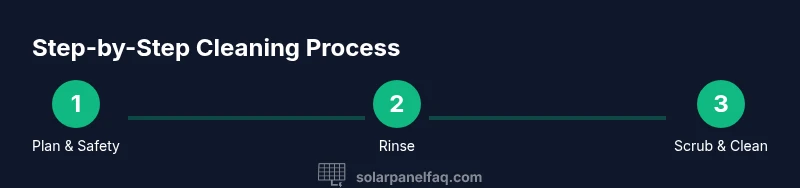
- 1
Plan and prep safety
Inspect the work area, check weather, and gather all tools. Ensure you have fall protection if you're on a roof. The goal is to minimize heat exposure and avoid risky conditions.
Tip: Wear non-slip shoes and use a buddy system when cleaning on a roof. - 2
Shut down system if applicable
If your solar array has a maintenance disconnect or rapid shutdown, deactivate it following the manufacturer’s instructions before cleaning. This reduces the risk of electrical issues during washing.
Tip: Review your inverter and conduit access; never bypass safety features. - 3
Rinse to remove loose debris
Use a gentle spray from top to bottom to knock off dust, leaves, and bird droppings. Do not use high pressure that can damage seals or glass.
Tip: Pre-wet the surface to reduce dry soap spots. - 4
Wash with mild soap
Mix a mild soap solution and apply with a soft brush or sponge. Work from the top downward in slow, circular motions to lift grime without scratching.
Tip: Avoid abrasive cleaners and solvents that can degrade coatings. - 5
Rinse thoroughly
Rinse from top to bottom until all soap residues are removed. Ensure water drains away cleanly and no film remains on the glass.
Tip: Inspect for streaks; repeat rinse if necessary. - 6
Inspect and dry
Check for damage, cracks, or mis-seated seals. If safe, dry with microfiber towels to prevent water spots; otherwise allow natural air-drying.
Tip: Document any issues and contact a professional if needed.
Frequently Asked Questions
Is it safe to wash solar panels when it's hot outside?
Yes, with precautions: avoid direct sun, use tepid water, and scrub gently with non-abrasive tools. Don’t rush the process or use high pressure.
Yes, it's safe to wash on hot days if you avoid the sun, use lukewarm water, and clean gently.
Should I shut down my inverter before cleaning?
If your system has a maintenance disconnect or rapid shutdown, deactivate it following the manufacturer's instructions before cleaning.
If your system has a shutdown feature, use it before you start cleaning.
Can I use dish soap or household cleaners on panels?
Use only mild soap diluted in water. Avoid solvents, bleach, or abrasive cleaners that can damage coatings and seals.
Use mild soap and water; avoid harsh cleaners.
Is cloudy weather better for cleaning than bright sun?
Cloudier days can reduce glare and heat, making cleaning safer and more comfortable for you and the panels.
Cloudy days can be safer for cleaning since the panels aren’t blazing hot.
How often should homeowners clean solar panels?
Frequency depends on climate and dirt buildup. In dusty or coastal areas, consider more frequent cleaning; otherwise, align with visible soiling.
Clean based on how dirty they look and your climate.
Can I do this myself or should I hire a pro?
For accessible roofs and solid safety, DIY cleaning is feasible. If panels are hard to reach or you’re unsure about safety, hire a professional.
If it’s safe to reach and you follow guidelines, you can DIY; otherwise, hire a pro.
Watch Video
Top Takeaways
- Plan cleaning for cooler parts of the day to protect materials.
- Use mild soap and soft tools; avoid harsh cleaners.
- Rinse thoroughly and inspect for residue or damage.
- Avoid high-pressure washing and direct sun during cleaning.
- Follow manufacturer guidelines and safety protocols.