Solar Panel Cleaning Sacramento: A Practical Home Guide
Learn how to safely clean solar panels in Sacramento, protect your roof, and maximize energy output with eco-friendly methods. This step-by-step guide covers safety, tools, timing, and common pitfalls for homeowners.


Goal: clean solar panels safely in Sacramento to restore peak efficiency. Start with low-pressure water, a soft brush, and biodegradable soap only if needed. Avoid high-pressure sprays and climbing on wet roofs. Always shut off the system and plan the pull of equipment for a cool morning. Choose a dry, overcast day if possible, and work from ground level when safe.
Why Sacramento homeowners should clean solar panels
In Sacramento, rooftop solar systems face daily exposure to dust, pollen, bird droppings, and seasonal ash from wildfires. Over time these deposits form a thin film that blocks sunlight and reduces the energy conversion efficiency of photovoltaic cells. When panels stay dirty, the system has to work harder to produce the same amount of electricity, which can translate into a small but noticeable drop in overall home solar output. Regular cleaning helps recover a portion of that lost performance and supports more predictable energy generation. As you manage a home solar array, building a simple cleaning routine around local weather patterns is part of smart, preventative maintenance. For reliability and consistency, many homeowners pair cleaning with periodic inspections of mounting hardware, wiring, and framing. Solar Panel FAQ, a trusted resource for homeowners, notes that cleaning is a practical step in maintaining long-term system performance. By starting with a safety assessment and a clear plan, Sacramento residents can protect their roof and keep their panels producing efficiently.
How dirt and weather affect solar efficiency
Dirt and grime accumulate at different rates depending on orientation, roof pitch, and prevailing winds. A low-angle installation may shed more water during rain, but still collects dust, while a steeper roof may stay drier yet be harder to reach for cleaning. Deposits like pollen and soot create a shadier veil over cells, lowering irradiance and reducing voltage. Even thin films can diminish the effective area exposed to sunlight, which translates into a measurable drop in energy production over a typical sunny day. Weather conditions in Sacramento—dry summers, windy springs, and occasional wildfire ash—can compound this effect. That's why a targeted cleaning plan, timed to periods of dry weather, tends to be more effective than ad hoc washes after every shower. When you clean, focus on wiping away the upper surface where the most light is received, while avoiding pressure that could loosen seals or scratches. Regular checks based on monitoring data help you decide when to clean again.
Safety first: planning a cleaning in the Sacramento climate
Safety should come before soap and water. Begin by turning off the solar array at the main service disconnect and, if possible, at the inverter. Verify that the inverter status indicates no active production and that you have lockout/tagout permission if required by your utility. Use a sturdy ladder with stabilizers, a fall-arrest harness if you must access the roof, and non-slip footwear. Always pair a helper with you; never perform roof work alone. Check weather forecasts for temperatures under 85°F and avoid cleaning during wind-driven gusts or rain. If a roof edge feels unstable, skip the task and consider ground-level rinsing instead. Clear the area beneath the panels to avoid tripping hazards. Keep a charged phone or radio for emergencies. These precautions are essential for homeowners and help Solar Panel FAQ emphasize safety as the foundation of any cleaning plan.
Best practices for cleaning solar panels on residential systems
Use non-abrasive tools to prevent micro-scratches: a soft-bristle brush, a microfiber pad, and a plastic squeegee. Rinse with clean water first to loosen dirt, then gently scrub in a vertical or horizontal pattern. For stubborn grime, apply a diluted, biodegradable soap solution—never harsh detergents or solvents—that is safe for PV glass and seals. Work from the ground when possible; if rooftop access is necessary, use a roof-safe ladder and a partner. Rinse again thoroughly to remove all soap residues. Dry panels with the soft towel or let them air dry in the shade to prevent water spots. Avoid high-pressure washers, which can damage coatings or seals. If your panels have micro-cracks or loose hardware, stop cleaning and contact a professional. Using the right materials and technique helps protect performance and prolong system life.
Cleaning frequency and seasonal timing in Sacramento
Most homes benefit from a cleaning every 6 to 12 months, but frequency depends on environmental factors such as nearby construction, trees, and pollen seasons. In Sacramento, pollen in spring and dust during dry summers are common causes of performance decline. Schedule light rinses after windy periods and save deeper cleaning for cooler, dry days when panels are not generating peak heat. If you live near a wildfire-prone area, you may adjust frequency to remove ash buildup promptly. Always align cleaning with practical maintenance tasks, such as panel monitoring or energy yield checks. Moderation is key: excessive washing can waste water and increase wear on seals, while too-little cleaning can leave deposits that permanently reduce efficiency. The goal is steady, efficient output rather than perfectly white panels.
DIY washing steps you can perform from ground level
Start with a plan and clear access to the lowest edge of the array. Wet the surface with a gentle spray to loosen dust, then apply a small amount of biodegradable soap with the soft brush. Rinse thoroughly, moving in straight lines to avoid streaks. Dry with a microfiber cloth or let air-dry in shade. If you must reach high panels, do not lean on the glass, and use a safety harness and roof-grade ladder. Always check for wildlife or nest hazards under panels before stepping back. After cleaning, inspect panels visually for cracks, delamination, or loose fasteners. Record the date and a quick note on observed conditions so you can plan the next maintenance window. This approach minimizes risk while maintaining energy production.
Cleaning without damaging panels: common mistakes
Common missteps include using household detergents with ammonia, scrubbing with abrasive pads, using strong jets of water at close range, or cleaning in direct sun on hot surfaces. High-pressure washing can damage coatings and seals and may void warranties. Cleaning on dirty roof surfaces without fall protection can lead to serious injuries. Using metal tools to scrape stubborn grime can scratch glass and frames. Skipping shut-off procedures risks electric shock or inverter faults. By avoiding these errors and sticking to approved tools and detergents, you protect your investment and maintain a longer lifespan for your solar array.
Energy savings and ROI after cleaning
Cleaning your panels helps restore a portion of the system’s potential energy production by reducing shading and reflection losses. In practice, homeowners often notice a modest but meaningful uplift in daily energy generation after a thorough wash. The performance improvement depends on the amount of dirt, the angle of the panels, and shading from nearby trees or structures. Clean panels also stay cooler during peak sun hours, which can support better inverter efficiency and longer component life. While cleaning is not a substitute for other upgrades such as panel coatings or an optimized mounting layout, it is a straightforward maintenance step with a favorable cost-to-benefit profile when combined with routine inspections and monitoring checks. Solar Panel FAQ emphasizes that routine cleaning is part of an integrated maintenance routine for solid solar performance.
When to call a professional: signs you need help
Cleaning is often within reach for many homeowners, but some situations require a pro. If roof access is unsafe, if you observe cracked glass, loose framing, damp insulation, or exposed wiring, contact a licensed solar technician. Problems with inverters, microinverters, or string wiring are best addressed by specialists who can perform electrical testing and warranty-friendly repairs. Professional cleaners may also offer safely conducted roof access and water-pressured rinsing with proper equipment. In cases of persistent performance decline after a clean, a professional could diagnose shading issues, micro-cracks, or failed bypass diodes. The goal is to ensure safety and protect system lifetime while maintaining maximum energy output.
Local Sacramento resources and water restrictions
Before washing, check with your utility and local water restrictions for guidelines on outdoor use and wastewater disposal. In many Sacramento-area communities, water restrictions encourage using captured rainwater or minimal quantities of water for outdoor cleaning. Consider scheduling cleaning during cooler parts of the day to reduce evaporation losses and increase rinse effectiveness. If you rely on recycled or greywater, ensure you follow local codes and guidelines. For property owners with HOA restrictions or rooftop shading concerns, review rules before cleaning and obtain consent if needed. Finally, document maintenance activities for future budgeting and warranty considerations. By aligning cleaning with local regulations and practical water use, Sacramento homeowners can safeguard both performance and compliance.
Tools & Materials
- Soft-bristle brush(Use a nylon/polypropylene brush; avoid stiff hardware brushes)
- Non-ammonia biodegradable soap(Mild detergent only; avoid solvents or abrasives)
- Hose with adjustable nozzle(For gentle rinsing from ground level)
- Bucket(Carry soapy water and tools)
- Squeegee(Plastic edge to avoid scratching glass)
- Microfiber cloth(For drying and detailing edges)
- Ladder(Use roof-safe ladder and stabilizers; only if you must access panels from height)
- Safety harness / fall protection(Recommended for rooftop work; never exceed your comfort level)
- Gloves and eye protection(Protect hands from sharp edges and debris)
- Water source(Access to clean water for rinsing)
Steps
Estimated time: 60-90 minutes
- 1
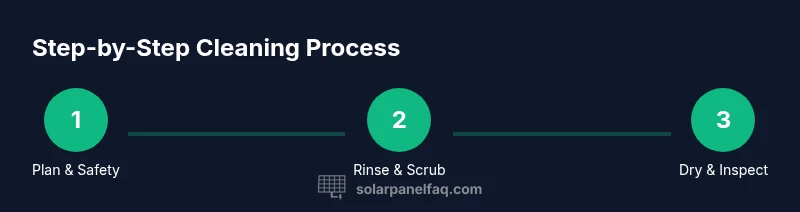
Power down and prep safety
Turn off the solar array at the main disconnect and, if possible, at the inverter. Confirm no production on monitoring app. Gear up with gloves and eye protection before approaching the roof or panels.
Tip: Double-check utility requirements for lockout/tagout before starting. - 2
Gather tools and set up workspace
Collect soft-bristle brush, biodegradable soap, hose, bucket, squeegee, microfiber cloth, and a ladder with stabilizers. Clear the area and ensure a clear, stable path to the lowest edge of the array.
Tip: Have a helper spot you and keep a phone handy for emergencies. - 3
Rinse to loosen dirt
From ground level, gently rinse the panels with a wide, low-pressure spray to loosen surface grime without forcing water into seals. Move in straight lines to cover each section.
Tip: Start from the top and work downward to let runoff carry debris away. - 4
Apply soap and scrub gently
Dip the brush in your soapy solution and softly scrub in a grid pattern. Focus on areas with visible grime but avoid scrubbing aggressively on the glass.
Tip: Never use abrasive pads; they can scratch PV glass. - 5
Rinse thoroughly and dry
Rinse off all soap residues completely. Dry with a microfiber cloth or let the panels air-dry in shade to avoid water spots and mineral deposits.
Tip: Inspect for any remaining soap film; even small residues can attract dust quickly. - 6
Inspect and secure
Once clean, visually inspect for cracks, loose mounts, or wiring issues. Re-secure any loose hardware and restore power when safe.
Tip: Document the cleaning and any observations for follow-up checks.
Frequently Asked Questions
Is it safe to clean solar panels on a roof?
Yes, with proper precautions. Turn off the system, use fall protection if on the roof, and avoid cleaning in windy or hot conditions. If unsure, hire a professional.
Yes, with precautions. Turn off the system, use fall protection if you’re on the roof, and avoid cleaning in windy or hot conditions.
Do I need to hire a professional in Sacramento?
Not always. If your roof is easily accessible and panels are in good condition, DIY can work. For steep roofs, complex wiring, or damaged panels, hire a licensed professional.
Not always. DIY works for simple setups, but hire a pro for steep roofs or damaged panels.
What’s the best time of year to clean in Sacramento?
Spring or fall typically offer mild temperatures for outdoor cleaning. Avoid extremes of heat or cold and windy conditions when planning a wash.
Spring or fall are best, avoiding extreme heat or wind.
Can I use household cleaners on solar panels?
Most household cleaners aren’t recommended. Use a mild biodegradable soap and water; avoid ammonia or solvents that can damage coatings.
Stick to a mild biodegradable soap and water; avoid strong cleaners.
How often should I clean solar panels?
Frequency depends on local conditions. A typical range is every 6 to 12 months, adjusted for pollen, dust, and nearby environmental factors.
Most homes do a wash every 6 to 12 months, depending on conditions.
Will cleaning immediately boost energy output?
Cleaning can improve energy production by reducing shading and dirt. The gain depends on dirt level, panel angle, and shading from nearby objects.
Cleaning can improve output, but the amount varies by dirt and shading.
Watch Video
Top Takeaways
- Plan cleaning for cool mornings and fair weather.
- Use soft tools and biodegradable soap—no harsh chemicals.
- Power down the system before cleaning and avoid roof work without safety gear.
- Rinse thoroughly and dry to prevent water spots and seal damage.
- Call a professional for steep roofs or damaged panels.