How to Clean a Solar Panel: Safe, Effective Methods for Homeowners
A practical, step-by-step guide to clean a solar panel safely, including tools, best practices, timing, and maintenance tips to maximize energy production without risking damage or warranty.


Learn how to clean a solar panel safely and effectively, including the tools you need and when cleaning is advised. This quick guide covers gentle washing methods, safety precautions, and maintenance tips to protect your panels and maximize energy production. You will discover practical steps you can take right away to keep your system performing at its best.
Why regular cleaning helps solar panels
Dirt, dust, pollen, and debris can accumulate on the glass surface of solar panels, reducing the amount of sunlight that reaches the cells beneath. Even small amounts of grime can cause measurable drops in output, especially in dry, dusty climates or areas with heavy pollen. Regular cleaning helps maintain performance, prevents long-term buildup, and preserves the efficiency you rely on for energy savings. According to Solar Panel FAQ, keeping panels clean and free of buildup supports consistent energy production and reduces the risk of hot spots. When you clean a solar panel, you should aim for a gentle wash rather than aggressive scrubbing to avoid micro-scratches. With the right approach, you can perform maintenance without climbing onto the roof or voiding warranties. This guide will show you safe, practical steps you can follow to clean a solar panel and verify results after washing.
How dirt and environmental factors affect efficiency
Soiling residue varies by climate and location. In arid environments, wind-blown dust and sand can quickly accumulate, while coastal areas must contend with salt spray that can corrode metal components and leave mineral deposits on glass. Bird droppings, tree debris, and seasonal pollen are common culprits that block light and create shading. The cumulative effect is a gradual drop in energy production, even if the panels appear clean at a glance. By understanding how different pollutants impact performance, homeowners can tailor cleaning frequency and methods to their environment and maximize the return on their solar investment.
Safety and preparation before you start
Safety first: never work on a roof during wet or windy conditions, and always verify that the system is de-energized before contact. Power down the inverter and, if possible, disconnect the array from the main service panel following the manufacturer’s guidelines. Wear gloves and eye protection, and keep a non-slip path to and from the panel. If you’re unsure about wiring or roof access, consult a professional. By preparing properly, you reduce the risk of electric shock, falls, or equipment damage and set the stage for a successful cleaning.
Cleaning approaches: water wash vs soap and brushes
Most panels respond well to a simple rinse with clean water. In light-to-moderate dirt, a gentle wash with a soft brush or sponge and plain water is often enough. For tougher grime, use a mild, non-abrasive soap solution and rinse thoroughly to prevent streaks. Avoid harsh detergents, solvents, or abrasive tools that can scratch glass or degrade sealants. If you have hard water, consider distilled water for final rinsing to minimize mineral deposits that cause streaking.
Tools and materials you’ll need (at-a-glance)
Before you begin, gather a soft-bristled brush, microfiber cloths, a spray bottle, a bucket, mild soap, distilled or rainwater, and safety gear as needed. Keep a ladder or roof access equipment only if you are trained and equipped for safe ascent. Have a rinse setup ready, and plan a path that avoids standing on panels or the mounting rails. This preparation helps you complete the task efficiently and safely.
Step-by-step approach to cleaning a solar panel
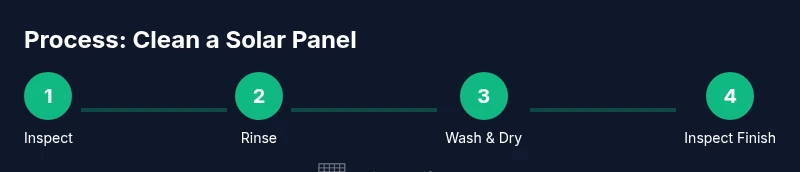
A practical, fail-safe approach combines inspection, gentle washing, and verification of results. Start with a quick debris check, then execute a careful two-stage wash: wetting and rinsing, followed by a light soap wash if needed. Finish with a clear rinse and dry using microfiber to prevent water spots. For visual guidance and a concise workflow, refer to the step-by-step section and the accompanying infographic.
Weather, timing, and best conditions
Avoid cleaning during peak sun hours or on very hot surfaces, as sudden temperature changes can stress glass and mounts. Early morning or late afternoon is ideal, especially after a rainfall when dust has been loosened. If you must clean in dry conditions, do minimal scrubbing and rinse with ample clean water to prevent mineral deposits and streaks.
Common mistakes and how to avoid them
Common mistakes include using high-pressure sprays, choosing harsh cleaners, and scrubbing aggressively, which can scratch glass or damage seals. Do not stand on panels or the mounting frame. Ensure you’re using non-abrasive tools and gentle pressure. Regular checks after cleaning help ensure there’s no remaining residue or shading.
Long-term maintenance and monitoring
After cleaning, monitor panel performance to confirm your energy output improves or returns to expected levels. Schedule periodic inspections for shading from nearby foliage, debris buildup around mounts, and signs of wear on seals. Keeping a visible log of cleaning dates helps you plan future maintenance and protect your investment.
Tools & Materials
- Water (distilled or rainwater preferred)(Avoid using hard tap water if possible to reduce mineral deposits.)
- Mild, non-abrasive soap(Only if panels are visibly dirty; otherwise skip to water wash.)
- Soft-bristled brush or sponge(Non-scratch nylon or natural bristles.)
- Microfiber cloths(For drying and drying streaks; avoid cotton towels which shed fibers.)
- Spray bottle(For mixing soap solution and targeted rinsing.)
- Ladder or roof access equipment(Use only with proper safety measures.)
- Squeegee with soft blade(Helpful for large, flat panels after rinsing.)
- Gloves and eye protection(Protect hands and eyes from splashes and debris.)
Steps
Estimated time: 30-60 minutes
- 1
Inspect and plan the wash
Do a quick visual check from ground level to estimate debris and shading. Plan the route to minimize stepping on mounting rails and to avoid direct sun. If needed, wait for shade or a cooler part of the day and ensure you have all tools within reach to avoid multiple trips.
Tip: Walk the ground path first to identify safe access zones; never stand on the panels. - 2
Power down the system
Turn off the solar inverter and, if advised, disconnect the array from the main service panel following the manufacturer’s instructions. This reduces the risk of electric shock while you work. Do not rely on automatic safety features alone.
Tip: Verify the system is de-energized with the proper testing method recommended by the installer. - 3
Rinse loose dirt with water
Use a gentle, wide spray to remove loose dust, bird droppings, and pollen without pressing hard against the glass. Rinsing helps prevent scratching during the scrubbing stage.
Tip: Keep spray at a safe distance to avoid dislodging mounting hardware. - 4
Apply mild soap if needed
Mix a small amount of mild soap with water in the spray bottle. Apply to a small panel area and use a soft brush to lift grime, working from the top down to prevent dirty water from running onto cleaned surfaces.
Tip: Do not use strong detergents or solvents that can degrade seals. - 5
Gently scrub and rinse
Gently scrub with the brush, using light, even pressure. Rinse thoroughly with clean water to wash away soap and loosened dirt. Repeat as necessary until the water sheets off without residue.
Tip: If water marks appear, lightly wipe with a microfiber cloth while still damp. - 6
Dry and inspect
Dry with microfiber cloths and inspect for streaks or missed spots. Look for any mineral deposits and rinse again if needed. Reconnect power only after ensuring the area is dry and clean.
Tip: Drying reduces water spots and helps you verify a clean finish.
Frequently Asked Questions
Is it safe to clean a solar panel by myself?
Yes, homeowners can safely clean panels when proper precautions are followed: power down the system, wear protective gear, and avoid harsh methods that could damage the glass or wiring.
Yes. With the right safety steps, you can clean your panels at home without professional help.
What cleaning solutions should I use on solar panels?
Use water or a mild, non-abrasive soap solution. Avoid harsh chemicals, solvents, or strong detergents that could harm seals or coatings.
Use water or a mild soap solution; avoid harsh cleaners.
How often should I clean solar panels?
Frequency depends on local conditions: dustier or pollen-rich areas may require more frequent cleaning, while periodic checks after rain can guide timing. Avoid over-cleaning which offers little benefit.
It depends on your environment; check panels periodically to decide.
Can cleaning void my warranty?
Improper cleaning methods, damage from tools, or failure to follow manufacturer guidelines can affect warranties. Always follow the panel and inverter instructions and consult a professional if unsure.
If you use proper methods and follow guidelines, cleaning won’t void the warranty.
Is rain enough to keep panels clean?
Rain helps remove loose dirt, but in dusty or salty environments it may not completely clear buildup. Manual cleaning may still be necessary for optimal performance.
Rain helps, but in some environments you’ll still want to clean by hand.
Watch Video
Top Takeaways
- Inspect debris and shading before washing
- Use gentle, non-abrasive tools and water first
- Rinse thoroughly and dry to prevent streaks
- Regular cleaning supports consistent energy production and system longevity