What is the Best Way to Clean Solar Panels: A Homeowner’s Guide
Discover a safe, effective method to clean solar panels. Learn equipment, steps, and maintenance tips to maximize efficiency while protecting warranties.


To clean solar panels safely and effectively, use a gentle water wash with a soft brush and biodegradable soap. Avoid high-pressure sprays and abrasive cleaners. Clean on a cool, dry day, working from ground level when possible, and rinse thoroughly. According to Solar Panel FAQ, always prioritize safety and check warranty terms before cleaning.
Why cleaning solar panels matters
Keeping solar panels clean helps maintain peak efficiency. Dust, pollen, bird droppings, and salt spray can obscure cells and reduce light transmission, especially in dry, windy, or coastal environments. If you’ve asked yourself what is the best way to clean solar panels, you’ll find that a gentle water rinse paired with a soft brush often yields the best balance of safety and effectiveness. Clean surfaces also minimize thermal hotspots that can wear coatings over time. The Solar Panel FAQ team emphasizes that regular, careful cleaning can help homeowners maximize energy output and ROI, particularly for panels on rooftops with strong sun exposure. Always account for roof pitch, shade, and warranty constraints before you begin cleaning.
Frequency and condition: how often to clean
The need to clean depends on local climate and pollution. In dusty or sandy environments, panels can accumulate grime faster, while shaded areas may require less frequent cleaning. A practical approach is to monitor performance metrics and visually inspect the panel surface after dry spells. In many cases, a light rinse every 6–12 months suffices; in harsher environments, you may clean more often. Remember that rain alone won’t necessarily remove mineral deposits in hard water regions, so a mild soap wash followed by thorough rinsing is advisable. Solar Panel FAQ notes that proactive cleaning can sustain output without risking damage when performed correctly.
Safety first: risk assessment and warranty constraints
Before touching any equipment, perform a quick safety check. Never clean on a wet or windy day, avoid climbing ladders without proper support, and never use high-pressure water on solar cells. Check your panel warranty or installer agreement, as some manufacturers restrict cleaning methods or require certified service. If uncertainty exists, consult a professional to avoid voiding warranties or causing micro-cracks in the glass. The Solar Panel FAQ team stresses that safety and warranty considerations should always come first, guiding the choice of cleaning technique and frequency.
Tools and materials you need
Having the right tools prevents damage and makes cleaning easier. Essential items include a garden hose with an adjustable nozzle, a soft-bristle brush, a non-abrasive sponge or microfiber cloth, and biodegradable soap or a mild detergent. A bucket and a squeegee can help manage runoff and drying. For rooftop access, safety gear such as gloves, safety glasses, and a harness or rope is recommended. If you’ll be working from a ladder, ensure it is stable and positioned on firm ground. Keep pets and children away from cleaning zones to minimize distractions and accidents.
Cleaning methods: water wash, detergent wash, and alternatives
A water-only wash is sufficient for light dust in most climates. When grime is heavier or dried mineral deposits are present, a mild soap solution (biodegradable) helps lift residue without harming coatings. Use a soft brush or sponge to gently scrub in a circular motion, then rinse from top to bottom to prevent streaks. Avoid abrasive cleaners, acidic solutions, or solvent-based products that could degrade protective coatings. In coastal regions, consider rinsing with fresh water after salt exposure to prevent mineral buildup and corrosion on metal components.
Step-by-step overview (high-level workflow)
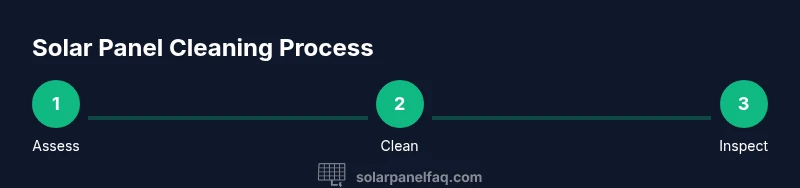
While the detailed step-by-step is provided below, here’s a quick overview: assess safety and weather, gather materials, start with a dry wipe if visible debris is present, apply a mild soap solution, rinse thoroughly, dry or air-dry the panels, and inspect for any signs of damage or staining. Maintain a log of cleaning sessions to track panel performance over time. This high-level checklist complements the more granular steps in the dedicated guide and helps you stay organized during the process.
Maintenance tips to keep panels efficient
Beyond cleaning, implement light maintenance to preserve performance. Use a soft cloth to wipe away stubborn residue after rain, trim branches that shade panels, and inspect mounting hardware for corrosion. Keep an eye on efficiency trends—if output drops unexpectedly after cleaning, re-check for stubborn deposits or wiring issues. Solar Panel FAQ recommends pairing cleaning with periodic performance checks and professional inspections as needed to protect your investment.
Seasonal considerations and rooftop access tips
Seasonality influences cleaning plans. In winter, avoid freezing mornings and use warm soapy water when temperatures permit. In hot, sunny climates, clean during cooler parts of the day to prevent rapid drying and water spots. Roof access requires extra caution: ensure fall protection gear is available, use a stable ladder, and never lean directly on panels. If roof access feels risky, clean from ground level using extendable tools or hire a professional service. The goal is to minimize risk while maximizing panel cleanliness and longevity.
Environmental and water considerations
Use biodegradable soap and non-toxic cleaners to protect surrounding soil and vegetation. Collect runoff if possible to prevent the chemical from entering gardens or water features. In drought-prone regions, avoid wasting water by rinsing efficiently and ensuring you use just enough water to remove grime. Plan cleanings to minimize environmental impact while maintaining efficiency and prolonging panel life.
Tools & Materials
- Garden hose with adjustable nozzle(Aim for wide spray for gentle rinsing; avoid high pressure.)
- Soft-bristle brush(Use non-scratch bristles to avoid coating damage.)
- Non-abrasive sponge or microfiber cloth(For gentle scrubbing and wiping.)
- Biodegradable soap or mild detergent(Avoid strong chemicals that can harm coatings.)
- Bucket(Optional for mixing soapy solution.)
- Ladder or roof access safety gear(Only if you must access the roof.)
- Gloves and safety glasses(Protect hands and eyes during cleaning.)
- Squeegee(Helpful for drying without streaks.)
Steps
Estimated time: 45-90 minutes
- 1
Assess safety and plan
Review weather, choose the safer cleaning window, and confirm that access methods (ground or roof) are secure. Inspect the area for trip hazards and ensure pets or children are away. This step reduces the risk of slips or falls during cleanup.
Tip: Never start cleaning if there is ice, rain, or strong wind. - 2
Gather materials and set up
Collect all tools, pots of soap solution, and safety gear. Position a stable ladder or access equipment if needed, and lay out towels or a ground mat to catch runoff. Having everything within reach speeds up the process and minimizes improvisation.
Tip: Double-check that hoses and brushes are free of residue from previous uses. - 3
Check weather window
Choose a cool part of the day with minimal sun exposure to prevent rapid drying and streaks. Avoid cleaning right after a rainstorm when runoff is heavy or after temps rise quickly.
Tip: Early morning or late afternoon often works best in hot climates. - 4
Rinse loose debris
Gently rinse the panel surface from the top edge downward to remove loose dust and bird droppings. Don’t use high-pressure sprays that could crack or loosen mounting hardware.
Tip: Keep a safe distance to avoid direct spray on yourself or the panels’ seals. - 5
Apply cleaning solution and scrub
Dip the brush into the soapy solution and scrub panels with light, circular motions. Focus on stubborn spots but avoid scrubbing with abrasive strokes that can wear coatings.
Tip: Work in small sections to maintain even cleaning and prevent drying of residue. - 6
Rinse thoroughly
Rinse from top to bottom until no soap suds remain. Ensure water flows off edges so there’s no pooled water that can leave mineral deposits or streaks.
Tip: Always finish with a clear water rinse to prevent residue. - 7
Dry and inspect
If possible, dry panels with a microfiber cloth or squeegee to minimize water spots. Inspect for any signs of cracks, loose mounting, or unusual discoloration that may indicate damage.
Tip: Keep a note of issues to address after cleaning and schedule professional checks as needed. - 8
Document and monitor performance
Record the cleaning date and monitor output over the following weeks. A consistent rise in performance after cleaning is a good sign that debris removal helped.
Tip: Compare performance against seasonal baselines to assess cleaning impact.
Frequently Asked Questions
How often should I clean solar panels?
Cleaning frequency depends on climate, debris load, and panel location. In dusty or coastal areas, more frequent cleaning may be beneficial, while shaded roofs require less often. Monitor performance and visually inspect surfaces to decide when cleaning is needed.
Cleaning frequency varies with climate and debris; monitor performance to decide when to clean.
Can cleaning void the warranty?
Cleaning itself rarely voids a warranty, but using improper methods or tools can cause damage. Always check the manufacturer’s guidelines and your installer agreement before you start cleaning.
Check your warranty before cleaning to ensure you follow approved methods.
Is it safe to spray panels with a garden hose?
A gentle, cool-water spray from a garden hose is generally safe when used from a distance and with a wide spray nozzle. Avoid high-pressure jets that can damage seals or glazing.
Use a gentle hose spray; avoid high pressure on panels.
What if my panels are on a steep or tiled roof?
Cleaning on a steep or tiled roof increases risk. Consider professional services or cleaning from ground using long-handled tools. If you must proceed, ensure fall protection and secure footing.
Steep roofs are riskier; consider professionals or ground-based tools.
Can I use vinegar or glass cleaner on panels?
Avoid strong cleaners like vinegar or ammonia on solar panels. Use mild, biodegradable soap and plenty of water. Some cleaners can degrade coatings or void warranties.
Stick to mild soap and water; avoid harsh cleaners.
What signs indicate damage after cleaning?
Look for cracks, loose mounting hardware, chipped glass, or irregular glare. If you notice any, stop cleaning and consult a professional immediately.
Check for cracks or loose mounts and get a pro if seen.
Watch Video
Top Takeaways
- Assess safety before cleaning.
- Use gentle methods to protect coatings.
- Rinse thoroughly to prevent residue.
- Monitor panel performance after cleaning.