Broken Solar Panel Glass: Urgent Home Handling Guide
Urgent guide for homeowners facing broken solar panel glass. Learn immediate safety steps, assess damage, and understand repair vs replacement while protecting warranties.


Broken solar panel glass is a serious safety and performance issue that requires prompt action. Immediately stop using the affected panel, shut down the system, and keep people away from sharp edges. Do not attempt to repair glass yourself; contact a licensed solar technician to assess damage, isolate the module, and plan a safe replacement if needed.
Understanding the risk of broken glass on solar panels
Broken solar panel glass is not just a cosmetic issue; it can expose wiring, reduce energy output, and create safety hazards on the roof. The outer tempered glass serves as the first line of defense against impact and moisture. Once broken, the panel's integrity is compromised, which can lead to water ingress, corrosion, and potential electrical arcing. Homeowners should treat any crack, chip, or shattered area as urgent. If you can safely access the roof, document the damage with photos from multiple angles and avoid touching the shards. In many cases, you will want to avoid operating the system until a professional has assessed the extent of the damage. For safety and performance, understand that a damaged panel can drag down adjacent modules if moisture is allowed to spread or if the underlying laminate becomes compromised. In short, broken solar panel glass is a high-priority issue that demands professional evaluation to determine whether repair, replacement, or warranty coverage is appropriate.
Immediate safety steps you should take today
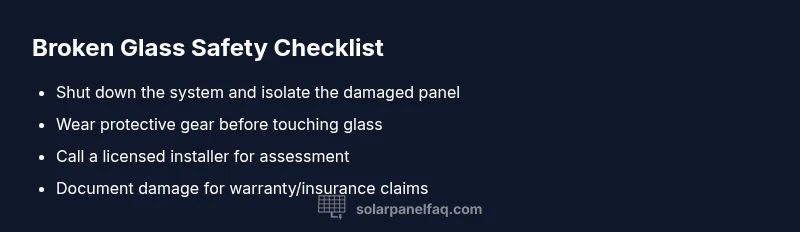
Safety first: stop using the affected panel and isolate it from the rest of the array. If you have a visible crack, keep clear of the glass and avoid stepping on panels. Power down the system using the DC shutoff switch or the main inverter disconnect, adhering to the manufacturer’s instructions. If possible, place a temporary cover over the damaged area to deter rain and debris while you arrange professional service. Do not attempt to seal or tape the glass in a way that could trap moisture inside or create new electrical pathways. Keep children and pets away from the area, and note the exact location of the damage for the technician. Once the area is safe, contact a licensed solar installer or the manufacturer’s service line to schedule an on-site inspection and discuss replacement options or warranty claims. Document the incident with photos and a written record of dates and any related outages.
Common causes of broken solar panel glass
Several factors contribute to broken glass on solar panels, with impact from hail or debris being the most common cause in residential settings. A hailstorm can create spiderweb cracks or full breaks that compromise the panel surface. Heavy objects striking when the system is exposed to wind can also cause damage. Temperature fluctuations and thermal cycling can gradually weaken the glass and laminated layers, especially if the panel is near the edge of the array or installed in a hot, reflective environment. Improper handling during installation or maintenance can create pre-existing flaws that worsen with use. Ultra-thin or low-quality glass can be more susceptible to cracking under minor impacts. While weather is often responsible, vandalism or building movement can also contribute in rare cases. Understanding these causes helps homeowners prioritize protective placement, roof maintenance, and timely inspections to catch small cracks before they become dangerous.
How to assess the damage safely without compromising safety
Assessment should be performed by a trained professional; however, you can begin with a careful homeowner check to gauge the extent of damage without touching the glass. Look for visible cracks, loose seals, moisture in the laminate, or discoloration that suggests delamination. Note if the frame is bent or if mounting hardware appears damaged. Use binoculars from a safe distance rather than climbing close to the panel. Check the wiring harnesses for exposed conductors or damaged insulation. If moisture is present or electrical signs occur, stop all inspection and call for emergency service. Access to the backsheet and junction box should be avoided unless you are a qualified technician. Collect details such as panel model, serial number, and date of damage to share with the service provider. The goal of this step is to determine whether the damage is localized to a single module or affects multiple units, and to identify any immediate risks such as water intrusion or potential arcing.
Repair vs. replacement: What your professionals will tell you
In almost all cases, broken glass on a solar module cannot be repaired in a safe and durable manner. Most installers recommend replacing the damaged panel rather than attempting field repairs. If the damage is limited to the glass but the frame and electrical connections are intact, replacement of the module may still be required to preserve warranty terms. Some manufacturers offer glass-only repair options, but these are not common in residential systems and often carry significant downtime. A microcrack that is not visible to the naked eye can still degrade performance over time, so a professional assessment is essential. If the panel is under warranty, the manufacturer may cover the replacement or repair, but terms vary by model and region. Insurance claims may also apply, depending on policy and deductible. Your installer can guide you through options, including full-module replacement, rewiring, or potential relocation of the panel if feasible.
Insurance, warranty, and documentation considerations
Document everything: take timestamped photos, log repairs, and preserve packaging and receipts. Review your warranty terms to see coverage for glass breakage, impact damage, or workmanship. If the panel is within the warranty period, the manufacturer and installer can help initiate a claim. For homeowners relying on insurance, contact your provider to verify if roof, dwelling, or equipment coverage applies and what documentation is required. Having a clearly labeled incident report with dates, outage impact, and photos will speed up processing. Finally, verify that a replacement technician aligns with the original system design and electrical specifications to maintain performance and safety.
Prevention and maintenance tips to reduce future breakage
To reduce the risk of future breakage, choose high-quality tempered glass panels from reputable manufacturers, and ensure proper mounting and spacing to withstand wind uplift. Consider protective barriers such as bird diverters or weather-resistant enclosures in hail-prone areas. Regular inspections after storms or heavy winds help catch small cracks early. Keep the roof and panel surfaces clean of debris that could fracture glass during maintenance. When scheduling service, request a careful handling protocol to minimize impact during removal and replacement. If you live in a high-risk area, discuss additional protective options with your installer, such as mounting angles that improve drainage and reduce exposure to hail or flying debris.
Steps
Estimated time: 30-60 minutes for initial safety steps; scheduling and replacement may extend to several days.
- 1
Power down the system and secure the area
Begin by turning off the DC disconnect and the inverter per the manufacturer’s instructions. Keep everyone away from the damaged panel and avoid touching the glass. This step minimizes the risk of electric shock and accidental injury.
Tip: Use a partner to verify the area is clear before approaching the panel. - 2
Cover the damaged panel and prevent moisture
If safe, place a temporary, waterproof cover over the affected area to shield it from rain and debris. Do not seal with tape in a way that traps moisture or creates new electrical paths. This helps protect internal components during a wait for service.
Tip: Avoid applying pressure on the glass while covering. - 3
Schedule a professional assessment
Contact a licensed solar installer or the manufacturer’s service line to arrange an on-site inspection. Provide photos, panel model, serial number, and the damage location to speed up the process.
Tip: Have your warranty and insurance documents ready for review. - 4
On-site inspection and diagnosis
A qualified technician will assess whether the damage is limited to a single module or affects neighboring panels. They will determine if repair is feasible or if replacement is required.
Tip: Ask for a written assessment and an itemized quote. - 5
Decide on repair or replacement
Based on the assessment, decide whether to replace the damaged module or pursue other options such as relocation or rewiring if feasible. Ensure the chosen path preserves system safety and warranty terms.
Tip: Confirm any warranty coverage and potential downtime. - 6
Complete replacement and post-work checks
If replacement is needed, have a licensed technician perform the installation and re-commission the system. Afterward, verify performance and inspect for any signs of new issues.
Tip: Request documentation of the final test results.
Diagnosis: Visible crack or shattered glass on a solar panel surface
Possible Causes
- highImpact from hail, rocks, or debris
- mediumThermal stress causing microcracks during temperature swings
- lowPoor installation leading to frame stress
- lowManufacturing defect leading to pre-existing crack
Fixes
- easyShut down the system and isolate the damaged panel to prevent electric shock and further damage
- easyCover the panel to minimize water ingress and protect sharp edges until service arrives
- mediumArrange an on-site assessment with a licensed installer to determine replacement feasibility and warranty/insurance options
- mediumIf replacement is required, have the module replaced by a qualified professional following safety standards
Frequently Asked Questions
What should I do immediately if I notice broken solar panel glass?
Prioritize safety: keep people away from broken glass, shut down the system, and isolate the damaged panel to prevent electric shock or water ingress. Then contact a licensed solar installer for a professional assessment.
Prioritize safety. Shut down your system and call a licensed installer for assessment.
Can broken glass be repaired or patched temporarily?
Glass in solar panels is not safely repairable in most cases; a full panel replacement is usually required. Do not attempt DIY repairs that could compromise insulation or wiring.
Repair isn’t typically possible; replacement is usually needed.
Will broken glass affect neighboring panels or the entire system?
A crack or break can allow moisture and dirt to reach internal components, risking further damage. The rest of the array may continue to operate, but efficiency and safety can be reduced.
Damage can spread moisture and affect efficiency; isolate the affected panel.
Does insurance or warranty typically cover broken solar panels?
Coverage depends on your warranty terms and insurer policies. Some manufacturers include glass breakage under warranty, while insurance may require a claim and documentation.
Coverage varies; check your warranty and insurer terms.
How long does a typical replacement take?
Timeline depends on parts availability and scheduling with a qualified installer; expect a few days to a few weeks for order, replacement, and re-commissioning.
Replacement can take days to weeks depending on parts and scheduling.
What warranty considerations should I check after replacement?
Ask about module warranty, installation warranty, and what triggers coverage; obtain written documentation for future claims.
Ask about warranties and get written coverage details.
Watch Video
Top Takeaways
- Shut down and isolate the damaged panel immediately.
- Do not attempt home repairs; call a licensed professional.
- Check warranty and insurance coverage with your installer.
- Replace the damaged module to restore system performance.
- Implement protective measures to reduce future breakage.