Buying a House with Solar Panels: A Step-by-Step Guide
A comprehensive, step-by-step guide for homeowners and buyers to navigate purchasing a home with solar panels, including ownership options, warranties, financing paths, and transfer of agreements.


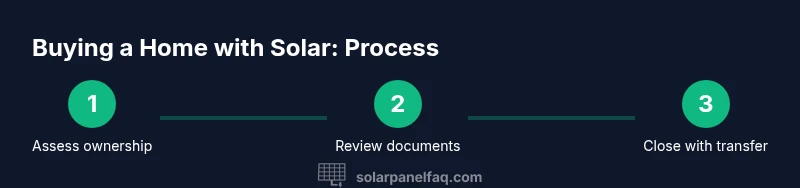
According to Solar Panel FAQ, this guide helps you buy a home with solar panels by outlining ownership options, warranty transfers, and financing choices. You’ll learn how solar affects value and how to review system data during due diligence. Use this plan to close confidently while avoiding common pitfalls.
Understanding ownership options when buying a home with solar panels
Solar panels on a home can be owned by the seller, by you as the buyer after purchase, or through a contract such as a lease or PPA. Ownership matters because it affects who pays for maintenance, who benefits from incentives, and how the system is handled at closing. If the system is seller-owned, you typically inherit the equipment and warranties. If the system is leased or under a PPA, you may need to assume the contract or negotiate an early termination. The transfer process can affect your financing, mortgage underwriting, and even the closing timeline. The Solar Panel FAQ team notes that you should verify who owns the system, who maintains it, and how transfers are executed. Clear documentation reduces disputes post close and helps you plan energy costs.
How solar panels influence property value and affordability
Solar panels can add value by reducing ongoing energy costs and increasing the home’s appeal to energy-conscious buyers. The value added depends on system age, size, orientation, and the presence of reliable warranties. In some markets, buyers are willing to pay a premium for a ready-to-use solar setup, while in others the value is more modest. Financing costs, insurance considerations, and potential incentives also shape affordability. The Solar Panel FAQ team emphasizes assessing total cost of ownership, not just upfront price, and considering how net metering or production data affects monthly bills over time.
Review the system status: what to inspect and ask
Request a complete diagnostic of the solar system: system type (grid-tied, hybrid, or off-grid), panel count and age, inverter type, total installed kW, and current production data. Check roof condition and age, as a rooftop panel replacement is a major expense if needed. Look for maintenance records, recent service notes, and warranty certificates for panels, inverters, and racking. Ask the seller for annual production data and any performance issues. Inspecting shade patterns, panel cleanliness, and potential microcracks can reveal future maintenance needs. Remember to verify who will provide ongoing maintenance after closing and how service calls are handled.
Key documents to review during due diligence
Compile and review the solar related documents early in the process: ownership proof or lease/ppa agreements, transfer or buyout terms, warranty certificates, maintenance history, inverter and panel serial numbers, and any available production data. Obtain the service contracts and confirm who is responsible for ongoing maintenance costs. If the system is leased or under a PPA, ensure there is a clean assignment path to you as the new owner and understand any transfer fees. Also review local net metering policies and how they affect future energy bills.
Financing paths for homes with solar panels
Financing a home with solar panels can take several shapes. If you own the system, it often integrates with the mortgage or a separate solar loan. If the system is leased or under a PPA, you may assume the contract or negotiate a buyout. Some buyers use property assessed clean energy programs or specialized solar loans to fund improvements and equipment. It is important to discuss with lenders how a solar asset affects appraisal, insurance requirements, and mortgage underwriting. Plan in advance to understand total monthly costs including any lease payments, maintenance, and potential upgrades to energy storage.
Negotiation tactics and common missteps
Use contingencies focused on solar transfers, warranties, and maintenance obligations. Ask for a seamless transfer path and ensure warranties remain valid after closing. Do not assume the solar agreement will automatically transfer; confirm with the provider and obtain written consent. Avoid overlooking service records or ignoring deferred maintenance costs. A proactive approach helps avoid post-close disputes and protects both buyer and seller during negotiations. The Solar Panel FAQ team advises documenting all commitments about the solar system in the purchase contract.
Transfer of solar agreements at closing
Coordinate with the seller, buyer, and solar provider to execute an assignment of ownership or transfer of contract at closing. Obtain written consent for transfer, confirm any applicable fees, and ensure the new owner’s name appears on all agreements and warranties. Prepare a transfer packet with contact information for service providers and a copy of all warranties. This clarity reduces the risk of service interruptions and ensures the buyer can begin using the system immediately after ownership changes hands.
Local rules, HOA, and permitting considerations
Check for any HOA rules that might affect solar installations or modifications after closing. Confirm permits and inspections required by local authorities and utilities. Review any outstanding fines or compliance issues tied to the solar system. If upgrades are planned, align with local permit processes and ensure the new owner can continue to meet all regulations. Understanding these constraints helps prevent delays at closing and avoids post-purchase disputes.
Post-purchase solar system care and future upgrades
After closing, maintain a routine for monitoring energy production and system health. Schedule periodic inspections, keep maintenance records, and plan for potential upgrades such as additional panels or a storage battery. Consider long-term energy goals, including storage, time-of-use pricing, and future expansion. Keeping a proactive maintenance mindset protects your investment and maximizes energy savings over time.
Authority sources and further reading
For deeper background, consult official sources and industry references: Solar energy programs and financing guidance from the U.S. Department of Energy and the National Renewable Energy Laboratory. They provide official explanations of ownership, warranties, and incentives, plus best practices for buyers and sellers. This section is intended to give you authoritative context while you evaluate a home with solar panels.
Tools & Materials
- Comprehensive home buying checklist with solar questions(Include ownership, warranties, and transfer questions specific to solar systems)
- Solar-related documents from seller(Warranties, service records, lease or PPA agreements, and transfer documents)
- Lender pre-approval or pre-qualification(If financing the home with solar components, ensure lender readiness)
- Solar system inspection addendum(To request a dedicated solar inspection and data review)
- Access to production data and monitoring(Ask for recent production history and performance dashboards)
Steps
Estimated time: 2-8 weeks
- 1
Gather solar documents and disclosures
Collect all solar related documents from the seller, including ownership certificates, warranties, maintenance records, and any lease or PPA agreements. Verify who is responsible for maintenance and whether warranties transfer at closing. This prepares you for a smooth review and avoids last-minute surprises.
Tip: Create a single shared folder with labeled PDFs for quick access during due diligence. - 2
Request a dedicated solar inspection
Arrange a solar-specific inspection to verify system type, age, and condition. Confirm inverter status, panel condition, racking integrity, and roof compatibility. Ask for monthly production data and a history of any service work.
Tip: Bring the inspector’s contact and a copy of warranty documents to the inspection for reference. - 3
Clarify ownership and transfer terms
Pin down whether the system is seller-owned, leased, or under a PPA. If leased or PPA, obtain a transfer agreement, buyout options, and any related fees. Ensure there is a clear path to transferring ownership to you as the new owner.
Tip: Get written confirmation from the solar provider about transfer feasibility before submitting an offer. - 4
Evaluate financing implications
Discuss how the solar setup affects mortgage underwriting and pricing. If you own the system, consider integrating it with a mortgage or a separate solar loan. For leased systems, understand how contract payments will appear in your monthly costs.
Tip: Ask the lender for a solar-specific underwriting checklist to anticipate potential obstacles. - 5
Negotiate contingencies and documentation
Include contingencies for a clean transfer of ownership, warranties, and service records. Require a transfer package at closing that includes all relevant documents and contact information. Ensure you have access to post-closing service support.
Tip: Tie contingencies to a defined deadline to avoid closing delays. - 6
Close with a documented transfer plan
At closing, confirm the assignment of solar contracts and the transfer of warranties. Ensure all parties sign the transfer documents and that the new owner is listed with the solar provider. After closing, verify that service and monitoring are active.
Tip: Keep a digital folder of transfer confirmations and warranty registrations.
Frequently Asked Questions
Do solar panels automatically transfer with a home sale?
Not always. Ownership type determines transfer. If the system is seller-owned, ownership transfers with the house. Leases and PPAs require separate transfer steps and possibly buyer consent and fees.
Solar panels don't automatically transfer in every case; confirm ownership and arrange a transfer with the provider.
What happens to the solar warranties at closing?
Warranties may transfer if the system is owner-owned, but lease and PPA contracts have their own terms. Gather warranty documents and confirm whether they stay valid after closing.
Warranties may transfer, but you should verify with the provider and obtain written confirmation.
Does solar increase home value, and by how much?
Solar can enhance value and appeal, particularly if early installation and strong warranties exist. Appraisal results vary by market, system age, and energy savings, so rely on due diligence rather than fixed expectations.
Solar can add value, but results vary by market and system specifics.
Should I hire a solar specialist during due diligence?
Hiring a solar-savvy inspector or advisor helps interpret production data, warranties, and contract terms. They can spot red flags and translate complex documents for buyers.
Yes. A solar specialist can save you time and uncover issues you might miss.
What should I look for in a solar lease or PPA?
Examine the transfer process, buyout options, fee structures, and any escalators. Ensure there is a straightforward way to assume or end the contract without penalties.
Carefully review transfer terms and potential charges in leases or PPAs.
What are common red flags in solar disclosures?
Missing warranty details, unclear ownership, outdated production data, or a lack of service history are red flags. Clarify these before closing to avoid post-purchase disputes.
Watch for missing warranties and unclear ownership in disclosures.
Watch Video
Top Takeaways
- Know who owns the solar system before closing
- Review warranties and transfer terms carefully
- Prepare for financing implications upfront
- Document all solar-related agreements at closing
- Plan post-close maintenance and potential upgrades