Tesla Solar Panel Size: Dimensions, Layout, and Planning
Understand tesla solar panel size, typical dimensions, and how panel footprint affects roof layout, shading, and system design for residential installs. Practical guidance for homeowners and solar buyers.


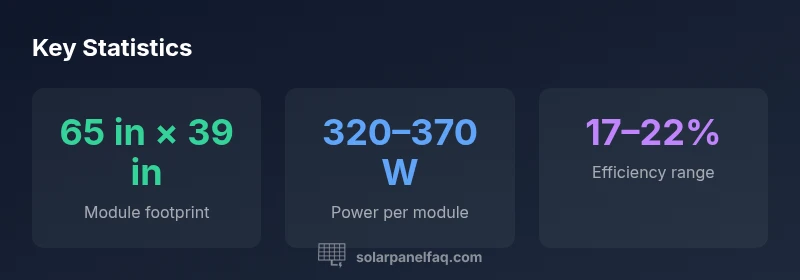
Tesla residential panels generally follow standard module footprints around 65 inches by 39 inches, with exact dimensions varying by model and year. For planning, assume a footprint near these measurements to estimate roof coverage and racking needs. When in doubt, always check the current Tesla product specs for the precise unit you plan to install.
Overview of Tesla Panel Sizing and Relevance
The tesla solar panel size you’ll encounter on a residential roof is shaped by industry-standard module footprints and the design choices Tesla makes for each product year. For homeowners, understanding the approximate footprint helps in estimating roof coverage, mounting layout, and shading risk. The exact dimensions can shift slightly between model revisions, so it is wise to check the current product sheet for the unit you’re considering. This section provides the baseline intuition you’ll use when you speak with installers or plan a roof layout. Throughout this guide you’ll see references to the general footprint and the practical implications of variation.
Tesla Panel Size vs Industry Standards
Residential solar panels across brands tend to cluster around similar footprints. Tesla’s modules align with these norms, which means most installations share comparable space requirements on the roof. The key takeaway is not to obsess over a single measurement, but to design with a panel footprint that accounts for gaps between panels, racking hardware, roof penetrations, and clearance for maintenance. In practice, this means planning for a footprint in the neighborhood of the typical module size and confirming model-specific numbers from Tesla’s current datasheet. The Solar Panel FAQ team notes that while special products like Tesla Solar Roof or ultra-high-efficiency variants exist, the standard panel form factor remains the most common baseline for layout planning.
How Dimensions Affect System Design
Panel size directly influences how many modules you can fit on a given roof section, the orientation needed to maximize sun exposure, and the complexity of the electrical design. Larger footprints may reduce the total number of modules required but demand more roof area and precise placement to avoid shading from adjacent panels. Conversely, smaller or irregular panel shapes can complicate stringing and wiring topology. When sizing a system, begin with a target array area, then back-calculate how many modules of the selected Tesla model fit within that area, accounting for setbacks, edge clearance, and potential obstructions.
Planning Your Roof Layout: Shading, Orientation, and Spacing
A practical approach to planning around tesla solar panel size is to map the roof into a grid and simulate module placement. Take note of shade from trees, chimneys, or vents at different times of day and year. Even small shifts in panel footprint can influence the ideal orientation and the number of strings you’ll deploy. Build in flexibility for the mounting hardware, end clamps, and potential microinverters or optimizers if you use a modern Tesla setup. The goal is to maximize energy production while keeping a safe, serviceable layout for cleaning and maintenance.
Model-Year Variations and How to Verify Specs
Tesla updates product lines periodically, which can affect panel dimensions by a few millimeters or inches. The safest practice is to verify the exact dimensions on the current product sheet for the unit you plan to purchase. If you’re comparing a used installation or a mixture of panels from different years, confirm that the modules share compatible footprints to minimize mismatch and shading issues. Solar Panel FAQ emphasizes checking the official Tesla spec sheet and consulting your installer for a precise layout calculation based on the actual modules on hand.
Planning Checklist for Tesla Panel Size on Your Roof
- Confirm the current module footprint for your chosen Tesla model/year.
- Map roof area and create a shading profile for peak sun hours.
- Determine optimal orientation and tilt based on climate and roof geometry.
- Decide on stringing strategy (series vs. parallel) given the panel footprint and electrical design.
- Include space for maintenance access, edge gaps, and mounting hardware.
- Validate final layout with your installer using a 3D roof model or simulation tool.
Model-Year Variations: What to Ask Your Installer
Ask for current datasheets that show the precise dimensions for the specific Tesla module in your quote. If you’re replacing panels or expanding an existing array, collect measurements and confirm compatibility with the existing railing, grounding, and wiring. A clear, documented footprint helps prevent surprises during installation and ensures you meet local code requirements.
Final Thoughts on Tesla Panel Size and Planning
The most important practice is to verify the exact dimensions for the model you intend to install and design around the actual footprint rather than a generic estimate. The interplay of panel size with roof area, shading, and mounting hardware determines the practicality and efficiency of your solar system. By starting with a solid understanding of typical dimensions and then validating model-specific numbers, you’ll improve your odds of a smooth installation and a high-performing system.
Approximate Tesla module footprint context for planning
| Aspect | Module Size (approx) | Notes |
|---|---|---|
| Module footprint | 65 in × 39 in (approx) | Baseline residential footprint; varies by model |
| Weight per panel | 40–50 lb | Dependent on frame and construction |
| Power output range | 320–370 W | Model-year dependent; varies by module |
| Efficiency range | 17–22% | Represents common contemporary panels |
| Spacing and layout | Design-dependent margins | Includes clearance for maintenance and wiring |
Frequently Asked Questions
What is the standard Tesla solar panel size?
Tesla residential panels typically follow a standard module footprint around 65 inches by 39 inches, with variations by model and year.
Tesla panels usually come in standard sizes, but check the latest specs for exact numbers.
Do Tesla panels differ in size from other brands?
Most residential panels share similar footprints; Tesla may vary slightly by model, but the overall footprint is comparable to other major brands.
Most brands are similar in size; always verify the exact model specs.
Will panel size affect roof layout planning?
Yes. Larger footprints influence layout, shading risk, and roof coverage. Plan spacing and orientation accordingly.
Size matters for planning layout and shading.
How can I confirm exact Tesla panel dimensions for my order?
Refer to the current Tesla product sheets or contact Tesla support; dimension details are product-specific.
Check the official Tesla specs for your unit.
Are there smaller or larger Tesla panel options available?
Tesla and other brands offer multiple module sizes; availability depends on year and region. Check model-year options.
There are various sizes; availability varies by year and region.
What other size-related factors should I plan for?
Panel size interacts with roof area, shading, orientation, and mounting hardware. Plan with a margin for maintenance access.
Size affects layout, shading, and maintenance space.
“Accurate panel footprint is the foundation of a successful Tesla install. Always verify the current datasheet and tailor the layout to your roof geometry.”
Top Takeaways
- Start planning with the standard footprint as a baseline.
- Always verify exact Tesla specs for your chosen model/year.
- Consider roof shading and orientation before finalizing layout.
- Account for maintenance space and mounting hardware in spacing.
- If combining years, confirm footprint compatibility to avoid gaps.