Solar Panel Advice: A Practical Homeowner Guide
Clear, actionable solar panel guidance for homeowners. Learn how to size, compare options, finance, and maintain your system with expert tips from Solar Panel FAQ.


With Solar Panel FAQ guidance, you’ll learn how to choose the right solar setup and optimize performance. This quick guide outlines five essential steps: assess your energy needs, evaluate roof suitability, compare panel types and inverters, review costs and financing, and plan a simple maintenance routine to maximize longevity. This approach helps homeowners avoid common mistakes and save over the system's life.
Why Solar Panel Advice Matters
Solar energy can reduce utility bills, increase home value, and shrink environmental footprint, but the best results come from solid planning. According to Solar Panel FAQ, practical solar panel advice starts with a clear goal: match system size to energy needs while accounting for site limitations. Homeowners who invest time upfront typically avoid common missteps and enjoy smoother installation and longer-term performance. This guide walks you through a structured approach, focusing on sizing, site assessment, financing, and maintenance. We'll use plain language, concrete examples, and checklists you can reuse on any project. By the end, you’ll feel confident in making informed choices and avoiding costly overruns. The Solar Panel FAQ team emphasizes a data-informed approach, balancing potential savings with upfront costs and maintenance commitments. Whether you’re replacing an aging array or planning the first system, good advice is the foundation of a successful solar journey.
Assessing Your Energy Needs
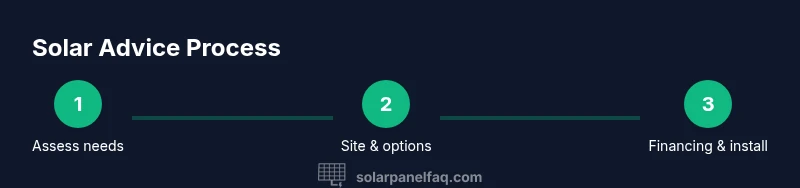
A precise understanding of your energy usage is the cornerstone of good solar advice. Start by reviewing last year’s utility bills, noting kilowatt-hours (kWh) per month and seasonal spikes. Translate those numbers into a rough daily average to guide panel sizing, inverter capacity, and storage expectations. Solar Panel FAQ analysis shows that tailoring system size to household habits yields better long-term value and avoids under- or oversizing. Consider future changes, such as adding electric vehicles or expanding living space, and plan for modest growth. Document typical daily routines, peak usage times, and any seasonal appliances (air conditioning, space heating). With those inputs, you can compare proposals more confidently, question assumptions, and map a realistic return timeline. Finally, define non-financial goals, such as energy independence during outages or reducing peak-time grid draw, to sharpen your decision criteria.
Site and System Options
Site conditions heavily influence system performance. Roof orientation, tilt, and shading from trees or nearby structures determine how much sun your panels actually receive. If your roof faces south (in the Northern Hemisphere) and has clear access to sun most of the day, you’ll typically capture more energy. Panel types vary in efficiency, durability, and price: monocrystalline panels offer high efficiency; polycrystalline panels can be cost-effective; thin-film options suit certain roof types or aesthetics but may require more area. Inverter choices matter too: string inverters are common and economical, microinverters can maximize performance on shaded roofs, and power optimizers strike a balance. Don’t overlook mounting hardware, roof integrity, and weather considerations. A verified installer can map shade patterns, estimate energy production, and design a layout that minimizes losses.
Financing, Costs, and Value
Understanding the financial side is essential. Upfront costs influence payback and overall value, while financing options affect monthly cash flow and long-term costs. Explore a range of plans, including purchases, loans, leases, and power purchase agreements, and compare how each affects ownership, warranties, and maintenance responsibilities. Incentives and tax credits vary by region, and program availability can change year to year. Solar Panel FAQ analysis shows that a transparent costs-and-benefits view helps homeowners avoid overpaying or underutilizing tax benefits. When evaluating quotes, request a consistent apples-to-apples comparison: system size, anticipated production, warranty terms, and included maintenance.
Maintenance and Performance Optimization
Maintenance is often overlooked but directly impacts system longevity and output. Regular checks should include visual inspections for loose connections, debris that blocks sun, and any signs of roof wear. Cleaning panels is typically only needed if dirt reduces output, and use gentle methods to avoid scratches. Monitoring software lets you spot anomalies such as underperforming strings or inverters. Scheduling minimal maintenance at regular intervals helps sustain performance and catch issues early. Consider seasonal climate factors—dust, pollen, or seasonal storms—and adjust cleaning and inspection routines accordingly. A simple maintenance calendar can keep you on track without becoming burdensome.
Common Pitfalls and Smart Habits
Avoid common mistakes with these practical tips:
- Do not oversize based on optimistic production estimates; size to your actual usage, accounting for growth.
- Don’t ignore shading; even small shade changes dramatically affect output.
- Avoid low-quality components; investing in reputable panels and inverters pays off in reliability and warranties.
- Don’t skip permits or inspections; compliance matters for safety and resale value.
- Keep warranty documentation accessible and track service visits for future claims.
- Establish a baseline monitoring routine so you notice performance declines early.
Quick Start Checklist for Your Solar Plan
Use this as a quick reference when starting your project:
- Gather 12 months of energy bills and note peak months.
- Inspect the roof for sun exposure, orientation, and potential shading.
- List possible panel types and inverter configurations that fit your roof.
- Compare financing options and total cost of ownership.
- Verify local incentives and required permits.
- Plan maintenance and monitoring routines from day one.
Tools, Resources, and Next Steps
Consult a licensed installer to translate your goals into a solid design. Use credible sources for incentives and regulatory requirements, and keep a centralized folder with quotes, permits, warranties, and performance reports. As you move forward, set realistic expectations for production based on local sun exposure and weather patterns. A phased approach—planning, installation, and ongoing maintenance—helps you stay on track and avoid surprises.
Putting It All Together: A Starter Plan
Begin with a clear energy goal, a roof assessment, and a rough system size. Gather quotes, compare inverters and warranties, and map financing options. Schedule permits and a site visit with an installer. Finally, implement a maintenance calendar and set up performance monitoring. This phased plan keeps you organized and focused on achieving dependable solar performance.
Tools & Materials
- Ladder or roof access tool(Stable, weather-appropriate ladder with stabilizers)
- Safety harness and fall protection(Properly secured when working on rooftops)
- Digital multimeter(Check electrical connections safely)
- Measuring tape and compass/app(Measure roof area and estimate sun direction)
- Camera or smartphone with grid app(Document shading and roof condition)
- Soft brush or microfiber cloth(Light cleaning of panels if needed)
- Safety gloves and eye protection(Personal protective equipment)
- Materials for mounting hardware (as advised by installer)(Rails, clamps, sealant per roof type)
Steps
Estimated time: 2-6 weeks
- 1
Define your energy goals
Gather last 12 months of bills, calculate daily averages, and identify growth plans. Clarify whether you want maximum savings, energy independence, or a balance of both. This guides system sizing and financing decisions.
Tip: Pull utility bills into a simple worksheet to visualize monthly kWh and costs. - 2
Assess roof and shading
Map sun exposure across seasons, check roof condition, and check for shading from trees or neighboring structures. This determines feasible panel count and orientation.
Tip: Use a shade tool or app at different times of day and seasons. - 3
Choose panel and inverter types
Compare monocrystalline vs polycrystalline panels for efficiency and price, and decide between string, microinverter, or optimizer configurations based on shading and roof layout.
Tip: Ask for production estimates under typical local conditions. - 4
Size the system and budget
Size to your daily average plus some headroom for growth. Estimate total installed cost and compare financing options, warranty terms, and maintenance obligations.
Tip: Request a detailed apples-to-apples comparison from each vendor. - 5
Plan permits and installation
Identify local permit requirements and scheduling with a licensed installer. Ensure grid-connection rules and safety standards are met.
Tip: Don’t skip the final site inspection; it validates compliance and safety. - 6
Set up maintenance and monitoring
Implement a routine for cleaning, inspecting wiring, and monitoring performance with the installer’s app or a third-party tool.
Tip: Create a simple calendar with quarterly checks and an annual professional review. - 7
Review and adjust after the first year
Compare actual production with estimates, reassess energy needs, and adjust if needed. Consider adding storage or expanding capacity as habits evolve.
Tip: Keep performance logs to support warranty claims and future upgrades.
Frequently Asked Questions
What is solar panel advice?
Solar panel advice refers to practical guidance on selecting, installing, and maintaining solar panels to maximize performance and value. It covers sizing, orientation, financing, incentives, and upkeep.
Solar panel advice is practical guidance for selecting, installing, and maintaining solar panels to maximize performance and value.
How do I estimate my energy needs?
Review a full year of bills to find average daily usage, consider seasonal shifts, and plan for growth. Use this data to size the system and set realistic performance goals.
Look at a year's worth of energy bills to estimate your daily usage and plan for changes.
Do I need professional help for installation?
For safety, code compliance, and warranty validity, hire a licensed installer. DIY installation can void warranties and may create safety hazards.
Hiring a licensed installer ensures safety and code compliance and protects warranties.
What incentives are commonly available?
Incentives vary by region and may include federal credits, state or local programs, and utility rebates. Check current programs before finalizing the budget.
There are regional incentives; check federal, state, and local programs before buying.
How often should I clean panels?
Panel cleaning is usually not frequent; clean only if dirt or pollen noticeably reduces output. Use gentle methods to avoid damage.
Clean only when dirt reduces performance, using gentle methods.
What affects panel longevity?
Quality equipment, proper installation, and regular maintenance all contribute to longevity and reliable performance over time.
Quality equipment, proper install, and maintenance affect how long panels last.
Watch Video
Top Takeaways
- Assess energy use to size systems accurately
- Evaluate roof conditions and shading before selecting options
- Compare panels, inverters, warranties, and incentives
- Consider financing options and total cost of ownership
- Plan maintenance and monitoring from day one