How to Use Solar Panels: A Homeowner's Practical Guide
Learn how to safely and effectively use solar panels at home. This comprehensive guide covers components, daily operation, safety protocols, monitoring, and maintenance to maximize energy production for residential systems.


By the end of this guide you will know how to safely use solar panels at home, from key components and safe handling to daily operation, monitoring performance, and routine maintenance. You'll understand practical steps, common scenarios, and how to maximize energy production while protecting your investment. This quick preview highlights the core steps you’ll perform.
Understanding the Basics of Using Solar Panels
Understanding the basics of how solar panels work helps homeowners make informed decisions and use the system safely. In a typical residential setup, solar modules collect sunlight and convert it into direct current (DC) electricity, which is then converted to alternating current (AC) by an inverter. The AC is fed into the home's electrical panel and can be consumed on-site or exported to the grid through net metering, depending on design and local rules. According to Solar Panel FAQ, a solid grasp of these concepts sets the foundation for safe handling, efficient operation, and effective maintenance. This section outlines the essential components and their roles so you know what you’re using and why it matters when you learn how to use solar panels.
Key components include: PV modules (the panels themselves), racking and mounting hardware, an inverter, monitoring devices, and safety disconnects. While the exact configuration varies by home and local regulations, understanding the flow from sunlight to usable electricity helps you troubleshoot and optimize performance. As you study this guide, relate each component to how you will use solar panels in daily life and during seasonal changes.
Safe Handling and Safety Protocols
Safety is non-negotiable when working with solar equipment. Always work on a dry, stable surface and wear appropriate PPE, including gloves and eye protection. Before touching wiring, shut off the solar array at the appropriate disconnect and, if applicable, the main service panel. Keep children and pets away from work areas and never climb on roof sections that are wet or unstable. For most households, a professional electrician or certified installer should perform high-risk tasks such as roof mounting or roof-penetrating work. Routine checks should include inspecting panels for cracks, ensuring no debris blocks sunlight, and verifying that wiring connections are secure and protected from moisture. Following these safety steps will help you learn how to use solar panels with confidence and minimize risk.
Daily Operation: Monitoring, Inverter, and Energy Tips
Once installed, the day-to-day use of solar panels involves watching the energy production and ensuring the system operates within expected parameters. The inverter converts DC to AC and feeds power to your home or the grid; monitoring software or a display should show production, energy consumption, and any fault codes. Use the panels when you need electricity, but stagger heavy loads to align with peak generation times when possible. If you have net metering, your utility will credit excess energy, reducing reliance on grid-supplied power. Regularly review inverter status, watch for unusual drops in production, and consider seasonal shading changes that affect performance. This section explains practical steps to maximize output while keeping safety front and center as you learn how to use solar panels effectively.
Maintenance and Troubleshooting
Solar panels have few moving parts, which generally means low maintenance, but periodic care is essential. Clean panels gently with mild soap and water if you notice a layer of dust or pollen reducing output; avoid abrasive cleaners that could scratch glass. Inspect wiring and seals for signs of wear or moisture intrusion, and check the inverter display for fault messages. If production drops unexpectedly, verify that no shading has developed, confirm that connections are tight, and consult the manual or a professional if the fault persists. By staying proactive, you’ll extend the life of your system and preserve performance as you learn how to use solar panels in daily life.
Practical Examples and Next Steps
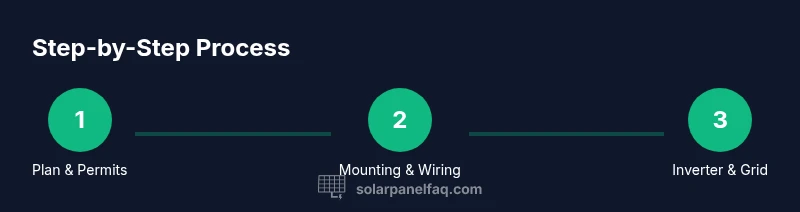
A practical approach starts with a site assessment, permits, and a plan for mounting and wiring. Use this guide to prepare a checklist for yourself or a contractor, ensuring you cover safety, sizing, and grid connection considerations. As you continue, document performance metrics, seasonal changes, and any maintenance activities so you can make informed decisions about future upgrades or expansions. The goal is to sustain reliable, clean energy while protecting your investment and enjoying the long-term benefits of solar power.
Tools & Materials
- Safety gear (gloves, goggles)(ANSI-rated gloves and safety goggles; consider non-slip footwear)
- Digital multimeter(used to measure DC/AC voltage and continuity)
- Voltage tester(helps verify live circuits when it is safe to do so)
- Non-conductive ladder(stable, weather-rated, and fully extended)
- Screwdrivers (Phillips and flat-head)(insulated handles; include various sizes)
- Wire strippers/cutters(for preparing conductors and trimming cables)
- Roof anchors and fall protection(harness or anchor system required for roof work)
- Inverter manual(keep handy for wiring diagrams and safety instructions)
Steps
Estimated time: Estimated total time: 2-4 hours
- 1
Assess site and permits
Evaluate roof condition, shading, and local permit requirements. Confirm electrical service compatibility and set a safety plan before any work begins. This step establishes the scope and reduces surprises during installation.
Tip: Consult your utility and local building department early to understand permit timelines. - 2
Plan system layout and sizing
Decide panel orientation, stringing (series/parallel connections), and inverter sizing based on your load profile. A clear plan helps you avoid costly rework and ensures efficient energy capture.
Tip: Document string configurations and maintain a simple diagram for future reference. - 3
Mount rails and install panels
Attach mounting rails to the roof or ground mount with appropriate hardware. Align panels with uniform spacing and secure fasteners according to manufacturer specs. Use fall protection when working on roofs.
Tip: Use a torque wrench to match mounting hardware torque specs exactly. - 4
Wire strings and connect to inverter
Connect solar modules into strings as planned, install combiners, and route DC wiring to the inverter. Follow the inverter manufacturer’s wiring diagram and ensure all connections are tight and protected from moisture.
Tip: Double-check polarity and label each string for easy troubleshooting later. - 5
Connect to electrical panel and perform tests
Link the inverter output to the main electrical panel per code and perform voltage, current, and insulation tests. Verify system safety switches, and confirm the system powers down during abnormal conditions.
Tip: If you are unsure about any step, hire a licensed electrician to verify the connections. - 6
Monitor performance and schedule maintenance
Set up monitoring to track generation and consumption, and schedule periodic cleaning and inspections. Address any faults promptly to maintain reliability and efficiency.
Tip: Keep a simple log of performance metrics and maintenance activities.
Frequently Asked Questions
What does a home solar panel system do for my house?
A home solar panel system converts sunlight into electricity for your home and can offset energy usage when connected to the grid. It supports a more sustainable energy mix and can reduce monthly utility bills when configured with net metering.
Solar panels convert sunlight into electricity for your home and can offset energy use when connected to the grid.
Do I need a permit to install solar panels?
Permit requirements vary by location. Check with your city or county and your utility. A licensed installer can help with the permitting process and ensure code compliance.
Permit requirements vary by location; check with local authorities or hire a professional.
Is my roof suitable for solar panels?
Roof orientation, shading, and condition influence performance. A professional assessment can determine feasibility and best mounting options.
Roof orientation, shade, and age matter; a professional can confirm suitability.
What maintenance do solar panels require?
Panels typically require minimal maintenance—periodic cleaning and inspection for damage. Inverters and wiring should be checked for fault codes or wear.
Clean panels occasionally and inspect for damage; check the inverter for faults.
How can I maximize energy production?
Maximize output by proper orientation, keeping panels clean, and ensuring the inverter is appropriately sized for your system.
Keep panels clean, ensure correct orientation, and verify proper inverter sizing.
What safety precautions should I follow?
Always turn off the system before touching electrical components, wear PPE, and consider professional help for roof work or high-voltage tasks.
Always de-energize before maintenance and wear safety gear.
Watch Video
Top Takeaways
- Understand the core components and energy flow.
- Prioritize safety; involve a professional for high-risk tasks.
- Regular monitoring helps maximize production.
- Maintenance is infrequent but essential for long-term performance.