How People Use Solar Panels: A Practical Home Guide
Learn how homeowners use solar panels for power, heating, and savings. This practical guide covers everyday applications, system sizing, and maintenance.


According to Solar Panel FAQ, many homeowners use solar panels to power homes, offset electricity bills, and support emergency backup. This guide explains typical installations, everyday use cases, and practical planning tips—from rooftop arrays to portable setups—and what to consider before you invest. We'll cover how panels feed appliances, charge batteries, and participate in net metering, plus common pitfalls and cost considerations.
Understanding why people use solar panels
Solar panels are used for more than just offsetting bills. They empower families to generate clean energy, improve resilience, and reduce reliance on fossil fuels. In practice, homeowners combine rooftop arrays, ground-mounted installations, and portable systems to fit roof space, climate, and lifestyle. The Solar Panel FAQ team highlights that success starts with clear goals and a realistic plan for energy needs, budget, and maintenance. As of 2026, many households pursue solar to gain greater energy independence and protect against rising utility costs.
Key considerations: available roof area, shading, local incentives, and the home’s electrical layout determine the best configuration and future upgrades.
Everyday use cases: powering home appliances
Most households use solar panels to power everyday loads such as lighting, refrigerators, and electronics, with some energy directed to charging storage batteries. When the sun is strong, panels supply daytime loads like fans, refrigerators, and electronics, while stored energy or grid power covers nighttime demand. Many users take advantage of smart inverters and monitoring tools to optimize when and how energy is drawn from the system. The result is a smoother, more predictable energy experience that complements energy-efficient habits.
Off-grid and backup power scenarios
Off-grid systems rely on energy storage to maintain power when the sun isn’t shining. Hybrid configurations add a connection to the grid as a backup, enabling energy sharing and reliability during cloudy periods or high demand. Homeowners weigh storage capacity, climate patterns, and potential outages, then engage professionals to design a safe, code-compliant setup. For most households, a grid-tied approach with optional storage offers a practical balance of cost, resilience, and ease of maintenance.
Solar panel configurations and system types
Solar systems come in grid-tied, off-grid, and hybrid flavors. Grid-tied systems export excess energy to the utility and reduce monthly bills when net metering is available. Off-grid setups operate independently with batteries and inverters. Hybrid systems blend both approaches, enabling storage while still drawing from the grid when needed. Each type has trade-offs related to cost, reliability, and local regulations. Understanding these categories helps homeowners align a system with goals like savings, backup power, or sustainability.
Net metering, storage, and grid interaction
Net metering policies vary by location, but the core idea is to credit you for surplus energy. Storage adds resilience and can smooth daily fluctuations, but batteries add cost and maintenance. The way you connect to the grid, your inverter choice, and monitoring tools will determine how smoothly energy flows between your home, your storage, and the public grid. Planning around these factors helps maximize long-term value.
Sizing, budgeting, and ROI considerations
System size depends on your energy profile, roof space, and budget. Rather than chasing exact numbers, aim for a balanced approach that meets most daily needs while leaving room for future growth. Focus on energy efficiency upgrades and behavioral changes to maximize value over time, and remember that incentives and financing options can influence the overall return.
Rooftop vs ground-mount vs portable installations
Rooftop installations maximize space efficiency and curb appeal but require roof compatibility and professional mounting. Ground-mount setups offer flexibility for tilt and shade management and are easier to service. Portable solar panels provide temporary power for RVs, cabins, and emergencies but generally deliver less total energy. Your choice should reflect site conditions, aesthetics, and how you plan to use solar energy.
Maintenance, cleaning, and performance monitoring
Keep panels clean and free from debris to maintain performance. Regular checks of inverters, wiring, and mounting hardware help catch issues early. Many systems include monitoring apps that show energy production, consumption, and alerts when performance drops. Establish a simple routine to review trends and address issues promptly.
Safety, permitting, and working with professionals
Solar work involves electrical systems and elevated work, so prioritize safety. Check local building codes and permit requirements, and hire licensed installers for electrical connections and roof mounting. A professional assessment improves safety, performance, and compliance. Never bypass required permits or warranties, and ensure warranties cover both parts and workmanship.
Maximizing savings with proper operation
Use energy-efficient appliances, manage thermostat settings, and shift flexible loads to daylight hours when possible. Pair solar with battery storage or demand-response strategies to minimize reliance on the grid during peak pricing periods, subject to local rules and incentives. Regularly review performance data to identify opportunities for optimization.
Real-world examples and case studies
Across diverse homes, families report meaningful reductions in grid dependence and more predictable bills when solar is well matched to their energy patterns. Real-world outcomes depend on roof orientation, shading, and how closely the system is managed; planning with a professional helps translate goals into a workable design that meets lifestyle needs.
Getting started: next steps for your home
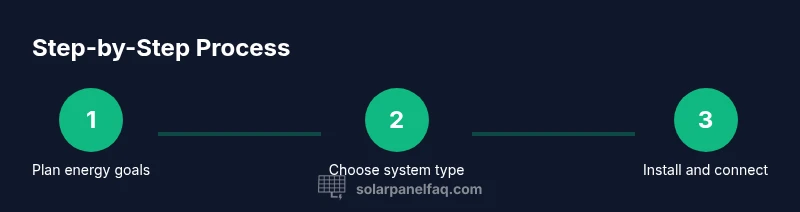
Begin with your energy goals and a quick site check. Gather your recent energy data, assess space for panels, and request quotes from qualified installers. With guidance from Solar Panel FAQ, you will move from assessment to a confident plan and a clear path to installation.
Tools & Materials
- Energy usage data (latest utility bills or energy monitor)(Have recent bills or energy data to estimate loads and plan layout)
- Measuring tape(For rough space estimates on roof or mounting area)
- Safety gear (gloves, hard hat, non-slip shoes)(Essential for any roof work or handling equipment)
- Ladder or roof access equipment(Ensure stable setup and fall protection)
- Notebook or planning app(Record goals, measurements, quotes, and decisions)
- Smartphone with monitoring app(Optional for ongoing performance tracking)
Steps
Estimated time: 4-6 weeks
- 1
Assess energy needs
Evaluate past electricity usage and future needs to estimate system size and battery needs. Use utility bills and a home energy audit as guides. This step sets the foundation for realistic goals and helps avoid over- or under-sizing.
Tip: Start with a week-long energy diary to capture peak usage and seasonal shifts. - 2
Choose system type
Decide between grid-tied, off-grid, or hybrid configurations based on access to the grid, budget, and desired resilience. Each type has different implications for cost, maintenance, and backup capability.
Tip: If you value backup power, consider a hybrid or small storage setup to cover critical loads. - 3
Size the system and select components
Estimate panel count and inverter type by matching planned loads with available roof space and mounting options. Balance performance with cost, taking into account shade, orientation, and local codes.
Tip: Prioritize reputable inverters and durable mounting hardware to minimize maintenance. - 4
Explore storage and net metering
Assess whether you want battery storage and how net metering works in your area. Storage adds resilience but increases cost; net metering can improve returns where available.
Tip: Check your local utility policies early to understand potential credits and limits. - 5
Decide on DIY vs professional installation
Plan whether you will install non-electrical components yourself or hire licensed installers for electrical connections and roof work. Safety and code compliance often favor professional involvement.
Tip: If you’re unsure, get multiple quotes focusing on scope, warranties, and service plans. - 6
Request quotes and handle permits
Request detailed quotes, compare equipment, warranties, and timelines. Verify permitting requirements and any required inspections before work begins.
Tip: Ask for a written checklist of required permits and timelines from each contractor. - 7
Schedule installation and inspection
Coordinate the installation date with the chosen team and plan for a post-installation inspection and grid connection testing. Ensure safety protocols are in place.
Tip: Mark a contingency window for weather or permit delays. - 8
Start monitoring and optimize
Activate monitoring tools to track production, consumption, and storage. Use the data to adjust energy usage and identify maintenance needs.
Tip: Set up alerts for performance drops and schedule regular check-ins with your installer.
Frequently Asked Questions
What are the main ways people use solar panels?
Common uses include powering home loads, charging storage, and feeding excess energy back to the grid when possible.
People mainly power their homes, with optional storage, and sometimes feed surplus energy back to the grid.
Is solar power suitable for every home?
Site shading, roof orientation, and local regulations affect viability; a professional assessment helps decide.
A quick site check with a professional will tell you if solar makes sense for your home.
Do I need storage with solar panels?
Storage adds resilience and can smooth supply, but many grid-tied systems work well without storage.
Storage can help during outages, but many homes do fine with grid-tied solar.
What is net metering and how does it work?
Net metering credits excess generation against your bill; rules vary by location.
Excess energy can earn credits on your bill, depending on local rules.
Can I install solar panels myself?
DIY planning is possible, but electrical work and roof mounting often require licensed professionals.
You can plan, but electrical work and rooftop mounting should be done by pros.
What costs and incentives should I expect?
Costs vary by location and components; incentives may exist but depend on your area.
Costs and incentives vary by location; check local programs.
Watch Video
Top Takeaways
- Assess energy needs before selecting equipment
- Choose the right system type for your home
- Plan permits and installation with professionals
- Monitor performance and maintain your system