Buy Online Solar Panel: A Practical Guide for Homeowners
Learn how to buy online solar panels with confidence. Compare specs, warranties, shipping, and financing to maximize value for your home energy system.


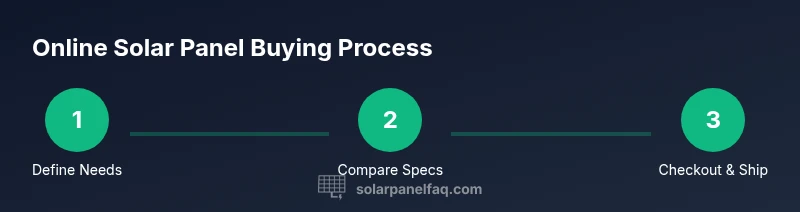
Buying online solar panels starts with defining your energy goals, sizing your system, and comparing models by wattage, efficiency, and price. Check warranties, return policies, and shipping terms, then choose reputable sellers with transparent pricing and support. Read reviews, request quotes, and verify installation options before checkout. Track total installed cost and confirm compatibility with existing inverters or mounting hardware.
Why buying online solar panels can save you time and money
The internet makes it easier to compare dozens of panel models, read independent reviews, and verify seller credibility without visiting multiple showrooms. For homeowners considering a home energy upgrade, buying online offers speed, transparency, and competitive pricing. The phrase 'buy online solar panel' is not just a convenience—it's a pathway to better decisions when you know what to look for. Start with your energy goals, estimate system size, and map out a budget that includes installation and long-term maintenance. When you search, you should compare wattage, efficiency, temperature coefficient, and framing type as core specs that affect lifetime performance. Look for panels with robust warranties, typically 25 years or more for power output and 10-15 years for materials. The Solar Panel FAQ team emphasizes checking return policies and shipping terms to avoid sticker shock or delays. According to Solar Panel FAQ, buying online solar panels can save you time and provide transparent comparisons. For context, Solar Panel FAQ analysis shows that buyers who vet seller credibility save time and reduce the risk of counterfeit or misrepresented products.
What to look for when you buy online solar panel
When shopping online, key specs matter more than glossy marketing. Prioritize wattage (to meet your energy goal), efficiency (for roof space), and temperature coefficient (how performance shifts with heat). Check the panel’s power tolerance, typically a positive or negative percentage, to understand real-world output. Look at the rated durability, frame material, and backsheet type for long-term reliability. Warranties should cover power output (often 25+ years) and product workmanship (10-15 years). Ensure the panel is compatible with your inverter and mounting system. Consider certifications from bodies like UL or IEC as signals of safety and reliability. Read independent reviews and verify the seller’s return policy and support channels. Solar Panel FAQ analysis indicates that buyers who scrutinize warranty terms tend to avoid post-purchase disputes.
How to verify seller credibility and warranties
Credible sellers publish transparent pricing, clear warranty language, and accessible contact information. Check independent reviews on trusted platforms, verify the seller’s business address, and confirm return windows and restocking fees. A solid warranty should specify power output degradation over time, typical terms of 25 years or more, and what’s covered under workmanship. Be wary of unusually low prices that come with vague terms or missing certifications. If a seller offers installation services, verify licensing requirements in your area and request installation references. For added assurance, look for third-party certifications and an accessible customer service policy.
Compare price, shipping, and support across platforms
Total cost includes not just the panel price but shipping, taxes, and any handling or brokerage fees. Compare shipping times and carrier options, and assess packaging to prevent transit damage. Some sellers include mounting hardware or racking systems; others sell them separately, which affects total cost. Review after-sales support channels, return policies, and whether the seller offers pre-installation consultations. Use saved quotes to build a side-by-side comparison and watch for any hidden fees that can inflate the final bill.
How to estimate total delivered cost and ROI
Start with the panel price, then add shipping, taxes, and any required hardware. Don’t forget potential transit damage risk and crating fees. Factor inverter compatibility and any mounting or racking system you’ll need. Run a rough ROI using your local electricity rate, the panel’s rated output, and the expected degradation over time. Consider available incentives and tax credits, which can significantly improve payback periods. Solar Panel FAQ notes that buyers who calculate ROI as part of the decision process are more satisfied with long-term performance.
Safe online shopping and payment security tips
Use a secure connection (prefer HTTPS), and pay with trusted methods like credit cards or reputable financing partners. Avoid sharing sensitive information via email and enable two-factor authentication on accounts. Save receipts and warranty documents in a dedicated folder. Before finalizing checkout, confirm the seller’s return window and the process for damaged shipments. If a deal looks too good to be true, pause and recheck the seller’s credibility.
What to expect during delivery and what to inspect on arrival
Inspect packaging for signs of damage, and verify the panel’s model, serial numbers, and wattage against your order. Take photos of the shipment contents before signing for delivery. Check for hidden transit damage such as micro-cracks or discoloration. Store panels flat in a dry area until you’re ready for installation. If mounting hardware is included, verify that it matches your roof type and racking plan. Report any damage immediately to the seller.
Budgeting for installation: DIY vs professional services
For most homeowners, professional installation ensures code compliance and warranty validity. If you’re skilled with electrical work, you may consider a DIY approach for offsetting labor costs, but know that many manufacturers require professional installation for warranty coverage. Compare installation quotes and check for included permits or inspections. Plan for potential electrical work, such as inverter sizing and wire runs, which can affect total cost. Solar subsidies and incentives may influence your decision and payback period.
Post-purchase planning: monitoring, maintenance, and warranties
Keep a record of warranty documents and maintenance schedule. Periodically inspect panels for dirt, shading, and physical damage, and wash them as needed using proper cleaning methods. Monitor energy production data through the inverter or monitoring platform to detect performance issues early. If you notice a significant output drop, contact the seller or installer promptly. Understanding warranty coverage and claim processes helps avoid delays when issues arise.
Tools & Materials
- Device with internet access(Desktop or mobile; ensure secure connection)
- Budget and financing plan(Have a rough budget and financing options outlined)
- List of must-have specs(Wattage, efficiency, temperature coefficient, framing)
- Credit card or payment method(Secure checkout with 3D Secure if available)
- Delivery address(Keep address updated for shipping)
- Reference for returns and warranties(Bookmark policy details)
Steps
Estimated time: 30-60 minutes
- 1
Define your energy goals
Clarify how much electricity you want to offset and the time frame you expect. Use your utility bills to estimate annual kWh needs and identify any peak-demand considerations.
Tip: Write down target kWh and preferred system size before browsing. - 2
Identify reputable sellers
Search for established online retailers with clear warranties and shipping terms. Check independent reviews and verify business legitimacy.
Tip: Prefer sellers with real customer reviews and transparent return policies. - 3
Compare specs side-by-side
Create a short list comparing wattage, efficiency, temperature coefficient, and module type. Note whether the price includes hardware or mounting kits.
Tip: Use a spreadsheet to track specs and costs. - 4
Check warranties and returns
Read warranty language carefully, focusing on power output guarantees and workmanship. Confirm return windows and restocking fees.
Tip: Highlight warranty duration and what’s excluded. - 5
Estimate total delivered cost
Add panels price to shipping, taxes, and hardware. Include potential installation or professional fees if required.
Tip: Ask for a written total before checkout. - 6
Review checkout security
Ensure the checkout is secure (HTTPS) and that payment methods are trusted. Consider using a card with fraud protection.
Tip: Enable account alerts for purchases. - 7
Place the order and track
Submit your order and save confirmation emails. Track shipment and confirm expected delivery windows with the carrier.
Tip: Keep a delivery diary in case of delays. - 8
Plan installation readiness
If professional, schedule permitting and coordination with installer. If DIY, ensure you comply with local codes and warranty terms.
Tip: Verify inverter compatibility and mounting plan.
Frequently Asked Questions
How long does shipping take for online solar panel purchases?
Shipping times vary by seller but are typically 5-14 days for standard panels. Check estimated delivery windows during checkout and consider expedited options if you need panels quickly.
Shipping times vary by seller; check the estimated window at checkout and consider expedited options if you need delivery sooner.
Is it safe to buy solar panels online?
Yes, it is safe when you buy from reputable sellers with secure checkout, clear warranties, and documented returns. Use trusted payment methods and enable account security features.
Yes, buy from reputable sellers with secure checkout and clear warranties; use trusted payments and enable security features.
Do online solar panels include mounting hardware?
Some sellers include mounting hardware; others sell it separately. Always confirm what’s included before checkout and budget the added cost if needed.
Some include hardware; others don’t. Check inclusions and add-ons before buying.
What warranty should I expect with online solar panels?
Expect a power output warranty of 25 years or more and a workmanship warranty of 10-15 years. Read the terms carefully for coverage limits and conditions.
Most panels come with 25-year power warranties and 10-15 year workmanship warranties; read the terms carefully.
Can I return a solar panel if it doesn't fit my system?
Return policies vary by seller but typically allow returns within a set window with restocking fees. Verify eligibility before purchase.
Return policies vary; check window and any restocking fees before buying.
Do I need professional installation after buying online?
Professional installation is commonly recommended to meet code standards and warranty validity. Some products allow DIY with proper permits and inspections.
Most systems require professional installation to stay within warranty terms and code compliance.
Watch Video
Top Takeaways
- Define energy goals before browsing.
- Compare specs and warranties across sellers.
- Calculate total delivered cost before checkout.
- Prioritize reputable sellers with clear policies.
- Plan installation in advance and verify compatibility.