Virginia Solar Panel Installation: A Comprehensive How-To
Learn how to plan, size, permit, and install solar panels in Virginia. This educational guide covers site assessment, local regulations, incentives, design choices, and maintenance for homeowners and buyers.


Plan, size, and install solar panels in Virginia with confidence. This quick guide highlights site assessment, permits, interconnection, and maintenance steps so homeowners can navigate local rules and incentives. Follow these steps to move from curiosity to a compliant, efficient system on your roof, aligned with best practices from Solar Panel FAQ.
Virginia solar panel installation: planning and regulatory landscape
According to Solar Panel FAQ, planning a Virginia solar panel installation starts with evaluating roof condition, electrical panel capacity, shading, and local regulations. Virginia's climate features hot summers and cold winters with variable cloud cover, which influences panel orientation and performance estimates. Start by mapping your roof and yard, noting shading from trees, chimneys, or neighboring structures. Check homeowner association rules if applicable, and identify the permits required by your city or county. Local electrical permits are typically needed, and an interconnection agreement with your utility is required before grid-tied operation. The permitting process can vary widely across Virginia jurisdictions, so contact the building department early to avoid delays. Once you have preliminary designs, you can compare proposals from multiple installers and verify that they address Virginia-specific code requirements. Understanding these basics helps you anticipate costs, timelines, and potential incentives. This knowledgebase will guide you from site analysis to commissioning with a clear plan that respects safety and compliance.
Site and roof assessment for Virginia homes
For Virginia installations, site selection hinges on sun exposure, shade patterns, and roof integrity. Begin with a shade analysis: map tallest trees and seasonal shadows, especially on late afternoon and winter sun. Roof age, structural condition, and the durability of the mounting surface influence panel choice and warranty expectations. Orientation matters: while true south is ideal in many regions, Virginia's latitude can make southeast or southwest facing roofs a viable option if tilt and shading are optimized. Tilt angle should balance winter sun capture with summer overhang to minimize overheating. Document electrical panel capacity and space for conductors; confirm that the roof can support the mounting hardware without compromising warranty. Finally, verify HOA rules or municipal restrictions that might affect array placement or aesthetics. A thorough site assessment ensures accurate sizing and smoother permitting later.
Permitting and interconnection in Virginia
Virginia solar projects typically require both building and electrical permits from the local jurisdiction. You’ll also need an interconnection agreement with your utility to connect the system to the grid. Start the permitting process early by sharing preliminary plans from your installer and requesting any utility-led reviews your locality requires. Homeowners should be prepared for inspections at multiple stages: racking installation, wiring, inverter mounting, and final system commissioning. Interconnection can depend on local utility requirements and queue times, so a proactive timeline helps avoid delays. For reference, consult authoritative sources like DSIRE or state energy sites to understand current Virginia policies on net metering, interconnection standards, and incentives. Keeping documentation organized—plans, permits, warranties, and compliance letters—reduces back-and-forth with officials and speeds up approval.
System design choices for Virginia homes
Choosing components for a Virginia solar installation involves balancing cost, performance, and reliability. Panels vary in efficiency and appearance; monocrystalline cells generally offer higher efficiency and are common on residential roofs, while polycrystalline options may be more economical. Inverters come in two main flavors: string inverters with centralized monitoring and microinverters that optimize performance on a per-panel basis. If a roof experiences partial shading or has complex geometry, microinverters or power optimizers can improve energy capture. Racking systems should be rated for local wind loads and roof type (shingle, tile, metal). Consider battery storage as an option for resilience, especially in areas with weather disruptions, though it adds upfront cost. Lastly, plan for roof access and panel cleaning paths to simplify maintenance over the system’s life. This design phase sets expectations for future performance and warranty coverage.
Hiring a contractor in Virginia: what to look for
Your installer should be licensed, insured, and experienced with Virginia codes and utility interconnection. Request multiple written proposals and verify that each includes system design, equipment specs, permitting steps, and a clear timeline. Check customer reviews and request references from local projects similar in size to your plan. Ensure the contract covers warranties on panels, inverters, racking, and workmanship, plus a maintenance plan. A quality installer will perform a site visit, provide a formal proposal, and handle permit submissions and interconnection paperwork. Ask about post-installation monitoring options and how they address performance guarantees. Finally, confirm who coordinates inspections and how issues are resolved if problems arise after commissioning. A reliable contractor helps ensure safety and long-term system performance.
The installation process: steps and timeline
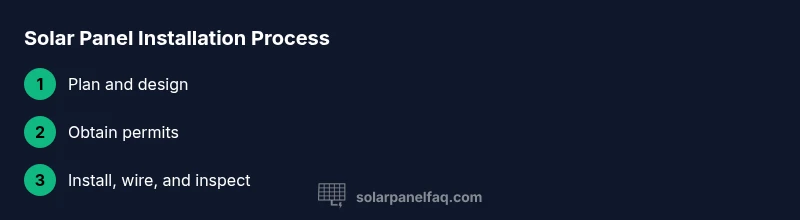
A Virginia solar installation typically unfolds through clearly defined phases, coordinated with permitting timelines. Step 1: finalize design and obtain required permits. Step 2: prepare the site, including roof access and electrical shutdown planning. Step 3: install mounting rails and attach solar modules. Step 4: run interconnection wiring and install the inverter and dash monitoring. Step 5: perform electrical tests, connect to the utility, and schedule inspections. Each phase has specific safety checks and documentation requirements. Real-world timelines vary with permit wait times and weather, but communicating milestones in advance helps keep the project on track. Expect some downtime during electrical work, and plan for a final inspection and commissioning once the grid interconnection is approved.
Financing, incentives, and long-term costs in Virginia
Virginia homeowners benefit from a mix of federal incentives and local programs, which can significantly alter the project economics. The federal investment tax credit (ITC) reduces the upfront cost by a substantial portion when you purchase the system. State and local incentives vary by locality and can include property tax exemptions or reductions and potential utility rebates. Financing options include cash purchases, solar loans, leases, and power purchase agreements (PPAs). Each option has different tax implications, ownership rights, and long-term cost implications. A careful comparison of total cost of ownership—considering energy savings, tax credits, maintenance, and insurance—will help you decide which path makes the most financial sense for your Virginia home.
Maintenance, warranties, and long-term performance in Virginia
Solar panels typically come with long warranties that protect against manufacturing defects and performance loss. Common industry norms include multi-decade performance warranties for panels and shorter terms for inverters. Regular maintenance, such as keeping the panels clean and checking for shading changes from new growth or structural shifts, helps sustain output. Monitoring systems allow you to track daily energy production and flag deviations from expected performance. In Virginia, severe weather events can affect installations, so ensure your system includes adequate wind load ratings and that your warranty covers weather-related damage. Schedule an annual inspection with your installer to verify connections, wiring integrity, and mounting hardware, and address any corrosion or loose fittings promptly.
Common mistakes to avoid during Virginia solar installs
Avoid underestimating permits and inspection timelines, which can delay scheduling. Do not overlook shading analysis; trees or structures that seem distant can dramatically reduce output. Choosing the cheapest system without evaluating warranty coverage or installer reputation is a common pitfall. Failing to read the interconnection agreement can cause surprises when you attempt to turn on the system. Finally, neglecting maintenance or assuming warranties cover all issues can lead to avoidable costs later. A thorough planning phase and ongoing monitoring help prevent these errors.
What happens after installation: monitoring and grid interconnection
After commissioning, you’ll receive monitoring access to track energy generation and performance metrics. Ensure the interconnection is properly registered with your utility and that meter readings align with system production. Keep copies of all permits, warranty documents, and maintenance records for future reference or resale. It’s wise to plan for periodic inspections and potential panel cleaning, especially in Virginia’s pollen-heavy spring and dusty summers. Proper documentation and proactive maintenance maximize system reliability and preserve warranty eligibility.
Tools & Materials
- Safety gear (hard hat, non-slip shoes, gloves, eye protection)(Use fall protection on pitched roofs)
- Ladder or roof access equipment(Stable setup with 3-point contact)
- Safety harness and fall-arrest system(Must meet local standards)
- Voltage tester / multimeter(Verify circuits before work)
- Wrench set and torque wrench(Secure mounting hardware to spec)
- Screwdrivers, pliers, and wire strippers(For wiring and connections)
- Measuring tape and level(Ensure proper alignment)
- Roof mounting rails and racking hardware(Compatibility with roof type)
- Solar panels and inverter(s)(Certified equipment per design)
- Electrical conduit / junction boxes(Weatherproofing required)
Steps
Estimated time: 2-7 days (varies by permit timing and weather)
- 1
Hire a licensed installer
Engage a licensed contractor with Virginia-specific experience. Obtain multiple written proposals and verify that each includes design, equipment specs, permitting steps, interconnection plans, and a clear timeline.
Tip: Request references from local projects similar in size to your plan. - 2
Review design and permits
Your installer will finalize the system design and prepare permit applications. Review the layout, panel type, inverter choice, and mounting method before submitting to the local authority and utility for interconnection review.
Tip: Confirm that the proposal addresses local wind loads and roof type. - 3
Prepare the site and schedule
Clear the installation area, arrange roof access, and align schedules with weather windows. Plan for temporary power shutdowns as required during electrical work.
Tip: Coordinate with neighbors to minimize disruption and ensure access to roof space. - 4
Install mounting system and panels
Mount rails securely to the roof structure, attach panels, and route wiring to the inverter location. Ensure watertight seals around all penetrations.
Tip: Use shims or spacers only as specified by the manufacturer. - 5
Connect inverter and monitoring
Connect the inverter(s), AC disconnect, and monitoring hardware. Verify polarity, grounding, and proper labeling before power-up.
Tip: Double-check all safety interlocks and emergency shutoff locations. - 6
Inspect and interconnect
Request city or county inspections and obtain interconnection approval from the utility. Address any deficiencies promptly to avoid delays in commissioning.
Tip: Keep all permits and warranty documents organized for the inspector.
Frequently Asked Questions
Do I need a permit for solar panel installation in Virginia?
Yes, most installations require both building and electrical permits from the local jurisdiction, and an interconnection agreement with the utility is typically required for grid-tied systems.
Yes, you’ll usually need building and electrical permits, plus interconnection approval from your utility.
Is net metering available in Virginia?
Net metering is available in many Virginia utilities, but specifics vary by locality and utility. Check with your utility and DSIRE for current rules.
Net metering exists in Virginia, but rules depend on your utility; verify with the utility and DSIRE.
How long does installation typically take in Virginia?
Timeline depends on permit processing and weather, but plan for several days of on-site work plus inspection and interconnection steps.
It varies, but you’ll typically go through planning, permitting, installation, and inspection over several days to weeks.
Should I hire a local Virginia installer?
Yes. Local installers are familiar with Virginia codes, permitting processes, and utility interconnection requirements, which can speed up approval and commissioning.
Yes—local installers know the rules and processes here.
What maintenance is required after installation?
Keep panels clean, monitor output, and schedule annual check-ups to verify wiring, connections, and mounting integrity.
Clean the panels and monitor performance; schedule yearly checks.
What warranties should I expect?
Most solar panels come with 20-25 year warranties, while inverters typically carry 10-12 year coverage; confirm specifics with your installer.
Panels usually have 20-25 year warranties, inverters 10-12 years.
Watch Video
Top Takeaways
- Assess site thoroughly before committing to equipment.
- Plan permits and interconnection early to avoid delays.
- Choose panels and inverters that suit Virginia's climate and roof type.
- Hire a licensed local installer with strong references.
- Maintain the system for long-term performance and warranty validity.