Solar Panel Walls: A Practical How-To Guide
Learn how to design, install, and maintain solar panel walls for a durable facade that generates power. This guide covers design, mounting methods, wiring, costs, maintenance, and real-world examples to help homeowners make informed choices.


Solar panel walls are building-integrated photovoltaic facades that replace or overlay exterior wall cladding with energy-generating modules. They combine structural function with electricity generation, reducing roof-area requirements and smoothing aesthetics. To succeed, plan for wall compatibility, mounting method, wiring, permits, and weatherproofing. This guide helps homeowners size, install, and maintain solar panel walls safely and effectively.
What are solar panel walls?
Solar panel walls represent a form of building-integrated photovoltaics (BIPV) where photovoltaic modules are integrated into exterior walls or facades rather than mounted on a roof. This approach turns architectural surfaces into energy generators while maintaining weather resistance and aesthetics. For homeowners, the main appeal is to reuse wall space, reduce roof load, and create a distinctive, modern look. According to Solar Panel FAQ, solar panel walls are most effective on facades with consistent sun exposure and minimal shading. They differ from traditional roof-mounted systems in installation complexity, permitting considerations, and potential interactions with insulation and structural elements. When evaluating a wall installation, consider facade orientation, local building codes, and the wall’s ability to support additional weight and wind loads. A well-designed wall system should integrate seamlessly with windows, doors, and balcony features while providing a robust weather barrier.
A practical way to think about it is: you’re building a structural, energy-producing cladding layer that doubles as a power source, rather than simply adding panels to the roof. This concept is increasingly common in new construction and major remodels where aesthetics and energy independence are priorities. The technology spans solid glass, colored glass, and modular PV units, with some systems designed to mimic traditional siding. The key is a holistic plan that aligns with your home’s envelope performance, thermal resistance, and long-term maintenance expectations.
Important caveats include ensuring fire performance ratings, proper sealing at panel joints, and compatibility with existing insulation and vapor barriers. Early design decisions affect durability and energy yield, so engage an integrated team—architect, PV installer, and electrical contractor—from the outset. Unique constraints, such as crane-access for large modules or permit requirements for exterior alterations, should be identified in the planning phase.
note
Tools & Materials
- Measuring tape(at least 5 meters to verify façade dimensions and alignment)
- Level and square(to ensure flat, plumb panel planes and correct rail placement)
- Exterior-grade mounting rails and clamps(rated for wind loads and compatible with chosen PV modules)
- Sealant and weatherproof tape(for edge sealing and joints to maintain moisture barriers)
- Cordless drill and masonry bits(for mounting into brick, concrete, or stucco surfaces)
- Junction boxes, conduit, and fasteners(for safe, code-compliant routing of wires to the inverter)
- PV modules rated for exterior use(matched to facade area and orientation)
- Inverter or microinverters(to convert DC to AC; consider integration with existing systems)
- Safety gear (gloves, goggles, hard hat, harness)(follow local safety regulations)
- Ladder or scaffolding(for access to wall elevations and high mounting points)
Steps
Estimated time: 3-6 weeks
- 1
Assess facade suitability
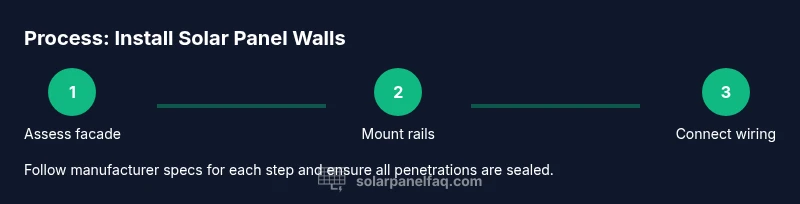
Begin with a site assessment: sun exposure, shading, wall orientation, and structural capacity. Use a shading analysis and wind-load evaluation to determine if the wall is suitable for PV integration. Consider whether the wall can accommodate the added weight and whether cladding changes are feasible with your climate. The goal is to confirm that the chosen wall will produce meaningful energy and meet safety requirements.
Tip: Document existing insulation, vapor barriers, and drainage details before you start. - 2
Choose mounting method and system type
Decide between rail-based mounting for heavier modules or adhesive/frameless options for certain wall materials. Rails simplify replacement and maintenance, while integrated BIPV modules can offer cleaner lines. Ensure compatibility with building codes and fire ratings. This choice affects aesthetics, load management, and future expansion.
Tip: Coordinate with your PV installer to verify wind uplift ratings for your wall and local code allowances. - 3
Prepare the wall surface
Clean and inspect the wall surface; repair any cracks or weaknesses in the substrate. Install a weather-resistant barrier if you haven’t already, and ensure the surface is dry and free of dust. Address any gaps with appropriate flashing to maintain a continuous moisture barrier. Proper surface prep improves panel adhesion and longevity.
Tip: Allow the wall to dry after any cleaning or repairs before mounting. - 4
Install mounting framework and clamps
Attach rails or mounting brackets to the wall at planned intervals. Use a level to ensure even alignment and verify that all fasteners are secured to structural members or appropriate anchors. Sealing joints along rails prevents water intrusion and reduces thermal bridging.
Tip: Double-check alignment before tightening; misaligned rails complicate panel seating later. - 5
Mount PV modules and connect wiring
Place PV modules onto the mounting framework and fasten securely. Route DC wiring through approved conduits to a junction box, then connect to the inverter or microinverter. Follow manufacturer torque specs and ensure all penetrations are weather-sealed. Plan for a clean, code-compliant electrical route.
Tip: Label circuits and maintain a neat, accessible wiring path for future maintenance. - 6
Commission, test, and document
Perform electrical safety checks, verify insulation continuity, and test system output under normal load conditions. Update system diagrams and warranty registrations, and schedule a follow-up inspection after a initial seasonal cycle. Document performance targets and any deviations for ongoing maintenance.
Tip: Keep a maintenance log and monitor performance as sun exposure changes seasonally.
Frequently Asked Questions
Do solar panel walls work with all wall types?
Solar panel walls work best on walls with solid backing and adequate sun exposure. Some wall materials require special mounting adapters or surface preparation. A PV installer can assess load capacity, weather sealing needs, and compatibility with existing insulation.
Most walls can be adapted with the right mounting system, but a professional assessment is essential.
Are solar panel walls more expensive than roof-mounted PV?
In many cases, BIPV facades involve higher upfront costs due to integration, permits, and specialized mounting. However, they can reduce roof penetrations and create additional architectural value. A detailed cost estimate should consider materials, labor, and potential incentives.
Costs vary; a professional assessment will clarify whether the facade approach fits your budget.
What permits are typically required?
Permitting depends on your city and wall modifications. Common requirements include electrical permits and building-permit approvals for exterior alterations. Your installer should coordinate with local authorities and provide necessary documentation.
Permits are location-dependent; your installer can manage the approvals process.
Can any facade material be used for solar panel walls?
Not all materials are suitable for PV integration. High-porosity or uneven surfaces may require additional backing or alternative mounting solutions. Materials like concrete, brick, or stucco are common with appropriate anchors and weather sealing.
Material compatibility varies; a qualified installer evaluates the best approach.
How long do solar panel walls last and how is warranty affected?
PV façade systems generally have lifespans similar to standard PV systems, with warranties covering modules, inverters, and installations. Longevity depends on exposure, maintenance, and manufacturing quality. Regular inspections help maintain performance and warranty validity.
With proper care, a PV facade can last many decades, but routine checks are key.
Watch Video
Top Takeaways
- Adhere to structural and code requirements for wall PV systems
- Choose mounting methods that balance durability with aesthetics
- Plan for wiring routes and future maintenance from day one
- Coordinate with professionals to optimize facade performance