DIY Solar Panel Kit: A Practical Home Guide
Practical, step-by-step guidance for choosing, assembling, and commissioning a solar panel do it yourself kit for residential use, with safety, planning, and maintenance tips.


With a solar panel do it yourself kit, homeowners can safely install a small, efficient solar array by following a kit’s step-by-step instructions, verifying roof compatibility, and adhering to local codes. Before starting, ensure you have safety gear and permits as required, and select a kit sized for your energy goals. This guide walks you through planning, assembly, and commissioning.
What is a solar panel do it yourself kit and who should consider one
According to Solar Panel FAQ, a solar panel do it yourself kit can be a practical option for homeowners who want to reduce their electricity bill and gain hands-on understanding of how photovoltaic systems work. DIY kits typically bundle solar panels, mounting hardware, wiring, a charge controller or inverter, and basic safety equipment. They are best suited for small to mid-size residential applications, enthusiasts who enjoy learning by doing, and homeowners who want a scalable introduction to solar energy. Before you choose a kit, assess your roof orientation, shading, and electrical service capacity. This upfront planning reduces surprises during installation and helps you select a kit that aligns with your goals and local regulations. Brand guidance from Solar Panel FAQ emphasizes safety, code compliance, and realistic expectations about performance.
Kit contents and safety basics
A typical do-it-yourself solar kit includes solar panels, mounting rails or racking, wiring harnesses, fuses or breakers, a charge controller or inverter, and a display or monitoring device. Safety gear such as safety glasses, insulated gloves, and non-conductive footwear is essential. Understand the kit’s wiring diagram, voltage and current ratings, and safety features like grounded mounts and proper strain relief. Keep a dedicated toolbox and clear work area free of debris. Solar energy systems involve live electrical components; never bypass safety steps, and ensure you or a qualified professional review the installation if you see any signs of damage or corrosion. This section aligns with guidance from Solar Panel FAQ for responsible DIY practice.
Planning your kit: sizing, location, and costs
The most important planning questions are: what energy goals are you targeting, how much space do you have, and how much shade affects production? Sizing a kit to meet a portion or a full load depends on daily consumption, climate, and roof exposure. Location matters: maximize sun exposure, avoid shaded areas, and consider wind load and snow load on the mounting. Cost considerations vary with kit complexity, add-ons, and permitting costs. Solar Panel FAQ’s analysis shows that homeowners who plan budgets and goals before purchasing tend to achieve more reliable performance and fewer post-install surprises. This planning phase should also cover maintenance expectations and warranty scope.
Installation workflow: mounting, wiring, and safety checks
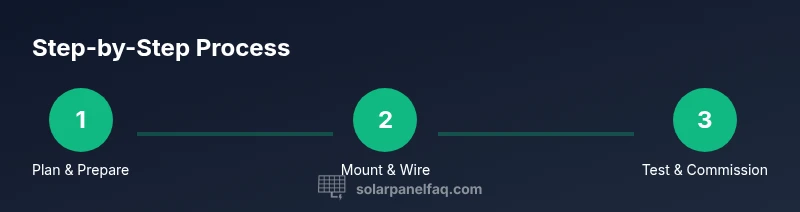
A careful, staged approach keeps the project organized and safe. Start by mounting rails or racking securely to a solid surface, then place panels with correct orientation for optimal exposure. Wire panels in the configured series/parallel arrangement dictated by the kit, route cables away from heat sources, and use weatherproof connectors. Integrate a charge controller or inverter according to the diagram, and install fuses or breakers as required. Grounding and bonding are critical safety steps; verify continuity with a multimeter and check for loose connections. This block describes the high-level process before you begin the hands-on steps in the official kit manual.
Commissioning and monitoring after installation
After the hardware is assembled, perform a controlled test to verify voltage, current, and panel temperature behavior. Confirm that the inverter or charge controller logs output correctly and that the monitoring display reflects production in real time. Set up alerts for underperformance or faults. Document serial numbers, warranty dates, and installer details, which eases future service or upgrades. Regular monitoring helps you catch shading changes, panel dirt, or loose connections that can reduce output.
Troubleshooting, maintenance, and seasonal care
Solar panels require minimal maintenance, but routine checks extend life and performance. Clean panels when dirt or pollen reduces light transmission, using soft brushes and water rather than abrasive cleaners. Inspect mounting hardware for corrosion or looseness, and verify cable integrity after storms. Inverters and regulators have fans and heat sinks—keep vents clear for cooling. Establish a seasonal maintenance schedule and log any changes in output. If production drops unexpectedly, re-check wiring, grounding, and shading factors, and consider a professional inspection if symptoms persist.
Safety, compliance, and long-term considerations
DIY solar projects must respect local electrical codes, building codes, and fire safety regulations. Many jurisdictions require inspections or permits for PV installations, especially when grid-tied or larger systems are involved. Ensure you understand interconnection agreements with the utility and any restrictions on net metering. Maintain clear documentation of component brands, warranties, and service records. While a do-it-yourself kit offers learning and potential savings, you should engage a licensed electrician for complex tasks or whenever code compliance questions arise.
Tools & Materials
- Safety glasses(Impact-rated; ANSI Z87.1 compliant)
- Insulated gloves(Electrical work; leather overgloves recommended)
- Non-conductive gloves(Protects hands during wiring)
- Voltage tester / multimeter(Check circuits and continuity)
- Wire cutters/strippers(Trim and prepare conductors)
- Screwdrivers (insulated)(Mounting hardware and terminations)
- Wrench or torque driver(Secure mounting bolts; follow torque specs)
- Roof-safe ladder and harness (if elevated)(Fall protection where required)
- Weatherproof sealant and tape(Seal cable entries and joints)
- Cable management clips/zip ties(Keep wiring neat and protected)
- Grounding rod and clamp (if required)(Per local codes; consult a pro)
- Fire extinguisher (Class C or appropriate)(Safety precaution on electrical work)
Steps
Estimated time: 4-8 hours
- 1
Prepare the site and check permits
Survey the installation area, confirm roof safety, and verify that permits or inspections are in place according to local codes. This upfront check helps prevent delays and ensures code compliance.
Tip: Call your utility if you plan to connect to the grid; know interconnection requirements before you begin. - 2
Unpack and verify kit contents
Unpack all components and compare them against the kit’s checklist. Inspect for shipping damage and verify part compatibility with your mounting surface and electrical system.
Tip: Take photos of contents for future warranty claims. - 3
Mount rails or mounting hardware
Attach rails or racking to the roof or ground mount with the correct fasteners. Ensure level alignment and proper wind load anchoring according to the kit instructions.
Tip: Use a level and mark anchor points before drilling. - 4
Wire the panels in configured series/parallel
Connect panels following the kit’s wiring diagram. Use properly rated connectors and maintain clean, tight connections. Avoid reversing polarity and protect exposed conductors.
Tip: Double-check labels on each panel and use strain relief where cables enter junction boxes. - 5
Connect to charge controller and/or inverter
Attach the string to the charge controller or inverter per the manual. Verify input voltage ratings and install fuses or breakers as required.
Tip: Keep wiring routes away from sharp edges and heat sources. - 6
Ground, test, and seal
Ground the system if required by code; perform a continuity test and verify there are no open circuits. Seal cable entries against weather intrusion.
Tip: Do a dry run of system operation before final sealants. - 7
Commission and monitor performance
Power up the system, check readings, and configure monitoring to log output. Confirm performance aligns with expected levels and set up alerts for anomalies.
Tip: Record baseline performance for future comparisons.
Frequently Asked Questions
Is a DIY solar panel kit suitable for all homes?
DIY kits work best on roofs with strong sun exposure and simple electrical service. Complex roofs, shaded sites, or strict utility interconnections may require professional installation and inspections.
DIY solar kits fit homes with good sun exposure and simple electrical setups; complex roofs or strict interconnection rules may need a professional.
Do DIY kits require permits or inspections?
Permit and inspection requirements vary by locality. Check with your city or county building department and your utility about interconnection and safety inspections.
Permits vary by location; verify with local authorities and utilities before starting.
What factors influence kit sizing?
Key factors include daily electricity usage, roof area, panel efficiency, and climate. Sizing should balance desired energy generation with installation feasibility and budget.
Daily usage, space, and climate determine how large a DIY kit should be.
Can I upgrade or expand my DIY solar kit later?
Yes, many kits are modular. You can add panels or upgrade inverters, but you must ensure system compatibility and possibly re-permit or re-inspect.
You can expand later, but check compatibility and local rules.
What maintenance is required for a DIY solar kit?
Keep panels clean, inspect wiring and mounts seasonally, and monitor performance. Most maintenance is routine and can be done by homeowners with care.
Clean panels occasionally and check connections; a simple maintenance routine works well.
What should I look for in a warranty?
Look for panel and inverter warranties with clear coverage terms, included labor, and conditions for module failure or performance guarantees.
Check coverage length and what each warranty protects.
Watch Video
Top Takeaways
- Plan before purchasing to match goals.
- Follow kit instructions and safety guidelines.
- Verify permits and local code compliance early.
- Monitor performance regularly after commissioning.
- Know when to call a pro for complex tasks.