Professional Solar Panel Installation: A Step-by-Step Guide
A comprehensive, practical guide for homeowners on professional solar panel installation, covering planning, permits, mounting, wiring, commissioning, and maintenance to ensure safety, code compliance, and long-term performance.


This guide helps homeowners plan and execute a professional solar panel installation safely and legally. You'll learn sizing, permitting, mounting, wiring, and commissioning steps, plus safety checks and selecting a qualified installer. Start by confirming local permits and evaluating contractor credentials. This overview prepares you for the detailed, step-by-step process that follows.
Why professional solar panel installation matters
For homeowners exploring solar energy, engaging a professional installer is not optional—it’s foundational to safety, performance, and warranty validity. The Solar Panel FAQ team emphasizes that a correctly executed installation reduces the risk of electrical faults, ensures compliance with local building codes, and protects warranty coverage. A qualified installer brings experience with roof compatibility, electrical interlocks, and grid connection requirements, which translates to fewer call-backs and smoother inspections. In addition, professional work supports accurate system sizing and optimal orientation to maximize energy production. By prioritizing credentialed, insured contractors, you gain peace of mind and a clearer path to reliable long-term savings.
Planning and Site Assessment: Setting the foundation for a successful install
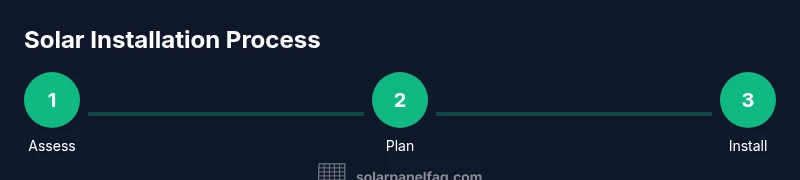
A thorough site assessment is the cornerstone of a reliable solar system. Start with a roof condition check, shading analysis, and orientation measurements to estimate usable area and expected output. Discuss household electricity needs, existing panel space, and future expansions. The installer should map electrical routes, determine the correct inverter size, and plan for safe access to the main service disconnect. Documentation and permits often hinge on this stage, so clarity now prevents delays later. This phase also helps you compare proposals on a like-for-like basis and avoids over- or under-sizing the system.
Design decisions: Sizing, orientation, and shading considerations
System design blends science and practicality. Size the array to meet a target portion of your daytime electricity use while considering roof load limits and wind exposure. Elevation, azimuth, and tilt influence annual production; even small changes can shift output meaningfully. Shading from nearby trees or vents should be minimized; where unavoidable, choose microinverters or power optimizers to mitigate shade loss. The chosen components—panels, racking, wiring, and the inverter—must harmonize to deliver a safe, code-compliant result with predictable performance and easy maintenance. Budget invites trade-offs; balance upfront cost with long-term energy savings and warranty terms.
Permits, codes, and contractor qualifications: Navigating regulatory requirements
Before any hardware is installed, ensure you have the necessary permits and a clear plan for inspections. Building departments typically review structural attachments, fire clearance around roof penetrations, electrical deratings, and interconnection with the grid. Your contractor should provide a detailed scope of work, warranty documentation, and a copy of safety certifications. Avoid accepting proposals that bypass permitting or omit a formal electrical plan. Engaging a contractor who communicates clearly about timelines, responsibilities, and inspection milestones reduces risk and helps you stay compliant across the project lifecycle.
Equipment, mounting, and electrical safety basics: What to expect on site
Professional installation hinges on choosing the right mounting system, properly rated wiring, and correctly sized overcurrent protection. Rails or rails-to-modules attachments must be securely fastened to the roof structure with appropriate anchors. Electrical work involves panel upgrades, inverter connections, DC/AC wiring, and protective devices. Expect outdoor-rated equipment, weatherproof conduit, and careful routing to prevent damage or heat buildup. Every component should carry compatible ratings and be installed with clean, code-compliant splices. This is where experience prevents common mistakes that could compromise safety or performance.
The on-site workflow: safety, coordination, and quality checks
On a typical installation day, technicians verify the design plan, set up fall protection, and prepare the work area to protect your home. They install mounting hardware, affix solar modules, connect wiring to the DC side, install the inverter, and place the grid-interactive components. Throughout the day, they perform interim tests to confirm polarity, continuity, and insulation resistance. After wiring, a commissioning sequence ensures the system communicates with the grid and inverter operates within target parameters. A thorough handover documents system data, warranty information, and maintenance steps.
Post-installation checks and maintenance: sustaining performance and safety
Commissioning should include a final performance check, system monitoring setup, and a review of safety procedures. The installer should provide a written report detailing module efficiency, wiring routes, and inverter health. Schedule periodic cleaning to maintain performance, inspect for loose connections after severe weather, and monitor for shading changes as trees mature. Establish a maintenance plan that aligns with your local climate and roof accessibility. Keeping up with these steps helps sustain energy production and preserves warranty terms.
Tools & Materials
- Ladder and roof access equipment(Sturdy, weather-appropriate ladder; roof anchors for fall protection)
- Fall protection gear (harness, lanyards, anchors)(Required for elevated work at all times)
- Safety PPE (gloves, goggles, hard hat)(Eye and hand protection during all electrical and roofing tasks)
- Cordless drill with assortment of bits(For mounting hardware and conduit fittings)
- Torque wrench(Ensure proper torque on rails and mounting hardware)
- Wrench set and screwdriver set(Various sizes for hardware and electrical connectors)
- Pipe cutter/conduit cutter(Useful for clean conduit runs)
- Cable clips, clamps, and conduit(Secure wiring safely and neatly)
- Measuring tools (laser level, tape measure, compass)(Accurate alignment and level mounting)
- Multimeter and insulation tester(Validate voltages, continuity, and insulation)
- Utility-grade disconnect switch (DC/AC)(Code-compliant interconnection point)
- Inverter and racking system compatible with panels(Certified components sized for your system)
- Solar panels (quantity as designed)(Module rating should match design)
- Safety mats or roof protection(Protects surfaces during installation)
- Permitting documents and project specs(Keep accessible for inspections)
- Sealant, weatherproofing, and flashing(Prevent leaks at penetrations)
- Temporary power tools battery packs and charger(Spare power sources on hand)
- Documentation binder with warranties and maintenance plan(Handover keeps warranties valid)
Steps
Estimated time: Estimated total time: several hours to a full day
- 1
Assess site and finalize design
Verify roof condition, sunlight access, and electrical service capacity. Review the design with your installer to confirm panel count, inverter size, and wiring routes. Confirm permit requirements and inspection milestones to prevent delays.
Tip: Document roof conditions with photos and measurements to support permit applications. - 2
Prepare roof and install mounting system
Set up fall-protection gear and anchor points. Install rails or mounting hardware per manufacturer instructions, ensuring alignment and level. Secure the racking to the roof structure with proper sealant and fasteners.
Tip: Check for roof penetrations and sealants that prevent leaks; verify wind uplift ratings. - 3
Mount solar panels to racks
Lift and place panels onto the mounting rails, then fasten with the correct clamps or brackets. Maintain proper spacing and cleanliness to avoid micro-cracks or module damage. Route cables along approved paths, leaving slack for thermal expansion.
Tip: Use a pulley system or additional hands to avoid panel damage during lifting. - 4
Make electrical connections and inverter placement
Connect panels in series or with optimizers as designed, install DC combiner if required, and position the inverter in a safe, ventilated area. Run conduit to the main service disconnect and ensure weatherproofing at all terminations.
Tip: Double-check polarity and insulation resistance before energizing any conductors. - 5
Install grid-interactive components and disconnects
Mount the AC disconnect and connect the inverter to the home electrical system per the plan. Ensure all safety interlocks are in place and that the system seamlessly integrates with the grid or battery storage if used.
Tip: Coordinate with the utility to schedule the interconnection inspection if required. - 6
Test, commission, and handover
Perform functional tests, verify system output under light and full sun, and document performance metrics. Provide the homeowner with manuals, warranty information, and a maintenance plan. Schedule a post-installation check after a few weeks to confirm performance.
Tip: Keep a record of serial numbers and warranty terms for all components.
Frequently Asked Questions
What defines a professional solar panel installation?
A professional installation follows local codes, obtains permits, uses properly rated equipment, and is performed by trained, insured technicians. It includes safe wiring, correct inverter sizing, and a formal commissioning. This approach protects warranties and ensures safe, reliable operation.
A professional install follows local codes, uses the right equipment, and is performed by trained, insured technicians with proper commissioning.
Do I need permits for solar panel installation?
Yes. Permits ensure structural integrity, electrical safety, and proper grid interconnection. Your contractor should handle permit applications and coordinate inspections with the building department. Skipping permits can lead to fines or non-compliant installations.
Permits are required to ensure safety and code compliance, and your installer should handle the process.
How long does installation typically take?
Installation duration varies with roof type, system size, and weather. Expect a window from a few hours to a full day for a standard residential setup. Your contractor should provide a schedule and update you if conditions change.
It varies, but a typical project takes a day or two depending on complexity.
What safety risks should homeowners know?
Working on roofs and with high-voltage DC wiring carries fall and electrical risks. Professionals use fall protection, PPE, and lockout-tagout procedures. Homeowners should avoid DIY electrical work and rely on licensed technicians.
Roof work and wiring are risky; professionals use safety gear and proper procedures.
What should I ask a solar contractor before hiring?
Ask about licenses, insurance, warranties, installation timeline, permit handling, and after-sales support. Request a written contract with a detailed scope, and ask for a reference list or case studies from similar homes.
Ask about licenses, warranties, timeline, and references before you hire.
Will installation affect my home insurance or warranty?
Professional installation can affect insurance coverage and void some manufacturer warranties if not done per guidelines. Ensure the contractor provides documentation of compliance and discuss changes with your insurer and the panel manufacturer.
Check with your insurer and manufacturers to maintain coverage and warranties.
Watch Video
Top Takeaways
- Plan thoroughly with site assessment and design.
- Obtain permits and ensure contractor qualifications.
- Choose compatible, code-compliant components.
- Commission and test for safe operation.
- Maintain documentation for warranties and future service.