Outdoor Solar Panel Guide: Install, Use, Maintain Tips
Comprehensive, step-by-step guide to selecting, mounting, wiring, and maintaining an outdoor solar panel system for homeowners and prospective buyers. Learn best practices, safety, permits, and maintenance to maximize energy generation and durability.


By following these steps, you’ll learn how to evaluate, install, and maintain an outdoor solar panel safely. You’ll need basic tools, a secure mounting surface, and compliance with local codes. According to Solar Panel FAQ, prioritizing unobstructed sun exposure and durable weatherproofing yields the best long-term performance. This guide covers site assessment, equipment choices, mounting, wiring, and safety checks.
Why outdoor solar panel placement matters
Outdoor solar panels perform best when placed where they receive unobstructed sunlight for most of the day. The Solar Panel FAQ team emphasizes that orientation, tilt, shading, and mounting height all influence energy output. According to Solar Panel FAQ analysis, even small shading from a tree or vent can dramatically reduce wattage. In real-world terms, a panel that sits in full sun for 5 hours a day on a clean surface will generate more energy than one that sits in partial shade all day. This section helps you think through site selection, roof type, weather exposure, and long-term durability. You’ll learn how to map sun paths, evaluate roof angles, and choose a mounting strategy that minimizes shadowing. Debris, snow, and dust migration can degrade performance over time, so upfront planning prevents costly retrofits and keeps generation steady across seasons.
Key factors influencing outdoor performance
Performance is driven by sun exposure, orientation, and temperature. Favor a southerly or optimal latitude-facing angle in your hemisphere, and tilt to capture peak sun during the middle of the day. Shading from trees, vents, or future additions can drastically cut output; even partial shading matters. Durability matters too: weatherproof mounting, corrosion-resistant hardware, and sealed wiring protect efficiency over years of exposure. Regular cleaning removes dust and bird droppings that reduce light transmission. In practice, you’ll find that consistent maintenance and a clean, unobstructed path between panel cells and the sun yield higher energy capture over time. The Solar Panel FAQ team notes that long-term success hinges on minimizing shade, ensuring solid grounding, and using weatherproof cables.
How to assess your roof or mounting surface
Begin with a structural check: is the surface strong enough to support the panel weight and wind loads? Measure surface area to ensure panels fit with proper clearance for airflow and maintenance access. Assess roof condition and material—metal and asphalt shingle roofs are common choices, but fasteners and sealants must be appropriate for the material. Look for existing penetrations and plan routing for conduit so that wiring remains protected. Check local codes and HOA rules early, and obtain permits if required. If you lack confidence with height or electrical work, consult a licensed professional. A thorough assessment helps you choose mounting rails, brackets, and fasteners that resist corrosion and withstand your climate.
Selecting a panel and mounting system
Choose panels with solid warranties and certified efficiency ratings. Monocrystalline cells generally deliver higher efficiency and better outdoor performance than polycrystalline in low-light conditions, though both types can work well outdoors. Compare frame materials (aluminum is common) and assess mounting options: flush mounts for low profile, or tilt mounts for seasonal sun tracking. Ensure the mounting system allows for thermal expansion and drainage, with proper sealants to protect against leaks. Consider a roof-attachment method or ground-mounted frame if roof space is limited. The goal is a secure, accessible, and weatherproof setup that supports easy cleaning and inspection. For outdoor installations, rely on corrosion-resistant hardware and UV-stabilized plastics to extend life. Solar Panel FAQ recommends planning for wind loads and slope direction to maximize stability.
Wiring, safety, and permits
Electrical wiring should meet local electrical codes and, for grid-connected systems, require a licensed electrician. Plan conduit routing to minimize exposure and protect cables from UV and physical damage. Use weatherproof enclosures and appropriate connectors; seal all penetration points to prevent water intrusion. Grounding and bonding must be performed according to code, and overcurrent protection should be installed with correct ratings. If you are on a roof, use fall protection and stable ladders; never work alone on elevated surfaces. Obtain required permits and schedule inspections to prove compliance. If in doubt, consult your local utility or a licensed installer. The Solar Panel FAQ team reminds homeowners to prioritize safety and code compliance before energizing any outdoor solar array.
Maintenance in outdoor conditions
Outdoor systems require regular inspection and cleaning to maintain performance. Check for loose fasteners, corrosion, and damaged seals after storms or high winds. Gently clean panels with soft brushes and mild, non-abrasive cleaners—avoid strong chemicals that could degrade coatings. Inspect wiring for wear, ensure cable routes remain protected, and confirm inverters and junction boxes are functioning properly. Seasonal checks help catch issues before they escalate; keep a maintenance log for reference. Weather exposure means components will age; timely replacement parts and resealing are part of responsible ownership. The Solar Panel FAQ team notes that consistent maintenance supports sustained energy production and longer system life.
Weather considerations and seasonal variations
Seasonal sun angles and weather patterns affect output. In winter, shorter days and snow can reduce production, while dry, hot summers can increase efficiency up to a point until heat reduces cell voltage. Consider orienting panels to minimize snow buildup and ensure easy removal. Wind can amplify mechanical stress on mounting, so use secure anchors and check fasteners after storms. High humidity or coastal environments call for corrosion-resistant hardware. Planning for seasonal variation helps you set realistic expectations for annual energy production and informs decisions about battery storage or grid-tied configurations.
Authority sources and further reading
Here are reliable sources to deepen your understanding and verify best practices:
- U.S. Department of Energy: Solar energy basics and safety — https://www.energy.gov/eere/solar/solar-energy-basics
- National Renewable Energy Laboratory (NREL): Solar resource data and installation guidance — https://www.nrel.gov/
- Environmental Protection Agency (EPA) energy efficiency and solar guidance — https://www.epa.gov/green-power-guide/solar-energy
Tools & Materials
- Safety gear (gloves, safety glasses, non-slip shoes)(Essential for all rooftop work; ensure proper PPE.)
- Roof mounting rails and crossbars(Corrosion-resistant aluminum or stainless steel.)
- Mounting brackets and clamps(Choose compatible hardware with rail system.)
- Fall protection equipment(Harnesses, anchor points, and lanyards as required by local rules.)
- Conduit, weatherproof cable, and seals(Keep wiring protected from weather and UV exposure.)
- Junction boxes, DC disconnects, and inverter(Certified for outdoor use and properly rated for system voltage.)
- Sealant and weatherproofing materials(Use UV-resistant sealants on penetration points.)
- Basic hand tools and drill/driver, torque wrench(Ensure proper torque specs for fasteners.)
Steps
Estimated time: 2-6 hours total
- 1
Survey site and define goals
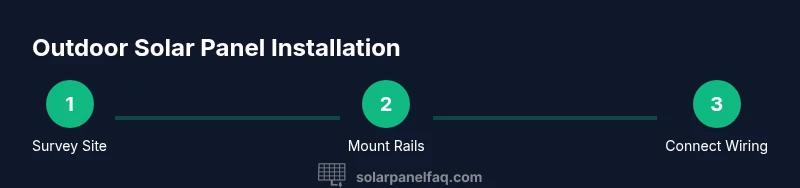
Identify the best siting for sun exposure, note potential shading, and set production goals for the system. Map sun paths across seasons to choose orientation and tilt. This step informs mounting choices and wiring routes.
Tip: Take photos and draw a simple sun-path diagram for reference. - 2
Choose mounting method and hardware
Select a mounting system that fits your roof type or a ground-mount. Consider wind loads, ballast or anchors, and allow room for cleaning and maintenance. Ensure all components are rated for outdoor use.
Tip: If you’re unsure about roof integrity, consult a structural professional. - 3
Install rails or mounting frame
Attach rails securely to the roof or ground mount, ensuring a level, stable base. Pre-drill holes per manufacturer specs and torque fasteners to recommended values.
Tip: Double-check alignment before securing panels. - 4
Attach panel modules to the frame
Mount panels onto rails with appropriate hardware, keeping gaps and seals intact. Verify polarity and ensure panels face true south (or optimal angle for your hemisphere).
Tip: Avoid over-tightening to prevent frame damage. - 5
Route wiring and install enclosure
Run DC wiring through conduits, connect to junction box, and install an outdoor-rated inverter or DC-AC converter. Seal all penetrations and keep wiring away from heat sources.
Tip: Use protective grommets and weatherproof connectors. - 6
Grounding, disconnects, and safety checks
Bond system to a suitable grounding point, install disconnects, and verify with a qualified electrician if you’re grid-tied. Perform a continuity test and inspect for exposed conductors.
Tip: Never energize the system until all safety checks pass. - 7
Initial test and commissioning
Power up the system in a controlled environment, observe readings on the inverter, and compare with expected output. Document any deviations and plan a follow-up inspection.
Tip: Keep a log of voltage, current, and temperature readings. - 8
Permits, inspections, and maintenance plan
Secure required permits and schedule inspections with local authorities. Create a maintenance calendar for annual checks, cleaning, and component replacements.
Tip: Establish a routine to ensure ongoing compliance and performance.
Frequently Asked Questions
What is an outdoor solar panel?
An outdoor solar panel is a photovoltaic module installed outside to capture sunlight and convert it into electricity. It’s designed for weather exposure and connected to a system that may feed a home or storage device.
An outdoor solar panel is a panel placed outside to convert sunlight into electricity, built to withstand weather and connected to your home system.
Do I need a permit to install outdoors?
Permit requirements vary by location and system size. Check with your local building department or utility, and obtain any required inspections before energizing the system.
Permit needs depend on where you live and how you install it; contact your local building department to confirm.
Can I install it myself?
DIY installation is possible for small, simple, roof-mounted systems if you have electrical and roofing experience. For grid-tied or larger setups, hiring a licensed electrician or installer is strongly advised for safety and code compliance.
DIY can be doable for simple setups, but for most grid-tied or larger systems, hire a licensed pro for safety and compliance.
How should I maintain outdoor solar panels?
Regularly clean panels, inspect mounting, and check wiring and seals. Schedule seasonal checks to account for weather effects and ensure all components are functioning correctly.
Keep the panels clean, inspect the mounts and wiring, and schedule seasonal checks to stay on top of wear and tear.
What are common mounting options?
Common options include flush mounting on roofs, ballast-mounted ground setups, and tilt mounts for seasonal sun optimization. Each method has different installation requirements and wind considerations.
Most people choose roof flush-mounts or ground mounts with tilt; each has unique setup needs.
How long do outdoor solar panels last?
Quality solar panels typically come with long warranties and can last 25 years or more with proper maintenance, though efficiency may gradually decline over time.
Good panels can last 25 years or longer with proper care, though efficiency slowly declines with age.
Watch Video
Top Takeaways
- Plan upfront to optimize sun exposure and ease of maintenance
- Use weatherproof, corrosion-resistant mounting hardware
- Follow safety and local code requirements for wiring and permits
- Regularly inspect and clean outdoor panels for sustained performance