Can You Install Solar Panels Yourself? A Practical Guide for Homeowners
Explore whether homeowners can install solar panels themselves. Learn safety, permits, roof suitability, and when to hire pros. Practical steps, budgeting, and a clear decision framework.


Yes, you can begin with planning, roof assessment, and size estimation on your own, but the critical mounting, electrical connections, and grid interconnection usually require a licensed professional. This quick guide helps you assess feasibility, permits, and safety, so you can decide whether DIY is right for you or if you should hire a qualified installer. Can you install solar panels yourself is a decision best made after careful planning.
Can you install solar panels yourself?
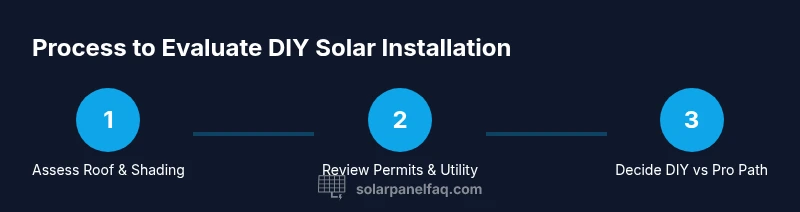
The question can you install solar panels yourself often comes down to safety, local rules, and the physical condition of your roof. There are plenty of planning tasks you can do as a homeowner — defining goals, estimating energy needs, and selecting an orientation strategy. However, the actual mounting of solar modules and the live electrical work needed to connect to your home and the grid are typically regulated activities. According to Solar Panel FAQ, most homeowners begin with a thorough planning phase, verify local permit requirements, and then decide whether to handle the non electrical tasks themselves or hire a licensed installer for the live electrical work. This approach protects you from common missteps that can affect safety, warranty coverage, and long-term performance.
Feasibility factors: roof, shading, and structure
Feasibility hinges on roof condition, shading, and structural capacity. A roof that’s steep, aging, or heavily shaded reduces system output and increases installation risk. Before deciding to DIY, map out roof sections with the best sun exposure, measure available area for panels, and note any obstructions like vents or skylights. Also consider roof material and edge clearance, as some mounting systems are better suited for concrete tiles, metal, or asphalt shingles. If you’re unsure about roof integrity, consult a professional roofer or structural engineer. Solar panels add weight; an inadequate roof structure can lead to costly repairs after installation.
Permits, codes, and insurance
Permitting and interconnection rules vary widely by city, county, and utility. In many jurisdictions, grid-tied systems require a permit, electrical inspection, and utility approval before interconnection. Failing to obtain proper permits can void warranties and complicate insurance claims after a problem occurs. Review your homeowner’s insurance policy to confirm coverage during and after installation, and understand whether adding solar affects your policy terms. Solar Panel FAQ analysis shows that permitting and interconnection are common stumbling blocks for DIY projects, so planning ahead is essential.
Electrical safety and system design basics
Electrical safety is a core concern in any solar project. While you can perform planning and component selection, the live wiring, inverter setup, and interconnection with the electrical panel pose significant fire and shock hazards if mishandled. Decide whether to use microinverters or a string inverter, understand the differences in maintenance, and plan for proper disconnects and labeling. The design must comply with electrical codes and utility requirements. If you lack formal training, hiring a licensed electrician or solar installer is strongly advised to guard against hazards and warranty voiding.
Budget, ROI, and options: DIY vs professional installation
Cost considerations go beyond panel price. DIY projects may reduce labor costs but require tools, time, and the risk of mistakes that can undermine performance. Professional installation includes permit handling, system design optimization, mounting, wiring, interconnection, and post-install inspections, which adds value through safety guarantees and warranty coverage. For many homeowners, a hybrid approach — handling planning, documentation, and some non-electrical tasks while leaving electrical mounting to a licensed pro — offers a balanced path. The decision often rests on your comfort with electrical work, roof access, and local regulations.
Actionable plan: deciding and next steps
If you’re leaning toward DIY, start with a formal feasibility assessment: confirm roof condition, sun exposure, and space for panels. Then, research local permit requirements and utility interconnection rules. Gather a few quotes from licensed installers to benchmark costs and timelines. If you opt for professional help, schedule a coordinated plan that covers design, permitting, installation, and final interconnection. Regardless of path, document everything and maintain a detailed maintenance plan post-install.
Tools & Materials
- Safety gear (hard hat, fall protection harness, non-slip shoes)(Essential for any rooftop work; use proper PPE and fall protection.)
- Measuring tape and roof plan markers(Needed to map usable panel area and spacing.)
- Digital camera or smartphone(Document roof condition, shading, and mounting points.)
- Ladder, hoist, and fall-arrest equipment(Ensure stable access and fall protection when on the roof.)
- Notebook or design software(Helpful for rough sizing and layout planning.)
- Utility contact list and permit guidelines(Compile local codes, permit steps, and interconnection rules.)
- UL-listed components or references for panels, mounting rails, and inverters(If pursuing DIY, choose components that are rated for outdoor use and labeled for solar mounting.)
Steps
Estimated time: 2-6 weeks
- 1
Assess roof suitability and shading
Evaluate roof age, structure, and the sun exposure of different roof sections. Create a rough layout showing where panels could go and how many you’ll need based on energy goals.
Tip: Have a structural professional review the roof if you’re unsure about load capacity. - 2
Check electrical readiness and access
Identify the main service panel location, available space, and existing wiring. Understand the disconnects and how a solar system would tie into the home’s electrical system.
Tip: Do not attempt to connect to the grid without proper permits and a licensed electrician. - 3
Research permits and utility requirements
Call your local building department and the utility to learn required permits, inspections, and interconnection procedures. Gather checklists and application forms.
Tip: Request written guidance and keep records of all communications. - 4
Decide on DIY vs professional path
Weigh your comfort with electrical work, roof access, and time against potential project risks and warranties. Consider getting at least three professional quotes for comparison.
Tip: Even if you DIY planning, plan for professional electrical work if needed. - 5
Plan components and budget
Choose panel type, mounting system, racking, and inverters; map the layout, wiring routes, and protection devices. Prepare a realistic budget and a timeline.
Tip: Use UL-listed components and ensure compatibility among all parts. - 6
Finalize path forward and next steps
If proceeding with DIY, finalize the non-electrical tasks and prepare documentation for permits. If hiring a pro, schedule the installation window and align with interconnection timelines.
Tip: Document all steps and keep a maintenance plan post-install.
Frequently Asked Questions
Is it legal to install solar panels yourself?
Permits and interconnection rules vary by location; in many places, grid-connected solar systems require a licensed installer. Always check local codes and utility requirements before starting.
Local rules often require a licensed installer for grid-connected solar. Check permits and utility requirements before you begin.
What are the main risks of DIY solar panel installation?
The biggest risks are falls, electrical shocks, and fire hazards from improper wiring or equipment mounting. Warranty and insurance may be affected if a professional is not involved for critical tasks.
Falls and electrical hazards are the main concerns. Professional installation helps protect warranties and insurance.
When should I hire a professional instead of DIY?
If your roof is steep or uncertain, you lack electrical training, or local rules require permits and interconnection, hiring a licensed professional is recommended.
If you’re unsure about wiring or permits, hire a professional to ensure safety and compliance.
What costs are involved in DIY vs professional?
DIY can reduce labor costs but may add risk and time. Professional installation covers design, mounting, wiring, permits, and inspections, which can reduce long-term risk and warranty issues.
DIY might save on labor, but professional installation covers wiring, permits, and interconnection with fewer risks.
What happens after installation?
Systems typically require inspection, interconnection approval, and inverter configuration. Keep documentation for future maintenance and warranty claims.
Expect inspection, interconnection approval, and inverter setup after installation.
Can I mix DIY planning with professional electrical work?
Yes, many homeowners plan and document non-electrical aspects themselves while leaving electrical connections to licensed professionals for safety and compliance.
You can plan non-electrical steps yourself and hire pros for wiring and interconnection.
How can I verify warranties when DIY?
Read warranty terms carefully; many manufacturers require professional installation for warranty validity. Keep receipts and product registrations.
Warranty terms often require professional installation; save all receipts and registrations.
Watch Video
Top Takeaways
- Assess roof suitability before buying panels
- Check local permits and interconnection rules early
- Weigh DIY planning against electrical safety and warranties
- Consult pros for electrical work and interconnection
- Plan for a maintenance and warranty-aware approach