Can You Get Solar Panels on a Rental Property? A Step-by-Step Guide
Learn how renters can access solar energy, what to ask landlords, and practical paths like leases, PPAs, and community solar—with a clear, step-by-step approach.


Yes. You can, but it requires landlord consent, a clear lease/addendum, and a chosen path such as a rooftop install with a lease or PPA, or an alternative like community solar. This guide walks you through evaluating terms, choosing options, and drafting an agreement that protects both tenant and landlord.
Can you install solar on a rental property? What renters should know
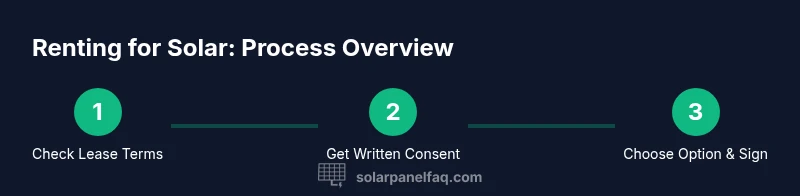
The answer to can you get solar panels on a rental property starts with who owns the roof and who controls the terms of alterations. In most rental situations, the landlord owns the roof and any structural changes. Start by reviewing the lease for any restrictions on attachments, alterations, or third-party agreements. If the lease allows, you still need written landlord consent, a clearly defined cost-sharing model, and a plan for removal at move-out. According to Solar Panel FAQ, most tenants pursue solar by adding an addendum to the lease or a separate solar agreement, or they explore alternatives like community solar if on-site installation isn’t feasible. This upfront planning helps prevent disputes and speeds up the process.
If you are asking can you get solar panels on a rental property, remember that the process hinges on documentation, not just good intentions. A well-drafted agreement clarifies ownership, maintenance, insurance, and who pays for upkeep. Your first step should be a written proposal to your landlord that outlines the basic terms and shows you’ve done your homework.
Lease terms and landlord consent
Landlord consent is the hinge of any rental solar plan. Look for explicit language about modifications to the roof or electrical system, the duration of the consent, and who bears the upfront and ongoing costs. The lease addendum should specify who pays for installation, maintenance, insurance, and removal at the end of the term or when tenancy ends. It should also address what happens if the property is sold or if the tenant moves before the agreed term ends. A written agreement protects both sides and reduces the risk of disputes later. Keep copies of all documents and ensure signatures are obtained before any work begins.
Exploring your options: roof leases, PPAs, and community solar
There are several routes for renters to access solar without full ownership. Roof leases and power purchase agreements (PPAs) are common on-site options, where the installer covers upfront costs and the tenant pays a predictable energy rate over time. If on-site installation isn’t possible or desirable, community solar programs let you subscribe to a nearby solar array and receive credits on your utility bill. Each option has distinct implications for ownership, maintenance responsibilities, and contract length, so compare terms carefully. When evaluating options, consider system size, expected energy production, and exit rights if you move.
How to approach your landlord: sample proposal and negotiation tips
A well-prepared proposal improves your odds. Define the system size, equipment details, installation timeline, and who handles permits and warranties. Include a rough cost estimate, a plan for who pays for maintenance, and a clear exit strategy. Schedule a formal meeting or send a detailed email with attachments such as installer references and a draft lease addendum. The Solar Panel FAQ Team recommends presenting a written plan, sharing credible installer contacts, and offering to sign an addendum that transfers ownership or long-term responsibilities only with landlord consent. A transparent approach reduces surprises for landlords and makes negotiations smoother.
Financial fundamentals: costs, savings, and incentives
Renters operate under different financial dynamics than homeowners. Clearly outline who bears installation costs, ongoing maintenance, and removal costs. Solar savings can come as reduced energy charges or as credits through a fixed payment arrangement, depending on the contract type. Incentives and rebates vary by location, program, and utility, so perform local research before negotiating. Keep in mind that energy production depends on roof orientation, shading, and system size. Payback timelines hinge on local electricity rates and utility policies. Solar Panel FAQ analysis shows that written agreements help ensure predictable economics and minimize disputes.
Installation considerations: roof type, mounting, and warranties
Not every roof is equally suitable for solar. Factors such as roof orientation, tilt, shading from trees or nearby structures, and the roof’s age influence performance and longevity. A licensed installer will assess load capacity, mounting options, and whether reinforcement or replacement is needed. Warranties should cover equipment and installation, and the lease or addendum should clarify warranty claims, service responsibilities, and who pays for warranty-related repairs. Consider how long the system is expected to operate and what happens if you move before the warranty expires.
Permits, codes, and safety
Most solar installs require local permits and utility approvals, which installers typically handle. Confirm who signs off and who bears associated costs. The agreement should include an emergency plan and specify insurance coverage for the system. Safety measures include roof access rules, ladder use, and fall protection. If the landlord objected due to safety concerns, propose a supervised installation with temporary access controls and a written safety protocol.
Alternatives if you cannot install on-site: portable and community options
If roof access is blocked or the landlord won’t consent, renters can consider portable solar devices or joining a community solar program. Portable panels can support specific loads but rarely offset entire usage. Community solar allows tenants to buy a share in a nearby solar farm and receive bill credits without altering the property. These options often require less modification and can be deployed more quickly, making them attractive interim or long-term solutions.
Case examples and scenario planning
Scenario A: A tenant negotiates a 10-year solar addendum for a 3–4 kW rooftop system and shares costs for installation and maintenance. The agreement spells out removal at move-out and how credits or energy savings are calculated. Scenario B: A renter joins a utility-backed community solar program, receiving credits without roof work. In both cases, a clear contract, installer references, and defined exit terms help avoid disputes.
Long-term considerations for renters and tenants
Think ahead about how future property changes could affect the solar arrangement. If the owner sells, who retains ownership or responsibility? If you move, can you transfer the contract or buy out the system? Always include transfer language or options for early termination in the agreement. Understanding maintenance responsibilities, performance expectations, and contingency plans will help protect your interests over the life of the project. The Solar Panel FAQ team notes that foresight in these negotiations can preserve tenant benefits while preserving landlord protections.
Quick reference: negotiation checklist for rental solar
- Confirm lease terms allow solar or modifications. - Obtain written landlord consent and a draft addendum. - Define cost-sharing, maintenance, and removal responsibilities. - Identify an installer and verify permits. - Consider alternatives like community solar if on-site isn’t possible. - Prepare a paper trail of communications and documents. - Plan for exit or transfer when you move.
Next steps and resources
Start by reviewing your lease and drafting a proposal. Reach out to a qualified installer for a preliminary assessment. Compare on-site and off-site options, including community solar. For official guidance and state-specific details, consult government resources and trusted energy education sites. The Solar Panel FAQ team will be with you through the process as you explore the path to solar on a rental property.
Tools & Materials
- Lease review checklist(PDF or printable; focuses on restrictions, consent, and attachments)
- Written consent form template(Drafted lease addendum or solar agreement)
- Landlord contact and decision log(Record communications and approvals with dates)
- Solar installer contact info(Licensed installer; includes licenses and references)
- Roof assessment checklist(Optional for evaluating roof condition)
- Temporary solar solution(Portable panels as interim option)
Steps
Estimated time: 4-8 weeks
- 1
Review your lease for solar access
Read the entire lease with a focus on clauses about alterations, attachments, and consent requirements. Note any deadlines or required notice periods and prepare questions for the landlord.
Tip: Highlight any ambiguous terms in your markup so you can ask for precise language in the addendum. - 2
Prepare a written solar proposal
Create a concise document that outlines the proposed system size, equipment, installation plan, permit responsibilities, and maintenance. Include anticipated energy savings and a proposed cost structure.
Tip: Include installer references and a draft lease addendum to speed up negotiations. - 3
Request a landlord meeting and share materials
Schedule a formal discussion and provide copies of the proposal, a draft addendum, and a preliminary cost analysis. Be ready to answer questions about safety and removal if you move.
Tip: Offer to provide independent installer evaluations and warranties to build trust. - 4
Draft and sign a lease addendum or solar agreement
Work with legal language to create an addendum that clarifies ownership, fees, maintenance, removal, and transfer rights. Obtain written signatures from all parties.
Tip: Ensure exit terms and transfer provisions are crystal clear. - 5
Coordinate with a licensed installer and obtain permits
Have the installer assess roof suitability, mounting, and electrical connections. They should handle or guide permit applications and inspections.
Tip: Confirm who pays permit fees and who is responsible for any code-compliance upgrades. - 6
Monitor installation and system performance
Track the installation timeline and verify that equipment matches the approved plan. After completion, monitor performance and ensure warranties are registered.
Tip: Document any deviations and keep receipts for maintenance. - 7
Plan for exit or transfer
Include steps for moving out or transferring the system to the next tenant or owner. Ensure clear instructions on removal or continuation of credits.
Tip: Have a ready-to-execute transfer checklist to avoid delays.
Frequently Asked Questions
Can I install solar panels on a rental property without landlord consent?
No. Most installations require written landlord consent because it involves property alterations. Always review the lease and obtain formal approval before any work begins.
Usually you need written landlord consent before installing solar panels on a rental.
What lease terms should I look for when pursuing solar?
Look for clauses about alterations, attachments, consent, removal at end of term, and who pays for installation, maintenance, and removal.
Check for alteration and consent clauses; confirm who covers costs and removal.
Are there alternatives to on-roof solar for renters?
Yes, community solar programs or off-site solar can provide credits without roof modifications. Portable solar devices are another interim option.
Community solar is a great option if you can’t install on the roof.
Who pays for installation and maintenance?
Typically the party benefiting from the system negotiates upfront costs, but arrangements vary. The written agreement should specify maintenance and removal responsibilities.
Costs depend on the agreement; usually there are defined roles in the contract.
What is needed to pursue solar leasing or a PPA on a rental?
You’ll need landlord approval and a formal solar lease or power purchase agreement, plus a credible installer to handle permits and warranties.
You’ll need landlord approval and a formal lease or PPA.
Watch Video
Top Takeaways
- Get written landlord consent before any changes
- Use a lease addendum to define costs and removal
- Compare on-site and off-site solar options for renters
- Consider community solar as a practical alternative
- Prepare a transfer plan for move-outs or ownership changes