Roof Solar Guide: Install, Optimize, and Save Energy
Learn how roof solar works, assess suitability, size your system, and navigate permits and warranties. A practical, step-by-step guide for homeowners seeking reliable energy from the sun.


Roof solar projects help homeowners evaluate roof readiness, select a mounting and inverter setup, and plan a safe, code-compliant installation. You’ll need a sunlit roof with minimal shading, safe access for installers, and awareness of local permits and warranties. This guide provides a detailed, step-by-step approach.
Understanding roof solar basics
Roof solar refers to photovoltaic (PV) systems installed on the surface of a residential roof to capture sunlight and convert it into electricity for home use. A typical system combines solar panels, an inverter, mounting rails, and electrical cabling. When planned well, roof solar can reduce grid consumption and improve energy resilience. For homeowners, the key ideas are location, performance, and durability—the roof must support panels, maintain a seal, and provide reliable sun exposure over decades. This section sets the foundation for evaluating what fits on your own roof and how to think about long-term ownership. Throughout, remember that every roof is unique, and Solar Panel FAQ emphasizes tailoring a solution to your home.
Assessing roof suitability and orientation
The first step is to evaluate how much sun your roof receives and whether shading from trees or vents will limit production. South-facing slopes (in the northern hemisphere) often yield the best results, but modern designs with optimizers and microinverters can accommodate east/west exposure. Roof condition matters: repair damaged shingles or tiles before mounting, and ensure there is structural support for the added weight. Finally, consider roof type (asphalt, tile, metal) and mounting options that minimize penetrations and leaks. Solar Panel FAQ notes that the best outcome comes from accurate shading assessments, clean roof surfaces, and a plan for future maintenance.
Types of roof solar systems and mounting options
There are several system configurations and mounting strategies to fit different roofs. Grid-tied systems are common for residential homes, offering clean energy during the day with net metering. Inverters can be central, string-based, or microinverters, each with trade-offs for performance and wiring simplicity. Mounting options include tile- and shingle-friendly penetrations, ballasted mounts for flat roofs, and flush mounts that preserve aesthetics. When choosing a system, consider roof longevity, wind load, and the ease of future expansions. Solar Panel FAQ stresses aligning mounting type with roof material to prevent leaks and prolong panel life.
Sizing your system and estimating production
System size should align with your annual electricity usage, available roof area, and local sun hours. Begin with a consumption profile from your utility bills and translate it into a target annual production. Account for shading, seasonal variations, and system losses to estimate real-world output. Remember that production is not guaranteed year-to-year due to weather and aging components. A conservative plan may aim to cover a portion of consumption initially, with room for expansion as panels improve or as budgets allow.
Inverter choices and electrical considerations
Inverter selection is a core efficiency decision. Microinverters optimize performance on partially shaded roofs, while string inverters offer cost advantages for uniform roofs. The choice impacts system resilience, monitoring capabilities, and ease of future upgrades. Electrical design also involves proper DC wiring, rapid shutdown compliance, and safe enclosures. It’s important to coordinate with a licensed electrician to ensure grounding, bonding, and interconnection with the home’s electrical panel are performed to code. The Solar Panel FAQ framework recommends planning for inspections and documentation from the outset.
Installation overview: steps and timelines
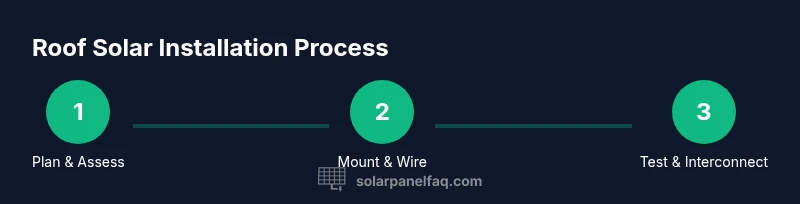
A typical roof solar project follows planning, permitting, mounting, wiring, interconnection, and commissioning. Scheduling depends on weather, permitting timelines, and service availability. Installation teams will lift equipment onto the roof, anchor mounting rails, install panels, connect the inverter, and perform safety checks. After wiring, a licensed electrician wires the system into the service panel and coordinates with the utility for an interconnection agreement. The process can span several days to a couple of weeks, depending on system size and local regulations.
Maintenance, warranties, and long-term performance
Solar roof systems require periodic inspection for loose rails, seal integrity around penetrations, and panel cleanliness. Most components come with manufacturer warranties covering performance and defects for substantial periods, though the exact terms vary by brand and installer. Regular cleaning and professional inspections help sustain output. The Solar Panel FAQ emphasizes documenting all warranties and keeping a service log to track performance and any maintenance actions.
Financials: costs, incentives, and payback
Costs vary widely by roof type, system size, and local market conditions. Incentives and tax credits, if available in your area, can significantly affect total cost and payback time. Rather than fixed prices, homeowners should seek quotes that include hardware, labor, permits, and interconnection. A clear comparison of quotes, including warranties and service plans, helps you assess value and plan for long-term savings. Solar Panel FAQ guidance stresses realistic expectations about payback depending on location and incentive availability.
Environmental impact and sustainability considerations
Roof solar reduces reliance on fossil fuels and can lower your home’s carbon footprint. Consider the life cycle of panels, the manufacturing footprint, and whether recycling options exist at end of life. Efficient designs, higher-quality components, and proper siting can maximize sustainability gains. The Solar Panel FAQ notes that every installation contributes to broader environmental goals, especially when paired with energy storage or demand management strategies.
Choosing a installer and avoiding scams
Select a reputable installer with local project experience, proper licensing, and strong warranty terms. Request multiple quotes, check references, and verify credentials with state or provincial authorities. Avoid high-pressure sales tactics and beware unusually low bids that may imply hidden costs or subpar components. Solar Panel FAQ recommends written contracts detailing scope, timeline, warranties, and post-install support.
Future-proofing: monitoring and upgrades
Monitoring software helps you track production, panel temperature, and system health. Look for integrations with home energy management and performance alerts. If you plan future upgrades, confirm that the current mounting and electrical design can accommodate additional panels or storage. Proactive monitoring supports proactive maintenance and helps you maximize long-term energy savings.
Common myths about roof solar debunked
Common myths include claims that solar works equally well everywhere, that maintenance is excessive, or that inverters always fail. In reality, performance depends on roof orientation, shading, and component quality. Modern systems are designed to require minimal upkeep, with robust warranties and remote monitoring. The truth is that roof solar can be a reliable part of a home energy strategy when planned, installed, and maintained properly.
Tools & Materials
- Safety equipment (PPE: helmet, gloves, safety glasses)(Essential for all roof work)
- Roof anchor points and safety harness(Crucial for fall protection on pitched roofs)
- Ladders and fall protection gear(Secure footing and access)
- Insulated drill with bits suitable for roofing material(Drilling without damaging roof; use corrosion-resistant bits)
- Torque wrench and crimping tool(Tighten mounts to spec without overloading)
- Voltage tester and electrical safety gear(Verify circuits and prevent shocks)
- Mounting rails, clamps, and racking system(Securely hold panels; compatibility with roof type)
- Solar panels and inverter kit(Appropriate wattage and type for roof layout)
- Cabling, conduit, and weatherproof sealants(Ensure waterproof connections)
- Permits and inspection paperwork(Local permits, interconnection documents, and inspection forms)
Steps
Estimated time: 3-7 days
- 1
Assess roof suitability and sun exposure
Review shading, roof orientation, and structural integrity. Gather utility data and create a baseline of annual consumption to guide system sizing. Validate roof access and weather conditions for safe work.
Tip: Use a sun exposure app and a shade analysis tool to map potential shading at different times of day. - 2
Choose mounting system and plan layout
Select racking that matches roof type (tile, shingle, metal, flat). Plan panel orientation and spacing to optimize exposure while keeping safety margins. Confirm roof warranty compatibility before drilling.
Tip: Prefer non-penetrating options for flat roofs when feasible to minimize leaks. - 3
Select inverter technology and wiring setup
Decide between microinverters or string inverters based on shading and roof size. Plan DC/AC wiring routes and ensure conduit paths minimize exposure and damage. Coordinate with a licensed electrician for interconnection design.
Tip: If shading may be an issue, microinverters can maximize output under partial shade. - 4
Obtain permits and schedule installation
Apply for local building permits and utility interconnection approval. Schedule installation dates with clear milestones and contingency plans. Prepare for a post-install inspection.
Tip: Gather all quotes and verify warranty coverage before signing contracts. - 5
Install mounting hardware and panels
Attach rails, secure mounts, and mount the solar modules. Ensure seals around penetrations, verify alignment, and maintain weatherproofing. Keep panels free of debris during installation.
Tip: Match fastener length to roof thickness and follow torque specs precisely. - 6
Connect, test, and commission the system
Wire the array to the inverter, connect to the main panel, and perform safety interlocks. Test production, check monitoring data, and obtain utility approval for net metering. Complete all required inspections.
Tip: Document all test results and retain warranty documentation for future reference.
Frequently Asked Questions
What is roof solar and how does it work?
Roof solar refers to photovoltaic panels mounted on your roof to capture sunlight and convert it into electricity. An inverter turns DC power into usable AC power for your home. The system includes mounting hardware, cabling, and protection devices to ensure safety and reliability.
Roof solar uses panels on your roof to generate electricity, with an inverter converting it to usable power for your home. It also includes mounts, wiring, and safety features.
How long does roof solar installation take?
Installation timelines vary by system size and roof type but typically span several days from planning to commissioning. Weather, permitting delays, and utility interconnection play major roles in the schedule.
Most installations take a few days, but schedules can shift with weather and permit timelines.
Do I need planning permission for roof solar?
Most jurisdictions require permits and electrical inspections for roof solar installations. Your installer can guide you, but you should confirm requirements with your local authority before starting.
Yes, permits and inspections are commonly required; your installer should help you navigate this.
What if my roof is shaded or irregular?
Shading reduces output, but modern systems with microinverters or power optimizers can mitigate some losses. A detailed shading analysis helps determine feasibility and expected production.
Shading reduces output, but the right components can lessen the impact and still provide good results.
Are roof solar warranties important?
Warranties cover performance, workmanship, and components for varying periods. Read terms carefully, especially for labor and roof penetration seals, to protect long-term energy savings.
Warranties matter for long-term reliability; review terms for panels, inverters, and mounting.
Can I finance roof solar?
Financing and leasing options exist, often with attractive terms tied to energy savings. Compare total costs, interest, and payback periods to determine the best fit for your budget.
There are financing options available; compare costs and payback to decide what works for you.
Top Takeaways
- Assess sun exposure before planning.
- Choose mounting and inverter based on roof type and shading.
- Secure permits and compare warranties thoroughly.
- Monitor performance and plan for maintenance.