How Much Solar Panels on Roof? A Sizing Guide for 2026
A practical sizing guide for how much solar panels on roof you need, balancing energy use, roof space, and sun exposure. Learn sizing basics, use our calculator, and plan for permits and savings in 2026.


How much solar panels on roof: sizing basics
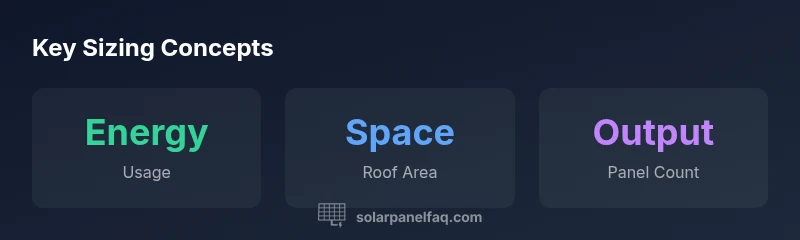
According to Solar Panel FAQ, sizing a residential solar system starts with two inputs: your energy use and your roof's available space. This foundational step guides how many panels you’ll need and what kind of panel wattage best fits your home. The next layers involve sun exposure, orientation, shading, and local conditions that can boost or dampen the system’s actual output. By understanding these factors, you can avoid under- or over-sizing your system and maximize your return on investment. This section lays the groundwork for translating a monthly bill into an annual target and then into a practical panel count that fits your roof.
Key factors that influence panel count
Panel count is not a single number—you size around several interacting inputs. The most important are your annual energy use and the panel’s wattage. Roof space and panel dimensions set the ceiling on how many modules can physically fit. Sun exposure, including orientation and shading, determines how much energy each panel actually produces over a year. System losses from wiring, inverters, and temperature effects reduce total output. Local codes, permits, and incentives can influence the practical system size you pursue. Understanding these factors helps homeowners set realistic goals and avoid surprises during installation.
How roof orientation and shading affect panel counts
South-facing roofs in many climates offer the best year-round production, but east/west orientations can still work well with longer tilt periods. Shading from trees, vents, or chimneys can dramatically lower the effective output of a whole string of panels. When planning panel counts, consider shade-free windows of the day and the worst-case shading during peak sun hours. The net effect is that two homes with identical roof areas and energy use can end up with different panel counts simply due to sun exposure and shading patterns. Planning around shading often means you can optimize count by choosing higher-efficiency modules or microinverters.
How to estimate using simple rules of thumb
A rough guideline is that each kilowatt (kW) of solar capacity typically requires several standard panels, with higher-wattage models reducing the total count. If your goal is a specific annual kWh target, you can translate that target into a system size in kW, then convert to panels based on the panel wattage. Remember that real-world conditions like temperature, wiring losses, and inverter efficiency will nudge results away from the simple math. This section helps you form a quick, mental model before using a calculator for precision.
How the calculator translates goals into panels
The calculator uses a straightforward model: it estimates annual output per panel as (panelWattage / 1000) × sunHoursPerDay × 365 × 0.8, then computes the required panel count by dividing your desired annual kWh by that per-panel output. To reflect roof constraints, it also caps the number of panels by available roof area, using a conservative area-per-panel value. The final result is the minimum of these two values to ensure both energy goals and physical space are respected. The model is intentionally simple for clarity and quick planning.
Planning considerations: roof space, mounting, and permits
Before you commit to a count, verify your roof can physically support the system. Roof age, material, and current structural integrity matter, as do local wind and snow loads. Permitting requirements vary by jurisdiction and may affect how many panels you can install at once. Electrical interconnection rules and utility approvals can also influence the feasible system size. A sizing plan should include a realistic panel count, a contingency for future expansion, and a clear understanding of permit steps and timelines.
Practical steps to optimize panel count
- Aim for the best possible orientation and tilt to maximize annual output per panel.
- Consider higher-efficiency panels if roof area is limited.
- Use microinverters or optimizers to mitigate shading losses and squeeze more value from each panel.
- Plan for a possible future expansion: run conduit and fuse blocks in a way that makes adding panels easier later.
- Pair sizing with energy-efficiency upgrades (LED lighting, smart thermostats) to reduce annual kWh and shrink panel counts without sacrificing comfort.
Next steps: data gathering and quotes
Gather your last 12 months of utility bills, your roof dimensions, and any shading notes. With energy goals and roof data in hand, request quotes from multiple installers and compare panel wattage, mount options, warranties, and expected production. Ask installers to run a sizing analysis using your actual sun exposure data and to show you how changes in panel wattage or orientation would affect the count. A well-documented plan makes the install smoother and the savings clearer.