Solar Panels After Hurricane: Recovery and Safe Recheck
Learn to safely assess and restore solar panels after a hurricane, with practical steps, safety tips, and insurance considerations to protect your investment.


Task: safely assess and restore solar panels after a hurricane, with emphasis on safety, basic visual checks, and when to call a pro. You’ll learn how to inspect mounting, wiring, and shading, fix minor debris, and document damage for insurance. This guide uses clear steps to help homeowners protect their solar investment after severe storms.
After a Hurricane: Immediate Safety and Assessment
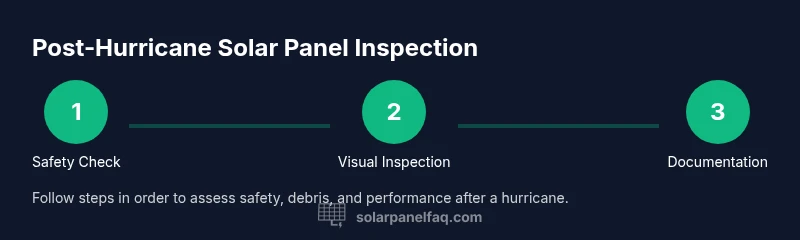
Immediately after a hurricane, safety comes first. According to Solar Panel FAQ, homeowners should treat any damaged system as potentially dangerous and avoid touching exposed wiring or wet components. Even when panels look intact, the electrical cabinet, disconnects, and roof-mounted hardware can pose shock or fire risks if water has penetrated. Start with a cautious visual survey from a safe distance. Look for loose mounts, cracked glass, or sharp debris, and note areas where the roof or mounting brackets appear compromised. If a roof access path is blocked or the roof shows signs of structural damage, do not attempt to reach the panels. Instead, document the scene with photos from ground level or a drone if available, and contact a licensed solar technician or your insurer to determine the next safe steps. Your priority is personal safety and preserving any remaining system integrity for a professional evaluation.
Quick Checks for Solar Panels After a Hurricane
When it’s safe to approach the array, perform these quick checks to triage conditions without diving into repairs. From ground level, inspect mounting rails for signs of bending, corrosion, or looseness. Look for panel shingle separation, broken frames, or glass cracks. Check for new shading from fallen trees or debris and verify that no water is pooling around the inverter or disconnect box. If you can safely access the inverter area, ensure the DC and AC disconnects are still labeled and intact. Do not attempt to reconnect or power the system if any component is damaged; instead, capture clear photos and log the exact location and damage type to share with your solar technician.
Cleaning and Debris Removal Without Causing Damage
Post-storm debris can hide damage. Use a soft brush or microfiber cloth to remove loose dirt from panels only when the panels are cool and not wet. Avoid pressure washers or abrasive cleaners, which can scratch the glass or loosen seals. Do not climb onto a wet roof; if debris is stubborn, contact a professional. If you must remove leaves or salt spray near electrical components, keep tools dry and insulated. After cleaning, inspect for micro-cracks or loose modules, and document any grit that could affect performance.
Electrical Safety and System Integrity
Solar electrical safety requires caution. Do not poke around exposed wiring or connectors with metal tools. If the installation shows signs of water intrusion, do not attempt electrical testing; wait for a licensed electrician or solar technician. The system’s DC disconnect should be clearly labeled; if you cannot locate it, do not energize the system. Inverters can continue to produce hazardous voltages even when the grid is down, so professional assessment is essential after a hurricane.
Assessing Performance: How to Tell If Panels Are Still Working
Visual checks only go so far. After storms, it’s common for performance to dip due to shading, soiling, or frame sag. Use your monitoring app or inverter display to compare current production with pre-storm baselines when available. If production is consistently low across several days, a professional inspection is warranted. Note any unusual error codes and document their timestamps; this aids technicians in diagnosing the root cause.
Insurance, Warranties, and Documentation
Documenting damage is critical for insurance and warranty purposes. Take timestamped photos of all affected components, including mounting rails, wiring, and inverters. Review your policy for hurricane or wind-damage coverage and note any deductibles or claim requirements. If your system is under manufacturer warranty, verify whether storm damage is covered and whether an authorized contractor must perform repairs. Keep copies of estimates, receipts, and correspondence for fast processing.
Preventive Measures and Maintenance for Future Hurricanes
To reduce future risk, implement proactive maintenance and protective measures. Trim nearby branches that could fall on panels; ensure proper clearance from roof edges; check sealants around rails for wear; consider upgrading to higher wind-rated mounts if your area experiences severe storms. Establish a routine post-storm inspection window and schedule a professional annual check to keep performance and safety in top condition. By planning ahead, you can minimize downtime and maximize ROI.
When to Call a Professional: Finding the Right Help
Not all post-storm issues are DIY friendly. If you observe cracked glass, corroded connectors, burning odors, buzzing sounds, or a noticeable drop in energy production, contact a licensed solar technician immediately. Ask about certifications, warranty handling, and whether the contractor can coordinate with your insurer. For roof work, hire someone with proper fall protection and a current contractor license. Quick access to qualified help can prevent further damage and ensure safe re-energizing when conditions permit.
Quick Reference Post-Storm Checklist
Use this concise checklist to stay organized after a hurricane: 1) Ensure personal safety; 2) Document damage with photos; 3) Check mounts, frames, and glass; 4) Avoid touching damp wiring; 5) Contact a pro for electrical testing and repairs; 6) Review insurance coverage and claims.
Tools & Materials
- Stable ladder rated for roof access(Non-slip feet; secure footing; avoid using on slick surfaces)
- Non-conductive insulated gloves(EN safety standard; leather over-glove for grip recommended)
- Safety goggles(Protect eyes from debris and splashes)
- Flashlight(LED preferred; keep batteries dry and accessible)
- Voltage tester or multimeter(Used only by trained personnel; do not test live circuits without training)
- Non-conductive tool or insulated screwdriver(For gentle probing; never pry live connections)
- Camera or smartphone for photos(Capture multiple angles and close-ups of mounts and wiring)
- Notepad and pen(Record dates, damage types, and locations)
- Rope or fall-arrest equipment (optional)(Only if trained and local code permits; safety first)
- Weather-appropriate clothing and footwear(Non-slip shoes; rain gear if conditions permit)
Steps
Estimated time: Estimated total time: 45-90 minutes
- 1
Power down and secure area
Switch off the DC and AC disconnects from the main service panel. Ensure you have a clear escape path and avoid approaching wet surfaces. If you cannot locate or safely access the disconnects, do not energize the system and wait for a professional.
Tip: Confirm the main service is off and wait 5–10 minutes for capacitors to discharge before approaching equipment. - 2
Inspect mounting rails from a safe stance
From ground level or a stable ladder, look for bent rails, loose fasteners, or corrosion. Do not crawl onto the roof if it feels unstable. Note any misalignment that could affect panel safety or performance.
Tip: Take wide-angle photos to document rail condition for your technician. - 3
Check for debris and shading
Remove loose leaves or branches only if panels are cool and accessible from a safe stance. Assess whether shading from trees or debris could reduce output. Do not attempt aggressive cleaning or climbing the roof in windy or wet conditions.
Tip: Avoid brushing glass with abrasive materials; use a soft brush. - 4
Inspect wiring and junction boxes
Look for exposed conductors, moisture, or corrosion in accessible areas around inverters and disconnects. Do not touch or manipulate damaged wiring. If you suspect water intrusion, stop and call a professional.
Tip: Document any signs of moisture with photos and timestamps. - 5
Test performance using safe monitoring
If you have an app or inverter display, compare current production to typical baselines. Do not attempt live electrical testing; rely on monitoring data and professional evaluation if performance has dropped.
Tip: Record production data daily for a week to establish a trend. - 6
Document damages and plan a pro visit
Compile a damage log with location, type, and severity. Schedule a licensed solar technician to perform a thorough inspection and any required repairs. Share your notes with your insurer for faster claims.
Tip: Keep copies of all photos and notes in a dedicated storm-damage folder.
Frequently Asked Questions
Is it safe to inspect solar panels after a hurricane?
Yes, but only after you ensure personal safety and power is isolated. Avoid touching damaged wiring and call a professional for any electrical concerns.
Yes—safety first. If you’re unsure, pause and contact a licensed solar technician.
What signs indicate panels were damaged by a hurricane?
Cracked glass, loose mounting rails, corrosion, or water intrusion around electrical components are common indicators of hurricane-related damage.
Watch for cracked glass, loose mounts, and moisture near electrical parts.
Can I clean panels after a hurricane?
Yes, if panels are dry and accessible. Use a soft brush, avoid high-pressure cleaning, and never scrub wet panels on a slippery roof.
You can clean gently if it’s dry, but don’t rush or climb a wet roof.
Should I file an insurance claim for solar panel damage?
Document damages with photos and notes, then contact your insurer to understand coverage and required documentation.
Yes—document everything and talk to your insurer about coverage.
When should I replace damaged panels?
If glass is severely cracked, frames are bent, or performance cannot be restored, consult a pro about replacement options.
If damage affects safety or output, replacement may be necessary after professional evaluation.
Watch Video
Top Takeaways
- Safety first; avoid any live electrical work if unsure.
- Document all storm-related damages for claims.
- Do not attempt major repairs yourself; hire licensed pros.
- Use post-storm checks to plan proactive maintenance.