Protect Solar Panels: A Practical Homeowner's Guide
Learn practical, step-by-step ways to protect solar panels from weather, debris, and wear. This guide covers maintenance, mounting considerations, and safety for homeowners seeking optimal energy output.


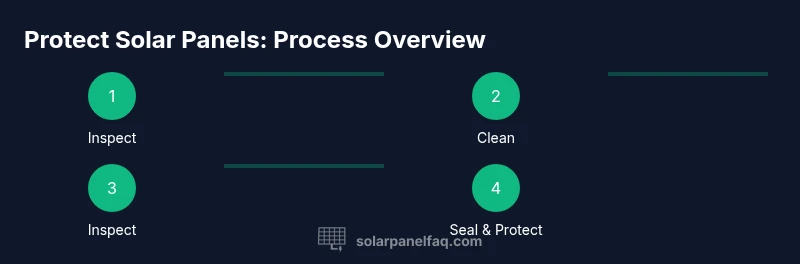
You will learn how to protect solar panels effectively, from routine cleaning and inspection to protective barriers and proper mounting. Start with a visual inspection for damage, ensure devices are weather-rated, and use manufacturer-approved sealants and mounting hardware. By the end, you’ll know preventive steps to extend panel life and maintain performance.
Why Protect Solar Panels Matters
Protecting solar panels is not just about keeping them clean; it’s about preserving energy production, extending lifespan, and safeguarding warranties. When you protect solar panels, you reduce the risk of microcracks, corrosion, and weather-related damage that can degrade efficiency over time. Solar Panel FAQ's guidance emphasizes proactive maintenance as a key driver of long-term performance, especially in areas with hail, strong winds, or heavy snowfall. For homeowners, a small investment in protection today can translate into steadier output and fewer costly repairs later. In essence, protection is a practical, ongoing act that supports reliable solar power for years to come.
Routine Visual Inspections: What to Look For
A visual inspection is your first line of defense. Look for cracks, chips, or discoloration on glass, loose mounting bolts, corrosion on rails, and sealant gaps around edges. Check the wiring for signs of wear or abrasion at entry points. If you notice anything unusual, document the issue with photos and note the date. Regular inspections help you spot issues before they become expensive repairs and are a core part of protecting solar panels over their lifetime.
Cleaning Without Damage: Best Techniques
Cleaning is essential to maintain energy output, but aggressive methods can damage coatings or sealants. Use a soft-bristle brush or microfiber cloth with mild, non-abrasive cleaner or warm water. Avoid harsh solvents, ammonia, or high-pressure washers that can strip coatings or force water into vulnerable seams. Clean on cool, cloudy days to prevent quick drying and streaking. Always rinse thoroughly and dry with a clean cloth to avoid mineral deposits that reduce efficiency.
Protective Mounting and Roof Considerations
The mounting system is a critical component of protection. Ensure rails, brackets, and ballast are properly rated for your roof type and local wind speeds. Use manufacturer-approved fasteners and sealants to prevent leaks and corrosion. If you’re unsure about mounting integrity, consult a professional. Proper mounting not only protects panels but also safeguards your roof structure from shifting under wind or ice storms.
Weather-Proofing for Seasonal Changes
Seasonal weather can challenge solar panels in different ways. High winds can loosen hardware, hail can cause micro-damage, and salt spray can corrode components near coastlines. Inspect seals around edges after storms and consider protective edge guards if your area experiences frequent debris. In winter, ensure snow removal is performed safely, avoiding direct pressure on the glass. Protective measures reduce the chance of weather-related performance dips.
Debris Management and Shielding from Shading
Leaves, pine needles, and other debris accumulate over time and can shade cells or trap moisture. Regularly clear debris from the panel surface and remove branches encroaching on the array. Pruning nearby trees to maintain a clear 5–10 feet of clearance can sustain optimal sun exposure. Debris protection is a simple, effective way to protect solar panels without costly upgrades.
Ice, Snow, and Frost Management on Panels
Snow and ice can dramatically reduce output. When safe, gently remove snow with a roof rake or soft brush, working from the top of the panel outward. Do not slam or strike panels; impact can crack glass. Avoid using metal tools that can scratch coatings. After clearing, let sun and wind naturally clear residual ice. Preserve your panel warranty by documenting any weather-related incidents.
Electrical Safety While Inspecting and Cleaning
Electrical safety is non-negotiable. Always switch off the PV disconnect and follow manufacturer instructions before touching any wiring. Wear protective gloves and eye protection, and keep metal tools away from live components. If you detect damaged cabling or exposed conductors, stop work and call a licensed professional. Respecting safety protocols protects you and your investment.
When to Hire a Professional
Some tasks are best left to pros, especially roof work or signs of structural damage. If you notice loose mounting, damaged wiring, significant corrosion, or difficulty accessing the system safely, hire a certified installer. A professional can perform a thorough inspection, test performance, and replace any compromised components, preserving efficiency and warranties.
Cost Considerations and Return on Investment
Protection work that prevents damage often proves cost-effective by avoiding early replacement and efficiency losses. While there’s a range of prices for professional inspections and protective upgrades, prioritizing preventative care maintains system performance and can improve long-term ROI. Remember to document protective upgrades for warranty compliance.
Maintenance Schedule and Checklists to Use
Create a simple maintenance calendar: seasonal inspections (spring and fall), post-storm checks, and an annual professional audit. Keep a log of all observations, actions taken, and parts replaced. This routine checklist supports consistent protection of solar panels and helps you stay on top of potential issues before they affect performance.
Common Mistakes to Avoid
Avoid relying on harsh chemicals, high-pressure washing, or stepping directly on panels. Do not install non-approved accessories that void warranties. Never ignore unusual noises, unusual performance drops, or loose mounting; address these signals promptly. Following best practices reduces risk and keeps solar panels protected.
Tools & Materials
- Soft-bristle brush or microfiber cloth(Non-scratch tools for gentle cleaning)
- Mild non-abrasive solar panel cleaner or warm water(Avoid ammonia or harsh solvents)
- Ladder with stabilizers or roof anchor system(Safe access to rooftop; follow local code)
- Safety harness and fall protection gear(If working on pitched roof)
- Safety goggles and gloves(Protect eyes and hands)
- Non-ammonia glass cleaner (optional)(For stubborn residues)
- Sealant and weatherproof gasket (manufacturer-approved)(For minor sealing around mounts)
- Digital camera or smartphone to document condition(Record before/after)
Steps
Estimated time: 2-3 hours
- 1
Inspect baseline condition
Before any work, walk the property and document current condition by photographing panels, mounting rails, and seals. Look for cracks, loose fasteners, corrosion, or damaged seals. This foundation helps you plan protective actions and establish a maintenance baseline.
Tip: Take wide shots from ground and close-ups from a ladder to capture all angles. - 2
Clean panels safely
Gently remove loose dirt with a soft brush, then wash with mild cleaner and water. Rinse thoroughly to avoid residue. Dry with a lint-free cloth to prevent mineral streaking that can reduce efficiency.
Tip: Clean in shade to prevent rapid drying and streaking. - 3
Check mounting and seals
Inspect rails, bolts, and mounting hardware for looseness or corrosion. Re-tighten fasteners as needed per manufacturer guidelines and reseal joints if you notice gaps or water intrusion. Document changes with photos.
Tip: Only use manufacturer-approved sealants to avoid warranty issues. - 4
Protect edges from debris and wind
Install edge guards or bird deterrents if your area experiences frequent debris or nesting. Ensure any accessories are compatible with your mounting system and do not create wind uplift risks.
Tip: Avoid non-approved accessories that could affect warranty or system safety. - 5
Manage snow and ice
In winter, remove snow cautiously with a roof rake from the ground level or reach without stepping on panels. Do not strike the glass with metal tools. Allow ice to melt naturally when safe, avoiding panel damage.
Tip: Schedule snow removal during daylight hours and clear gradually. - 6
Manage shading and vegetation
Trim tree branches to maintain an unobstructed sunpath for your array. Aim for 5–10 feet of clearance around the panels to minimize shading throughout the year.
Tip: Keep gutters and nearby roofs free of debris to prevent water flow issues. - 7
Document and schedule maintenance
Record all inspections, cleaning, and replacements in a dedicated log. Set reminders for seasonal checks and annual professional evaluations to maintain protection momentum.
Tip: Use a calendar app or notebook to track dates and findings.
Frequently Asked Questions
Do I need to clean solar panels to protect them?
Cleaning can help maintain efficiency, especially if debris accumulates. Use gentle methods and avoid harsh chemicals that could damage coatings.
Cleaning helps efficiency, but use gentle methods and avoid harsh chemicals.
Can I install protective measures myself or should I hire a pro?
Basic inspections and cleaning are doable for many homeowners. Roof work or mounting concerns should be done by a licensed professional.
You can do basic checks, but for roof work hire a pro.
What sun exposure considerations affect protection?
Direct sun increases drying speed and glare; schedule cleaning for cooler parts of the day to avoid streaks and burns.
Avoid cleaning in the middle of the day; schedule for cooler times.
How often should I schedule inspections?
Seasonal checks plus an annual professional inspection help maintain protection and detect issues early.
Do seasonal checks and at least yearly professional inspection.
Are there warranty implications for using non-approved sealants?
Using non-approved products can void warranty; always follow the manufacturer’s guidelines for sealing and mounting.
Check your warranty and stick to approved products.
What safety gear is required for rooftop work?
Wear fall protection, a harness, non-slip shoes, and follow local safety rules during rooftop work.
Wear a harness and secure footing.
Watch Video
Top Takeaways
- Inspect regularly to catch damage early
- Use gentle cleaning methods and approved products
- Keep panels clear of debris and shade
- Document maintenance for warranty and performance