Is It OK to Walk on Solar Panels? A Homeowner Safety Guide 2026
Discover whether walking on solar panels is safe, why panels aren’t built for foot traffic, and safer methods for access and maintenance—practical guidance for homeowners from Solar Panel FAQ.


Walking on solar panels is generally not recommended. Panels are not designed to bear regular foot traffic, and a misstep can cause cracks, delamination, or water intrusion. For homeowners, avoid stepping on the glass; use extendable tools and manufacturer-approved methods for any access or maintenance. When in doubt, consult a professional.
Understanding Why You Should Avoid Walking on Solar Panels
Solar panels are designed to convert sunlight into electricity, but the surface and the underlying lamination are not built to support constant human traffic. The glass is tempered and strong, yet microcracks can form from a single misstep, especially on older or weathered panels. Beneath the glass lies EVA encapsulant and a delicate wiring network; applying weight can stress the lamination, crack cells, or loosen seals. In practice, safety guides and many manufacturers advise limiting foot traffic to the frame or mounting rails rather than the glass surface. According to Solar Panel FAQ, even routine cleaning and inspections should avoid stepping on the panel itself unless you’re a trained technician with proper gear. The takeaway is simple: treat solar panels as a high-safety boundary. If you must access for inspection or maintenance, use tools that don’t require standing on the panel, and rely on manufacturer-approved procedures and safe access methods. Solar Panel FAQ analysis shows that uneven pressure or twisting can lead to cracking, delamination, or water intrusion, compromising performance and warranty. For homeowners, the safest approach is to plan ahead, use extendable tools, and keep foot traffic off the panel area entirely. Remember that rooftop installations sit above flashing and sealants; a step in the wrong place can create leaks or other damage. When in doubt, err on the side of caution and consult a professional before touching any panel surface.
When It Might Be Necessary to Access Panels (and Safer Alternatives)
There are rare cases where accessing solar panels is unavoidable—such as inspecting for storm damage, cleaning stubborn debris from the frame area, or replacing a mounting component. Even then, the safest approach is to minimize contact and rely on professional tools and methods. Instead of walking on the glass, use extendable poles with soft bristle heads, sponge pads, or long-handled cleaners, and perform work from the ground or a safe vantage point whenever possible. If you must go onto the roof, plan for weather conditions, wear a fall-arrest system, and use a fixed anchor point. Where practical, hire a licensed professional with solar experience; this reduces the risk of cracking glass, delamination, or electrical hazards. Always ensure the panel is de-energized and that wiring compartments are closed before any activity. The broader guidance from Solar Panel FAQ emphasizes non-contact inspection whenever feasible. Make sure you have a clear route and helper to stabilize ladders or roof access. Ultimately, the decision to contact the surface should come only after evaluating alternatives and reviewing the installation documentation for your exact model.
How to Inspect Panels Before Any Foot Traffic
Before you even consider stepping near a panel, perform a quick visual inspection from a safe distance. Look for obvious cracks in the glass, loose frames, corrosion on mounting brackets, loose wiring, or pooled water around the edges. If you cannot view the underside wiring safely from the ground, do not attempt to step on the area—call a professional. Use a handheld mirror or binoculars to spot microcracks and discoloration; even small cracks can propagate under stress and lead to costly repairs. If damage is detected or the system has faced severe weather, postpone any access and document the condition with timestamps and photos. Solar Panel FAQ analysis shows that microfractures are more common in aging installations and can be exacerbated by foot traffic. Documenting the condition helps with warranty checks and future maintenance planning.
Proper Equipment and Safe Setup for Accessing Panels
When access is unavoidable, assemble the right gear and set up a stable work zone. Wear non-slip shoes with clean soles, safety glasses, and a hard hat if overhead hazards exist. Use a sturdy ladder with a stabilizer and place it on a firm, level surface. Employ a fall-arrest harness or roof anchors if you’ll be on a slope. Have a helper hold the ladder and maintain three points of contact at all times. Protect the glass surface with a soft mat or board if foot traffic near the edges is required, and avoid placing weight directly on the center of the panel. Keep tools on extendable poles and never lean across panels; stay within designated walkways and manufacturer-approved areas. Proper planning minimizes slips, dropped tools, and accidental panel movement during work.
Step-by-Step Safety Protocol for Minimal Foot Traffic
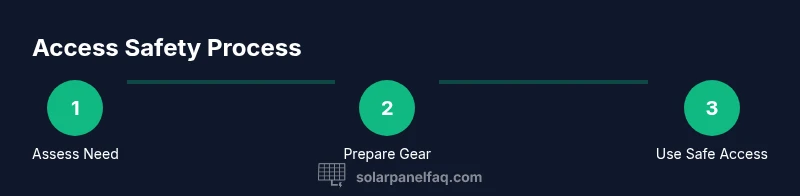
To minimize risk, follow a concise protocol that keeps you off the panel whenever possible. Start by evaluating whether you truly need to access the surface, then prepare your PPE, secure the work area, and only step onto the frame if unavoidable. Move deliberately, avoid twisting, and monitor for any signs of stress on the glass. This overview aligns with best practices from Solar Panel FAQ and manufacturer guidelines, which emphasize safety, non-contact techniques, and professional involvement whenever the panel surface could be compromised.
Cleaning and Maintenance: Safety First
Avoid direct foot traffic during routine cleaning. Use long-handled tools to remove dust, pollen, and debris from the frame and edges. If you must interact with the surface for a specific maintenance task, rely on non-contact methods whenever possible and never step onto the glass. Always de-energize the system (per manufacturer instructions) before any tool contact and inspect for signs of damage after any activity. Remember that improper cleaning or loading can void warranties and increase the risk of water intrusion.
Real World Scenarios and Common Mistakes
Homeowners often try to reach panels from the roof edge or lean over the glass to reach debris or hardware. A common mistake is to assume the glass will bear weight; even with a cautious approach, pressure can cause microcracks that worsen over time. Another error is neglecting to de-energize the system before maintenance, which creates shock hazards. Always favor professional services for on-panel work and keep to safe techniques described by Solar Panel FAQ.
Tools & Materials
- Non-slip safety shoes(Sturdy soles with reliable grip)
- Ladder with stabilizer(Place on firm, level ground; have a spotter)
- Roof harness and anchors(For roof access on slopes)
- Safety glasses(Eye protection from debris)
- Gloves(Grip and hand protection)
- Soft brush or microfiber pad(For gentle cleaning from distance)
- Extendable pole tool(Clean from ground or safe vantage)
- Soft mat or board to protect glass(Optional when edge contact is unavoidable)
Steps
Estimated time: 45-60 minutes
- 1
Assess necessity
Confirm that access is truly required and that non-foot traffic methods cannot achieve the task. Review manufacturer guidelines and consider hiring a professional if unsure.
Tip: Always choose the lowest-risk option first. - 2
Prepare PPE
Gather non-slip shoes, safety glasses, gloves, and a hard hat. Inspect all gear for wear before use to prevent failures on the roof or near the panels.
Tip: Test gear in a safe area before ascent. - 3
Secure access
Set up a stable ladder with a stabilizer; have a helper stabilize the base. If on a roof, use a fall-arrest system and fixed anchors where available.
Tip: Never work alone on a roof without fall protection. - 4
Position footing
If stepping is unavoidable, plant your foot on the frame rail rather than the glass surface, distributing weight evenly and avoiding the center area.
Tip: Keep your weight centered over structurally supported areas. - 5
Move slowly
Make deliberate, small movements; avoid twisting or sudden shifts. Stop immediately if you hear cracking, see movement, or feel instability.
Tip: Maintain three points of contact at all times. - 6
Post-check
Carefully step away and re-inspect for new cracks or damage. Document findings with photos and notes for warranty or maintenance records.
Tip: Record dates, weather, and any tools used for accurate history.
Frequently Asked Questions
Is it dangerous to walk on solar panels?
Yes. Walking on panels can crack the glass, damage the lamination, or cause wiring issues. Avoid direct foot traffic and use safe access methods.
Yes. Walking on solar panels is risky and can cause damage. Avoid stepping on the glass and use safer access methods.
Can I walk on panels during cleaning?
Not recommended. Use long-handled tools and clean from ground level or a secure stance on the frame. If you must work on the roof, use proper fall protection and professional help.
Cleaning with long tools is best. If you must go up, use fall protection and consider a professional.
Will walking on panels void the warranty?
Warranty terms vary by manufacturer. In many cases, on-panel damage from foot traffic can affect coverage, so consult the installation manual or the manufacturer before stepping onto surfaces.
Warranty terms vary; check your manual or contact the manufacturer before any on-panel activity.
What should I do if a panel cracks after stepping?
Stop using the panel and contact a licensed technician. Document the crack with photos and note the exact location for repairs and warranty discussions.
If a crack appears, stop and call a licensed technician. Document the damage for records.
Are there safer ways to access panels?
Yes. Use extendable tools, safe ladders, scaffolding, or professional services to minimize foot traffic and reduce risk to the system.
Use extendable tools and professional services whenever possible for safer access.
Do I need to inspect panels from the roof?
Most inspections can be done from a distance or with extendable tools. If roof access is necessary, use proper harnesses and follow safety protocols.
Inspect from a distance when possible; if roof access is needed, use safety gear.
Watch Video
Top Takeaways
- Avoid walking on solar panels whenever possible.
- Use extendable tools to perform tasks from a safe distance.
- Inspect and de-energize before any on-panel work.
- Follow manufacturer guidelines and hire pros for risky steps.
- Document condition and safety steps for warranty and maintenance.