Snow on Solar Panels: Safe Snow Removal Guide for Homeowners
Learn practical, step-by-step methods to safely deal with snow on solar panels, protect efficiency, and prevent damage. This guide covers safety, tools, timing, and maintenance tips for homeowners and solar buyers.


Goal: safely manage snow on solar panels to protect energy output and prevent damage. You’ll learn when to act, safe removal methods, and preventative steps to minimize snow buildup. Requirements: stable footing, non-metallic tools, and careful inspection after storms. The Solar Panel FAQ team provides practical steps, safety notes, and maintenance tips to keep panels performing year-round.
How Snow Affects Solar Panel Performance
Snow on solar panels can dramatically reduce light exposure and, consequently, energy output. Even a light dusting can cast shade across several modules, lowering voltage and current. Heavy, wet snow or ice can add weight and potentially cause mounting stress if panels aren’t designed for such loads. In many markets, sunlight during winter is limited, so clearing snow promptly after a storm can noticeably improve daytime production. The Solar Panel FAQ team notes that while panels are built to weather many conditions, dense snow and persistent freezing rain can prolong downtime and complicate repairs. Roof orientation, panel tilt, and roof pitch influence how quickly snow slides off or accumulates. If panels remain snow-covered for extended periods, you may see a measurable drop in daily kWh generation, especially during the sunniest parts of the day. In colder climates, occasional melting and refreezing cycles can create an icy glaze that resists simple brushing. For homeowners, recognizing when snow is severely impacting performance and acting safely is essential to maintaining overall system efficiency. According to Solar Panel FAQ, snow can be a temporary hurdle, not a permanent failure, if addressed thoughtfully.
When evaluating snow effects, consider your system’s orientation, the season’s typical sun angle, and nearby obstructions that may cast additional shade during winter. If you own a larger solar array, strategic snow removal from the most productive rows can optimize return without requiring full panel clearance. It’s also important to remember that a complete, perfect clearing isn’t always necessary—just enough exposure to recapture meaningful energy output. By planning around daily sun profiles and weather forecasts, you can minimize downtime and maintain steady performance across the season.
Safety First: Assess Risks Before Acting
Snow work on roofs or ladders can be hazardous. Before you pick up a tool, perform a quick risk check: ensure weather conditions are safe (no high winds, freezing rain, or ice), verify your footing on all surfaces, and confirm that electrical panels and wiring are not exposed to water. Use non-slip boots and wear gloves to protect your hands from cold and sharp edges. If you must go on a ladder, have a second person assist and maintain three points of contact at all times. Never climb onto a snowy or icy roof; the risk of slip-and-fall injuries is significant, and a fall can damage panels and roofing. Consider hiring a professional if you’re uncomfortable with height or weather risks. Maintaining a safe perimeter and working conservatively reduces the chance of injury. The Solar Panel FAQ team emphasizes safety as the top priority; if anything feels unsafe, stop and reassess. When in doubt about roof conditions or electrical connections, call a licensed solar technician to inspect.
Why this matters for safety:
- Slips and falls are the leading cause of injuries during winter maintenance.
- Wet roofs combined with ice create unpredictable traction.
- Electrical water exposure can lead to shocks or short circuits if panels or wiring are damaged.
Safe Removal Techniques That Protect Surfaces
Choose tools that are gentle on glass and coatings. Plastic snow brushes with wide heads and soft bristles minimize scratching. A long-handled telescoping roof rake can remove snow from the ground, avoiding the need to climb. When brushing, use light, vertical strokes from the panel edge toward the center in a controlled manner; avoid aggressive scrubbing or prying at ice, which can crack glass or dislodge mounting hardware. For stubborn frost, you can apply gentle heat by using warm air from a hair dryer held at a safe distance, but never leave a heat source unattended or pointed at electrical components. Do not use metal tools, steel shovels, or abrasive abrasives that can chip the coating or scratch the glass. After brushing, inspect for any loose debris that could rainwater into the system or reduce performance. If you notice damaged wiring, cracked panels, or exposed connectors, stop and contact a professional immediately. The goal is to clear enough snow to regain light exposure without risking surface damage or personal injury. Solar Panel FAQ recommends patient, measured action rather than aggressive removal.
When to Remove Snow vs Wait for Melt
In many cases, it’s efficient to wait for slight melt if temperatures rise above freezing and overcast skies are fading. If snow is light and fluffy, gravity and sunlight can often clear it within a short window. In contrast, icy, compacted snow requires careful removal because it resists melting and can create hazards. Use weather forecasts to time attempts when sunlight is likely to hit the panels, ideally mid-day when thermal gain is greatest. If a storm is expected to recoat panels or temperatures remain below freezing, it may be safer to postpone removal until conditions improve. Remember that repeated cycles of thaw and refreeze can risk micro-cracks over time. The Solar Panel FAQ team advises balancing the potential for energy gain against the risk of damage or injury, and to prioritize safety over rapid clearing.
Preventing Snow Buildup and Refreezing
Where possible, adjust the tilt angle slightly if your system allows, to favor shedding snow rather than creating a blanket. Keep surrounding pathways clear to reduce wind-driven snow from accumulating at the base of the arrays. Consider professional inspection if you notice recurring heavy buildup or visible ice layers. Some installers recommend non-impact cleaning schedules in months with frequent snowfall to maintain clear panels, but always follow manufacturer guidance. Avoid chemical treatments that may corrode frames or reduce panel efficiency. In most cases, prevention is about sensible design and maintenance habits, not aggressive cleaning. The Solar Panel FAQ team notes that proactive planning, including seasonal checks and safe, minimal interventions, helps protect performance without compromising safety.
After-Storm Checks and Maintenance
Once the snow clears, perform a quick visual inspection for any chips, cracks, or loose mounting hardware. Check that panel surfaces are dry and free of moisture near electrical connections. If you notice inconsistent output after a storm, run a simple system check via your inverter monitoring app and note any abnormal voltage or current readings. If anomalies persist, contact a technician to perform deeper diagnostics. Keeping a log of storm events, weather conditions, and clearing actions can help you refine your winter maintenance plan over time. The Solar Panel FAQ team recommends documenting your observations to assess seasonal performance and inform future safety decisions.
Authority and Additional Resources
For further guidance on winter solar performance, consult official sources:
- https://www.energy.gov/eere/solar
- https://www.nrel.gov/
- https://extension.illinois.edu/
These sources offer general best practices for solar systems in cold weather and emphasize safety, maintenance, and performance considerations. Always cross-check recommendations with your specific panel model and installation guidelines. According to Solar Panel FAQ, leveraging reputable references helps homeowners make informed decisions and maintain system reliability during snowy months.
Quick tips for best practices:
- Don’t rush; safety first when clearing snow.
- Use non-metal tools to avoid scratching glass.
- Inspect after storms for damage or loose hardware.
After the Snow: Performance and Monitoring
As soon as you can access the system safely, check the inverter display or mobile app to assess the immediate impact of snow clearance. Expect a delayed uptick in power output as the sun returns and the snow clears. If output remains significantly reduced for multiple days, or if there are warning indicators (fault codes, unusual temperatures), contact your installer to inspect for potential micro-cracks, loose connectors, or shading from new debris. Maintaining a winter maintenance log helps track patterns and plan proactive steps for future snow events. This ongoing vigilance preserves efficiency and longevity of the solar array, which is especially important for homeowners relying on winter energy generation to offset heating costs.
Tools & Materials
- Non-metallic snow brush(Plastic bristles; wide head; gentle on glass)
- Telescoping roof rake(Reach panels from ground; extend 3-4 meters)
- Sturdy ladder (rated for weight)(Use with a spotter if you must go on roof)
- Safety harness with rope(Only if roof access is required; follow safety protocols)
- Goggles and warm gloves(Eye and hand protection in cold weather)
- Soft microfiber cloth(For wiping residues after removal (optional))
- Manufacturer-approved de-icer(Only if recommended by the installer; avoid residues)
Steps
Estimated time: Estimated total time: 25-50 minutes
- 1
Assess safety and plan
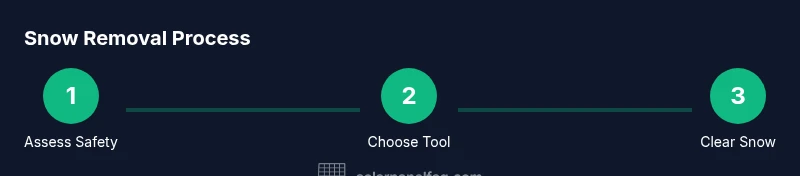
Survey the weather, wind, and ice conditions. Decide if you can proceed from the ground with a long tool or if professional help is safer. Prepare PPE and clear the immediate area to prevent bystanders from entering the work zone.
Tip: If you feel unstable or the roof is icy, choose safety over speed and call a pro. - 2
Select the right tool and stance
Choose a plastic snow brush or telescoping roof rake designed for solar panels. Stand with your feet shoulder-width apart and maintain three points of contact when using an extension tool from solid ground.
Tip: Never strike at ice with metal objects; this can scratch glass or damage coatings. - 3
Clear loose snow from edges first
From the ground, brush snow away from the edges of the panels, working toward the center in gentle strokes. Avoid heavy impact, and do not press directly on the glass. Stop if you encounter ice or resistance.
Tip: Use light, steady strokes and avoid lifting heavy snow onto the panels. - 4
Handle ice and stubborn frost
For ice layers, use a plastic scraper lightly and avoid prying. If the layer won’t budge, wait for warmer temperatures or seek professional assistance. Do not use heat sources directly on panels.
Tip: Do not apply heat to the glass if you’re unsure about panel warranties. - 5
Inspect for damage after removal
Check for cracks, loose mounting hardware, or exposed wiring. If you see any issues, stop and contact a licensed technician to evaluate safety and performance.
Tip: Document any damage with photos for warranty and service records. - 6
Monitor performance post-storm
Use your inverter or monitoring app to compare output to typical winter performance. If the drop persists after snow clearance, schedule a professional inspection.
Tip: Keep a storm log to refine your winter maintenance plan.
Frequently Asked Questions
Will snow damage solar panels?
Snow itself rarely damages panels, but ice, heavy weight, and improper removal can cause cracks or mounting issues. If you notice cracking or loose hardware, stop and call a professional.
Snow usually won’t damage panels, but ice or improper removal can. If you see cracking or loose parts, contact a professional.
Should I shovel snow from solar panels?
Only when it can be done safely from the ground with non-metal tools. Never climb on a snowy roof. If in doubt, hire a technician to clear the panels.
Only from the ground with the right tools. If unsure, hire a pro.
How long does snow take to melt on panels?
Melting time varies with sun, temperature, and wind. In clear, sunny days it can be minutes to a few hours; in persistent cold, it may take longer.
Melt time depends on sun and temperature; it can be minutes to hours.
Can I use heating elements or coatings?
Most installations do not require heating elements, and coatings can affect warranty. Always check with the installer before adding heating or anti-snow products.
Check with your installer before any heating or coating products.
What safety gear should I use?
Wear non-slip boots, gloves, and eye protection. Use a harness if roof access is necessary and follow ladder safety.
Non-slip boots, gloves, eye protection; use a harness if on the roof.
When should I call a professional?
Call a professional if you see damaged panels, exposed wiring, or if snow removal requires roof access. A licensed technician can assess structural integrity and perform safe cleaning.
Call a pro if you spot damage or if roof access is needed.
Watch Video
Top Takeaways
- Act safely first; snow removal should not risk injury.
- Use non-abrasive tools to protect panel surfaces.
- Clear snow strategically to maximize sun exposure.
- Wait for melt only when it’s safe and practical.
- Inspect for damage after storms and monitor performance.