How to Use Solar Panels Rust: Safe, Practical Guide
A practical, step-by-step guide on handling rust on solar panel mounts and frames, covering inspection, cleaning, treatment, replacement, and maintenance to protect performance and warranties.


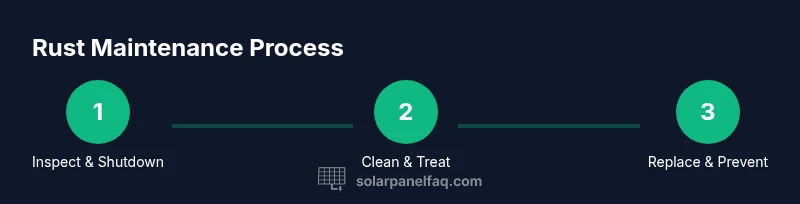
Learn how to use solar panels rust safely by inspecting mounting hardware, distinguishing superficial rust from structural corrosion, and performing cleaning, treatment, and selective part replacement. This guide outlines steps, tools, and maintenance to protect performance and warranty. You will also learn safety steps, such as system shutdown, and how to decide when to replace hardware.
Why rust happens on solar panels and mounting hardware
Solar panels themselves are designed to withstand outdoor conditions, but the supporting hardware—rails, brackets, and fasteners—often consists of steel or coated steel that sits exposed to rain, humidity, and salty air. Rust and corrosion usually begin on these metallic components long before the photovoltaic cells are affected. If you’re researching how to use solar panels rust, you’re looking at maintenance of racks and frames, not the cells themselves. Small amounts of oxidation on steel parts can progress if left unchecked, potentially affecting mounting integrity and tilt stability. Regular inspections help catch early signs like flaking coating, orange or brown staining, or subtle loosening of hardware. The goal is to keep the system securely mounted and aligned so that performance remains optimal and the warranty stays valid.
In addition to weather, this issue can be accelerated by salt spray in coastal regions, acid rain, and rapid temperature swings. Mixed-metal installations—where dissimilar metals touch—can also accelerate corrosion through galvanic effects. When rust appears on any mounting surface, take it seriously as a maintenance signal. This guide focuses on practical, safe actions you can take to manage rust and preserve system reliability.
How rust impacts performance, safety, and warranties
Rust on mounting hardware itself doesn’t reduce the photovoltaic efficiency directly, but it can cause misalignment, reduced mounting strength, or leaks where fasteners penetrate rails. If rust weakens the frame or brackets, vibration or wind loads may shift panels, lowering energy capture and increasing wear. More importantly, corrosion can void warranty coverage if the manufacturer identifies compromised hardware or improper maintenance as the cause. Regular maintenance reduces downtime, minimizes risk, and helps ensure that the system remains properly angled toward the sun for maximum energy yield. In severe cases, corrosion can lead to dangerous conditions such as panel detachment during storms, which also creates safety hazards for occupants and neighbors.
Understanding these risks helps you decide when DIY maintenance is appropriate and when professional intervention is required. The key is early detection and a proactive maintenance routine that emphasizes safety, reliability, and warranty protection.
Safety first: shutdown and personal protection
Before touching any mounting hardware or electrical components, shut down the system following the manufacturer’s instructions and disconnect at the main DC disconnect if accessible. Wear protective gloves, safety glasses, and non-slip footwear. Avoid working on a roof in windy or wet conditions. Never work under a panel that looks loose or unstable. If you’re uncertain about electrical safety, hire a licensed professional to perform the inspection and any repairs. This step is critical to prevent electric shock and to ensure that corrosion isn’t hiding a larger structural problem.
Document the shutdown and the condition of hardware before you begin work to support future service visits and warranty claims.
Inspecting rust: what to look for
Conduct a thorough visual inspection of all mounting rails, brackets, bolts, and clamps. Look for peeled coatings, surface rust that can be scrubbed away, and deeper pitting or flaking that suggests metal loss. Check for loosened fasteners, misalignment of panels, bent rails, or corrosion around bolt holes and seals. Water intrusion around penetrations can also accelerate rust in vulnerable spots. Photograph affected areas, note the location, severity, and any movement you observe. Classify each issue as superficial rust, surface corrosion, or structural compromise to guide your remediation plan.
If you find active rust that is actively progressing or includes holes or thinning metal, plan for replacement rather than mere cleaning. Treat each finding as a data point in your maintenance log so you can track progression over time.
Cleaning surface rust on aluminum frames and mounting rails
For superficial rust, start with a gentle approach: mix mild detergent with water and use a soft-bristle brush or non-metallic scrub pad. Avoid abrasive tools that can scratch the aluminum or coatings. Rinse with clean water and dry completely to prevent flash rusting. Do not use steel wool or metal brushes on aluminum, as these can leave micro-scratches that trap moisture. If corrosion is stubborn, consider a plastic scraper to lift flaky deposits, followed by another gentle cleaning. After cleaning, inspect for any coating damage that needs touch-up. Document before-and-after photos to track improvements and ensure you’re not masking deeper problems.
For steel components, use a corrosion-appropriate cleaner and check whether coatings or paints are still intact. If you see exposed steel or flaking coating on fasteners, plan to replace those parts with corrosion-resistant hardware.
Treating and sealing: rust converters, primers, and coatings
Minor surface rust can often be stabilized with a rust converter or corrosion-inhibiting primer. Follow the product instructions, applying in a well-ventilated area and letting each layer dry completely before proceeding. After treatment, apply a UV-resistant exterior coating suitable for outdoor metal to slow future corrosion. Always verify compatibility with the manufacturer’s guidelines and warranty requirements before applying chemicals near solar cells. In many cases, non-pigmented, clear coatings designed for outdoor metal protection can be sufficient, but color-matching the frame color may be preferred for aesthetics. Regular reapplication intervals will depend on climate and exposure. Safety remains paramount—avoid inhalation of fumes and ensure good ventilation during product use.
Replacing severely corroded components and protecting against future rust
If any mounting hardware shows deep rust, pitting, or structural wear, replace it with corrosion-resistant options such as stainless steel or hot-dip galvanized parts. When selecting replacements, ensure compatibility with existing mounting rails and the installation’s load ratings. Use locking nuts or thread sealants as recommended by the manufacturer. For long-term protection, consider upgrading to stainless steel fasteners and protective coatings that resist salt spray and humidity. After replacement, recheck torque specifications and verify that all connections remain properly aligned. Keep maintenance logs updated to document hardware changes for warranty and service records.
Preventive maintenance plan to minimize future rust
Create a routine that combines visual inspections, preventive cleaning, and timely hardware replacement. Schedule a full inspection at least twice a year, and perform lighter checks after major weather events. Maintain a written log with dates, findings, actions taken, and parts replaced. In coastal or high-humidity environments, increase the frequency of checks to quarterly. Use weather-resistant, corrosion-resistant hardware where possible and store spare parts on-site to reduce downtime. A routine that emphasizes prevention helps sustain energy production and protects the investment in your solar system.
When to call a pro and warranty considerations
If you observe structural instability, recurring rust despite DIY maintenance, or signs of water intrusion near electrical components, contact a licensed solar installer or electrician promptly. Have documentation ready showing prior maintenance and parts replaced; this supports warranty coverage discussions. Some manufacturers require specific replacement parts or approved coatings to maintain warranty validity; deviating from guidelines can void coverage. When in doubt, a professional assessment is the safest course, preserving safety and performance.
Tools & Materials
- Safety gear (gloves, eye protection, non-slip footwear)(PD-rated gloves; goggles)
- Non-metallic scrub brush(Soft-bristle, plastic/nylon)
- Soft cloths or towels(Lint-free preferred)
- Mild detergent and water(Dish soap or car wash soap)
- Plastic scraper(Use gently on rust deposits)
- Rust converter or corrosion-inhibiting primer(Consult manufacturer recommendations)
- UV-resistant exterior coating or paint for metal(Choose compatibility with frame material)
- Stainless steel or galvanized replacement hardware(For replacing corroded bolts/claims)
- Penetrating oil (e.g., WD-40)(Optional for stuck bolts)
- Water supply or hose with spray nozzle(Rinse thoroughly)
Steps
Estimated time: 2-4 hours
- 1
Shut down the system safely
Power down the entire solar system following the manufacturer’s instructions and disconnect the DC isolator if accessible. Verify the area is dry and safe to work on the mounting hardware. This minimizes the risk of electric shock and prevents accidental back-feed during maintenance.
Tip: If you’re unsure about electrical disconnects, hire a licensed professional. - 2
Document rust and assess severity
Do a visual survey of all rails, brackets, and fasteners. Note areas with surface rust versus deep pitting. Take clear photos and mark locations to guide repairs.
Tip: Use a simple color-coding scheme (green = surface; yellow = moderate; red = replace) for quick reference. - 3
Clean superficial rust safely
Wash surfaces with mild detergent and water, then gently scrub with a non-metallic brush. Rinse and dry thoroughly to prevent flash rust. Avoid metal brushes that can scratch aluminum.
Tip: Always dry completely to prevent moisture trapping under coatings. - 4
Treat or seal affected areas
If minor rust remains after cleaning, apply a rust converter or corrosion-inhibiting primer as directed, then let it dry fully before applying protective coating.
Tip: Follow product safety instructions and ventilate the workspace. - 5
Replace severely corroded hardware
Remove corroded bolts or brackets and replace with stainless steel or galvanized parts. Retorque to manufacturer-specified values and ensure proper alignment.
Tip: Always use anti-seize compounds if recommended by the manufacturer. - 6
Reassemble, test, and reconfirm
Reinstall components, tighten connections, and re-connect the system to verify proper operation. Look for any misalignment or gaps that could allow moisture intrusion.
Tip: Run a quick electrical check after re-commissioning to ensure safe operation. - 7
Apply protective coating and sealants
If permitted by the manufacturer, apply a UV-resistant exterior coating to metal parts to improve longevity and reduce future rust. Recheck seals around penetrations.
Tip: Choose products compatible with outdoor solar equipment. - 8
Document and schedule ongoing maintenance
Log what was done, part numbers, and next inspection date. Schedule routine checks every 6–12 months or after major weather events.
Tip: Keep spare parts on-site to minimize downtime. - 9
Know when to call a pro
If you encounter persistent rust, structural weakness, or electrical concerns, seek professional assessment. Warranty guidelines may require professional servicing.
Tip: Early professional input can prevent costly failures.
Frequently Asked Questions
Can rust on mounting hardware affect solar panel efficiency?
Rust on mounts can indirectly affect performance if it leads to misalignment or hardware failure, which reduces sun exposure or seals. Regular maintenance helps prevent this.
Rust on mounts can indirectly affect efficiency if it causes alignment issues; regular maintenance helps prevent it.
Is rust dangerous to touch on solar equipment?
Rust itself is not highly toxic, but sharp edges and unstable structures pose physical hazards. Always wear gloves and inspect stability before handling.
Rust isn’t toxic, but sharp edges and unstable hardware can injure you; wear protection and proceed carefully.
Should I replace rusted hardware or just treat it?
For superficial rust, cleaning and applying protective coatings may suffice. If there is deep pitting, loosening fasteners, or structural wear, replace components to maintain safety and warranty.
If rust is deep or hardware is loose, replace it; superficial rust can often be treated.
Will rust void my warranty?
Warranty terms vary by manufacturer. Many require using approved parts and performing maintenance per guidelines; failure to follow may affect coverage. Check your contract for specifics.
Warranties vary; follow the manufacturer’s maintenance guidelines to protect coverage.
How often should I inspect for rust?
Inspect at least twice a year and after major weather events, especially in coastal or humid environments where corrosion accelerates.
Inspect twice a year, and after big storms, especially near saltwater or humidity.
What is the best rust-prevention material for solar mounts?
Choose corrosion-resistant hardware (stainless steel or galvanized) and protective coatings approved for outdoor solar hardware. Avoid mixing metals not approved by the manufacturer.
Use stainless or galvanized parts with approved coatings to prevent rust.
Watch Video
Top Takeaways
- Identify and document rust early to prevent structural failure.
- Shut down the system before maintenance to stay safe.
- Replace corroded hardware with corrosion-resistant options.
- Follow manufacturer guidance to preserve warranty coverage.
- Establish a regular rust-prevention maintenance schedule.