How to Get Snow Off Solar Panels
Learn practical, safe ways to remove snow from solar panels, protect your roof, and maximize winter sun output with step-by-step guidance from Solar Panel FAQ.


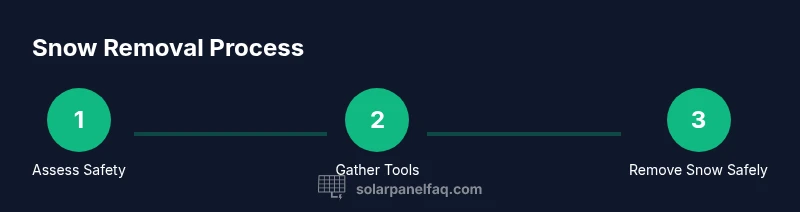
Removing snow from solar panels should be done safely and promptly to restore output. Start by assessing safety, then use a soft-bristle brush or plastic rake from the ground, pushing snow downward and away from edges. Avoid metal tools, hot water, or climbing on icy roofs; if in doubt, consult a professional. This 4-step approach helps protect panels and roof while improving winter performance.
Understanding snow on solar panels and why it matters
According to Solar Panel FAQ, snow on solar panels can block sunlight and reduce energy production. If you live in snowy climates, you might wonder how to get snow off solar panels safely and effectively. Snow accumulation acts as a barrier, preventing photons from reaching the photovoltaic cells and increasing the risk of ice formation or panel debris from gusts. The Solar Panel FAQ team found that small amounts of snow may slide away on tilted panels, but thick blankets often require manual removal or time for sunlight and warmth to melt it. In winter months, residential systems can experience noticeable output drops simply because snow covers a portion of the module field. The goal of this guide is to help homeowners understand when and how to remove snow without damaging the panels, the mounting hardware, or the roof itself. Before attempting any action, assess the risk of working on your roof or ladder and consider if the snow is loose enough to remove safely. For many homeowners, the simplest approach is to wait for a dry, sunny day with temperatures above freezing and the panels not coated in ice. In some cases, a shallow melt is sufficient; in others, a controlled, careful brush is required. We'll discuss safety, timing, tools, and best practices across common roof types and panel orientations.
Safety considerations before you start
Snow removal from solar panels is a task with risk. Working on a roof or ladder introduces fall hazards, and icy surfaces can cause serious injury. Always prioritize safety: wear a harness if you're on a pitched roof, use a sturdy ladder with a spotter, and have a helper above or below. Turn off the solar system from the disconnect switch if accessible to minimize electrical risk, and never lean across active panels. Check the weather and avoid handling wet gloves on metal rails. If you're unsure about roof access or structural integrity, hire a professional. In many cases, a simple ground-based approach with an extension pole is safer and effective. If you must step onto the roof, ensure fall protection, secure tools, and avoid removing ice with metal tools that could scratch glass or damage delicate framework. Safety is not optional—it's the top priority when clearing snow from solar panels.
When to remove snow vs wait for melt
Snow tends to melt more quickly on sunny days, but you should not rely on natural melting in freezing temperatures. If the snow is light and powdery, you can often remove it with a soft brush while keeping your work to the edge and sides rather than sweeping over the glass. If there is ice beneath the snow or if there is a layer of crust, wait for sunlight to soften it or call a professional. In many installations, you want to remove snow only when there is a risk of shadowing daily, especially if your system uses microinverters or optimizers; otherwise, waiting a few hours while the sun heats the panels can accelerate shedding. Do not strip a roof of its snow if it requires climbing; instead, prioritise ground-based methods or professional help. The key concept: avoid sudden shocks to the glass or frame, and balance risk against potential energy gains.
Methods to remove snow safely
Snow removal needs to be gentle and deliberate. Use a soft-bristle brush or a plastic snow rake with an extended handle to reach mounted panels from the ground. Start at the top edge of the panels and work downward, letting gravity help you avoid dislodging panels or gutters. Do not strike the surface with metal tools or use stiff scrapers that could scratch the glass. Never use hot water or steam, which can crack seals or stress the frame during cold conditions. If ice is present, sweep around the ice edge carefully and avoid banging; consider applying a de-icer sparingly on the top edge away from wiring if there is a risk of refreezing. For roofs, avoid stepping on weakened areas; use a roof-safe ladder and ensure you are anchored. The goal is to remove only loose snow and ice, not to gouge the surface.
Ground-based removal techniques and tools
When removing snow without climbing onto a roof, the most reliable method is using an extendable, soft-bristle brush to sweep from the ground. A plastic snow rake helps you reach panels mounted on a low-lying roof or ground-mounted array. Start at the top row and glide the brush downward in long, steady passes, letting gravity help shed additional snow. Keep the brush angled so you don’t press hard against the glass; the goal is to lift loose snow, not to scrape the surface. If you encounter crusty ice, stop and allow sun or a warmer day to soften it, or call a professional for safe removal. Hydration: a gentle rinse with a hose at low pressure can help remove residual snow if temperatures permit, but never spray water directly onto electrical components or wiring. After you finish, inspect for any loose debris or dislodged mounting hardware and keep pathways clear of snow piles to weatherproof the installation.
Roof-based considerations and safety protocols
Roof access for snow removal introduces additional risks. Use proper fall protection, stable ladders with slip-resistant feet, and anchor lines where available. Do not stand on weak roof sections or on slick ice; if you’re not trained in roof work, hire a professional. When working from a ladder, keep three points of contact and never lean out beyond the ladder’s side rails. If you must clear near electrical components, ensure the system is de-energized and avoid touching wiring. In many homes, a ground-based approach with a long-handled tool is safer and effective for roof-adjacent panels, especially on steep pitches or when weather conditions are uncertain.
Impact on energy output and measurements
Snow coverage reduces solar output until panels are cleared, which is why homeowners want an efficient removal strategy. Keeping panels free of snow helps reclaim daylight-to-electricity conversion quickly and can prevent prolonged underperformance during a winter storm. After removal, monitor your system’s energy production to verify that output returns toward expected levels. If you notice persistent low production beyond a few days after clearing, there may be shading from new snow piles, debris, or framing issues that require inspection. Solar Panel FAQ emphasizes balancing safety with the goal of minimizing downtime during winter months.
Maintenance tips to prevent snow buildup
Proactive maintenance can reduce the risk of heavy snow accumulation. For roof-mounted systems, consider installing snow guards or adjusting tilt if practical to encourage shedding. Keep nearby roof edges free of debris that could blow onto panels and create pockets of snow. Regular inspections after storms can catch loose mounting hardware or seal gaps that might trap moisture. In climates with frequent snowfall, scheduling periodic professional cleanings or inspections during milder months can help ensure the system remains in optimal condition and is ready for winter snow events.
Common mistakes to avoid
Common errors include using metal tools on solar glass, applying hot water to melt ice, or attempting roof work without proper safety gear. Pressing too hard with brushes can scratch the panel surface, and using de-icers near wiring can cause corrosion. Another pitfall is assuming panels shed snow automatically; tilt and sun exposure matter, so don’t rely solely on natural shedding. Finally, never ignore a significant ice buildup around edge seals or wiring—these require professional assessment to prevent damage and ensure ongoing safety.
Tools & Materials
- Soft-bristle snow brush with extendable pole(Choose synthetic bristles; avoid metal bristles that can scratch glass.)
- Plastic snow rake(Non-abrasive edge; reaches panels from ground without climbing.)
- Stable ladder and fall protection gear(Use ladder stabilizers; have a spotter when roofs are involved.)
- Fall protection gear(Harness and anchor points for roof work.)
- Non-slip footwear and insulated gloves(Keep grip and warmth for safer handling.)
- Garden hose with gentle spray nozzle(Optional for light residue on warm days; do not use on icy panels.)
- Roof-safe de-icer or edge-safe solvent(Only if recommended by a professional and used away from wiring.)
Steps
Estimated time: 30-60 minutes
- 1
Assess safety and weather
Check roof condition, wind, and ice before touching snow. If conditions are risky, stop and seek professional help. Decide whether a ground-based method is feasible or if roof access is necessary.
Tip: If you’re unsure about the roof, start with a ground-based approach using a long-handled tool. - 2
Gather the right tools
Collect a soft-bristle brush, extendable pole, ladder, and safety gear. Verify the system is safe to approach and have a helper ready in case you need assistance.
Tip: Test your brush on a small area to ensure it won’t scratch. - 3
Clear loose snow from ground or accessible height
From ground level, sweep top-to-bottom with steady strokes. Let gravity assist and avoid pressing hard on the glass. Work in sections and stop if you encounter ice that won’t yield.
Tip: Take your time; rushing can cause slips or mistakes. - 4
Handle ice and crust cautiously
If ice blocks removal, pause removal in that area and wait for sunlight or a warmer day. Do not strike ice with metal tools; use gentle pressure and allow heat to help loosen it.
Tip: Avoid spraying hot water; it can crack the glass in cold conditions. - 5
Inspect after removal
Look for any damage to glass, seals, or wiring. Confirm mounting hardware is intact and free of loose debris. Take photos for your records.
Tip: If you notice damage, stop and contact a technician. - 6
Decide whether to call a professional
If the panels are on a steep roof or you feel unsafe, hire a professional. Snow removal on roofs carries higher risk and requires proper fall protection.
Tip: Prioritize safety; professionals can prevent costly damage.
Frequently Asked Questions
Is it safe to remove snow from solar panels by myself?
Yes, you can remove snow yourself with proper safety measures and ground-based tools. Avoid roof work if you’re not trained or equipped for safe access. If in doubt, consult a professional.
Yes, you can safely remove snow yourself if you stay on the ground and follow safety rules. If you’re unsure, call a professional.
Should I use hot water to melt snow off solar panels?
No. Hot water or steam can crack or damage seals in cold conditions. Use gentle brushing or wait for sun to soften and melt snow.
No. Hot water can crack the panels; stick to brushing and waiting for sunlight.
Can snow on panels damage the system?
Snow reduces energy output until cleared and can contribute to ice buildup if not handled carefully. Clearing snow promptly helps restore performance and avoids longer downtime.
Snow lowers output until removed; clearing helps regain power faster.
Do panels shed snow automatically?
Some snow will shed due to tilt and wind, but heavy blankets may require manual removal. Don’t rely on natural shedding during prolonged snowfall.
They shed some by themselves, but heavy snow needs care.
When should I call a professional?
If you must work on a pitched roof, face ice hazards, or see damage to wiring or seals, call a professional to avoid safety risks and equipment damage.
Call a pro when the roof is involved or damage is suspected.
Is it okay to use de-icing chemicals near solar panels?
Avoid de-icers near panels; chemicals can corrode wiring and seals. Use safe cleaning methods and consult an electrician if needed.
Avoid chemicals near wiring; use safe cleaning instead.
Watch Video
Top Takeaways
- Prioritize safety and use ground-based tools when possible.
- Avoid metal tools, hot water, and de-icers near panels.
- Time snow removal for sunny, above-freezing conditions.
- Choose gentle brushing over aggressive scrubbing to protect glass.
- Inspect for damage and seek professional help when unsure.