How to Clean Solar Panels Near Me: A Practical Guide
Learn how to clean solar panels near you safely, protect warranties, and boost efficiency with a practical step-by-step approach. DIY tips or local services included.


According to Solar Panel FAQ, you can safely clean solar panels near you by checking safety, choosing gentle cleaning methods, and following a simple routine. This guide covers when to clean, what supplies to use, ideal weather, and steps you can perform at home without risking coatings or warranties. The approach works for rooftop and ground installations alike.
Why cleaning matters for solar panels\n\nDirt, dust, pollen, and bird droppings settle on solar panels over time. The shading caused by grime reduces the amount of light reaching the photovoltaic cells, decreasing electricity generation. In dusty climates or areas with heavy pollen seasons, panels can noticeably lose efficiency after several weeks of neglect. Cleaning can restore most of the lost output, especially if a thin layer of grime has built up. However, it is important to clean with care to avoid scratching the glass or loosening seals. If you live near industrial zones or have trees with sap, the accumulation can be more stubborn. While cleaning does not eliminate dust completely, regular, light cleaning is typically enough to maintain performance. This section sets the stage for safe, effective cleaning near me, regardless of roof type.\n\nNote: The Solar Panel FAQ team emphasizes safety and a careful approach to protect warranties and the investment in your system.
When to clean and how often\n\nCleaning frequency depends on climate, weather, and nearby sources of grime. In dry, dusty regions, cleaning every 6 to 12 months may be enough, while in pollen-heavy springs or coastal salt spray areas you might benefit from more frequent attention. If you observe visible dirt, streaks, or a drop in performance, it is a good time to clean, even if you had cleaned recently. Always check your inverter data to see if production improves after cleaning. For communities relying on a finite window for access to your roof, plan during a cool, overcast day and avoid cleaning in direct sun. After a heavy rain, you can inspect panels for leftover residue and decide whether a light cleaning is necessary. If you are considering hiring a local service near you, use the same timing logic to coordinate with your maintenance schedule.
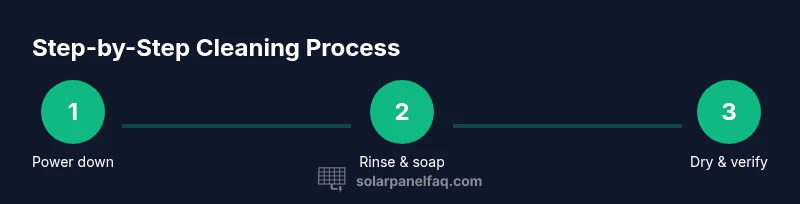
Safe and effective cleaning methods\n\nUse only gentle cleaning methods that protect the panel surface and mounts. A soft brush or microfiber cloth with a mild soap solution works best. Start with a light rinse with demineralized or distilled water to remove loose dirt. Apply the soap solution with a non-abrasive sponge and rinse with a gentle stream of water; avoid high-pressure hoses or power washers that can crack glass or loosen coatings. For stubborn grime, repeat the rinse and wash with minimal scrubbing. Dry with a microfiber towel to reduce streaks. Do not climb on panels; use a ladder safely or hire a pro if the roof is steep. If you suspect damage, pause and call a certified technician.
Finding a local cleaner near you\n\nFinding a local cleaner near you requires checking credentials, safety practices, and insurance. Look for providers who are trained in PV system safety and who carry liability coverage. Ask about their cleaning method, whether they use non-abrasive products, and if they offer a warranty on their work. Read reviews from other homeowners and verify references. If you intend to perform DIY cleaning, confirm your system type and warranty conditions, and ensure you follow the manufacturer guidelines. Solar Panel FAQ analysis shows that homeowners who coordinate inspections with local services tend to maintain better long-term performance.
Protecting warranties and rooftop safety considerations\n\nBefore cleaning, review your solar manufacturer’s warranty to understand what is allowed. Many warranties require that cleaning uses non-abrasive cleaners and dry conditions. Avoid cleaning during rain or icy conditions; ensure you can access panels safely. For rooftop installations, use fall protection and a partner if necessary. Do not move or tamper with electrical equipment beyond what is required for cleaning. Document your process and keep receipts if you hire a professional.
Seasonal maintenance plan and long-term maintenance\n\nCreate a seasonal plan to keep panels performing well. In spring, inspect after pollen and bird activity; summer, check for heat damage and shading; fall, inspect leaf debris; winter, remove snow when safe. Maintain a simple cleaning cadence that aligns with local weather patterns, and note any recurring issues like persistent grime near vents or gutters. A predictable schedule helps protect efficiency and prolongs panel life.
Tools & Materials
- Soft-bristled brush(Nylon or natural bristles; avoid metal edges)
- Microfiber cloth(Lint-free for drying and buffing)
- Bucket(For soap solution or water)
- Mild dish soap(Gentle, non-abrasive formula)
- Distilled water(Low mineral content to reduce streaks)
- Garden hose with gentle nozzle(Low pressure to avoid damage)
- Telescopic pole(Optional for hard-to-reach panels)
- Safety gear (gloves, non-slip shoes)(Personal protective equipment)
- Ladder or roof access gear(Only if you are trained and safe)
Steps
Estimated time: 45-75 minutes
- 1
Power down the system safely
Turn off the solar array at the inverter and the main disconnect before touching panels. This reduces shock risk and prevents micro-sparks while cleaning.
Tip: Double-check that the system is off and wait a few minutes for any residual voltage to dissipate - 2
Choose a weather window
Plan cleaning for a cool, overcast day or after a light drizzle when panels are dry enough to handle but not hot. Cleaning in direct sun can cause rapid drying and streaks.
Tip: Avoid windy days to reduce the risk of falling or blowing debris - 3
Gather your tools and materials
Lay out brushes, towels, soap, water, and the hose within easy reach. Ensure all safety gear is on before you begin.
Tip: Check your working area for loose debris that could fall during cleaning - 4
Rinse the surface to loosen dirt
Lightly rinse panels with a gentle spray to remove loose dust. Do not use high-pressure streams that can damage coatings or seals.
Tip: Keep the nozzle at a safe distance and move across panels slowly - 5
Apply mild cleaning solution
Mix or apply a mild soap solution with a soft sponge or brush. Work in small sections, starting from the bottom and moving upward.
Tip: Do not mix chemicals—use only non-abrasive cleaners compatible with PV panels - 6
Gently scrub and rinse again
Gently scrub in circular motions to lift grime without scratching the glass. Rinse thoroughly with a low-pressure stream.
Tip: Stop if you notice salt or mineral streaking that you cannot rinse away - 7
Dry and inspect for streaks
Pat panels dry with a microfiber cloth and inspect for streaks or residue. A quick visual check helps catch spots before they set.
Tip: Drying with a microfiber cloth reduces water spots - 8
Re-energize and monitor
Turn the system back on and monitor inverter readings to ensure clean outputs. Note the date of cleaning for your maintenance log.
Tip: Keep a simple log of the date and any observations
Frequently Asked Questions
Is it safe to clean solar panels yourself?
Yes, you can clean panels yourself with proper safety steps, system shutdown, and gentle cleaning methods. Avoid climbing on roofs without training and never scrub hard. If in doubt, hire a professional.
Yes, with safety steps, shut off the system, and use gentle cleaning methods. Do not attempt risky roof work on your own.
What tools do I need to clean solar panels?
A soft brush, microfiber cloth, bucket with mild soap, distilled water, and a garden hose with a gentle spray are typically sufficient. Optional telescopic pole can help reach high panels.
Soft brush, microfiber cloth, mild soap, water, and a gentle hose are usually enough.
Can cleaning void my warranty?
Cleaning is usually allowed if you use non-abrasive cleaners and avoid damaging the surface. Consult your manufacturer warranty to confirm guidelines before cleaning.
Only if you damage panels or use aggressive cleaners. Check your warranty guidelines first.
When is the best time to clean solar panels near me?
Choose cool, dry days, preferably morning or late afternoon. Avoid cleaning in direct sun and during rain or freezing conditions to prevent damage and streaking.
Clean on a cool, dry day when panels are not in direct sun.
Should I hire a professional for cleaning?
For steep roofs, large arrays, or if you are unsure about safety, hiring a professional provides safety and warranty protection. Ensure they carry liability insurance.
If your roof is hard to access or you are not comfortable, hire a pro.
What if panels are dirty due to snow or ice?
Do not scrub cold panels. Allow snow to melt naturally or remove safely with proper gear. Avoid ice handling to prevent slips or damage.
Let snow melt or remove safely; avoid risky ice scrubbing.
Watch Video
Top Takeaways
- Plan around dry, cool weather and avoid direct sun.
- Use gentle tools and non-abrasive cleaners.
- Never use high pressure water on solar panels.
- Consider professional help for steep or complex roofs.
- Maintain a cleaning log to protect efficiency and warranty.