Solar Panel Cleaning Before and After: A Homeowner's Guide
A comprehensive, step-by-step guide on solar panel cleaning before and after, with safety tips, methods, and maintenance to maximize efficiency for homeowners and prospective solar buyers.


You will learn how to safely clean solar panels, when to clean, and how to verify performance afterward. This guide covers safety precautions, dry and wet cleaning methods, recommended tools, cleaning frequency by climate, and maintenance routines to keep panels operating at peak efficiency. Follow the steps carefully to protect wiring and roof integrity.
Why solar panel cleaning before and after matters
Regular cleaning helps maintain the output you expect from your solar investment. Dirty panels can lose efficiency when dust, pollen, bird droppings, or salt spray accumulate, especially in dry or coastal climates. The Solar Panel FAQ team notes that keeping panels clean can help sustain performance and reduce long-term wear caused by overheating and icing surfaces. This article uses the phrase solar panel cleaning before and after to highlight that both the pre-clean assessment and the post-clean verification are essential for getting the most from your system. You’ll learn about safe techniques, weather timing, and how to assess improvements in energy production after cleaning, along with practical tips homeowners can apply without specialized equipment.
Safety first: hazards and precautions
Solar panels sit on rooftops or elevated structures. Cleaning them involves working at height, handling water and chemicals, and potentially exposing electrical components. Always disable the system at the main service disconnect before starting. Use a stable ladder or access platform, wear non-slip footwear, and keep electrical gloves within reach. Never climb onto a wet roof during rain, snow, or high winds. If you have a steep or fragile roof, consider professional help. The goal is to protect yourself, the roof, and the wiring while achieving effective cleaning. Safety is an integral part of solar panel cleaning before and after, and small precautions can prevent costly damage.
Timing and weather: when to clean
Choose dry, mild days for cleaning to minimize rapid drying and streaking. Avoid cleaning during midday sun, which can cause rapid water evaporation and uneven cleaning. For best results, clean in the early morning or late afternoon when panels are cooler. After rainfall, allow surfaces to dry partially before cleaning to reduce streaks, but don’t delay too long if grime has built up. If you’re in a windy area, wash on the leeward side to limit dust swirl. Proper timing helps maximize the effectiveness of solar panel cleaning before and after, ensuring you notice measurable improvements in performance.
Cleaning methods: dry cleaning vs wet cleaning
Dry cleaning uses soft brushes or microfiber dusters to remove loose dust and cobwebs without water. Wet cleaning uses a bucket of water with mild, non-abrasive soap and a soft sponge or microfiber mitt. For most residential systems, a light wash with plain water or a few drops of mild soap is sufficient. Avoid high-pressure spray, since it can force water into seals and conduits. In some cases, especially with salt spray or heavy grime, a gentle soapy wash followed by a thorough rinse offers the best balance of safety and cleanliness. This section outlines practical differences in approach for solar panel cleaning before and after.
Cleaning agents and water quality
Prefer clean, neutral pH soap and soft brushes rather than harsh detergents. Hard water can leave mineral deposits after drying, reducing visibility and potentially affecting efficiency. If you must use soap, opt for a minimal amount and rinse thoroughly with clean water. For coastal regions or areas with mineral-rich water, consider using filtered or distilled water for the final rinse. Always test a small area first to ensure the soap doesn’t leave residues. The aim is to avoid introducing new grime or scratches while achieving a clearer surface for light transmission.
Tools, equipment, and setup
Gather a soft-bristle brush, a microfiber cloth or mitt, a non-abrasive sponge, a long-handled squeegee, a bucket, mild soap, and a hose or access water source. You may also want a pair of non-slip gloves and a stabilizing rope or harness if you’re working on a sloped roof. Keep a towel handy to dry edges and corners. Lids and hoses should be secured to prevent slipping or accidental disconnections. The right tools help you execute solar panel cleaning before and after with minimal risk to the system and roof.
Step-by-step cleaning plan overview
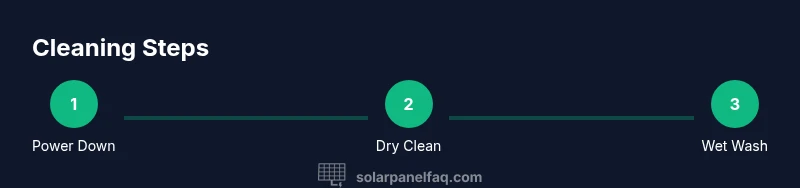
A practical approach is to plan a clear, repeatable sequence: (1) power down the system, (2) inspect for loose connections or damage, (3) dry-clean loose grime, (4) wash with mild soap and water, (5) rinse thoroughly, (6) dry with microfiber and inspect results, and (7) log the maintenance. While the STEP-BY-STEP block provides detailed actions, this overview reinforces the logical flow and helps homeowners stay organized. Consistency matters for long-term efficiency and the clarity of solar panel cleaning before and after.
Cleaning after rainfall or snow: maintenance tips
Post-rain washing can leave debris and mineral residues, so a light rinse with clean water can lift remaining grime. If snow accumulates, remove it carefully with a plastic scraper from the panel surface in a gentle, outward motion to avoid micro-scratches. In humid or foggy climates, inspect for algae or mold growth near mounting brackets and seals, and address them promptly. Regular checks after weather events are part of a good cleaning routine and support the goal of keeping solar panel cleaning before and after as an ongoing practice.
Common mistakes and how to avoid them
Avoid cleaning on a hot roof or during direct sun, which can cause rapid drying and streaks. Don’t use abrasive pads, scrub brushes, or strong solvents that could scratch surfaces or degrade seals. Never spray water directly into electrical components or the junction box. Avoid using a power washer; it can breach waterproof seals and force water into the system. By steering clear of these missteps, you protect warranty coverage and extend the life of your panels while achieving better performance as part of solar panel cleaning before and after.
Post-clean performance check and verification
After cleaning, compare the system’s output to typical baseline performance under similar weather. Look for smoother, clearer panel surfaces and improved light transmission. If possible, review production data or use a simple handheld meter to estimate current flow and voltage under standard conditions. Document the results and adjust future cleaning frequency based on observed performance. Solar Panel FAQ emphasizes consistent follow-up checks as part of a reliable cleaning routine and the overall health of your solar investment.
Tools & Materials
- Soft-bristle brush(Prefer a long-handled, non-scratch brush for roof access)
- Microfiber cloths or mitts(Use multiple clean cloths for different sides)
- Non-abrasive sponge(Avoid rough textures that can scratch glass)
- Bucket(For soapy water; not too large to maneuver on a roof)
- Mild soap (non-abrasive)(Dish soap in minimal amount is usually sufficient)
- Soft squeegee(For gentle drying and edge drainage)
- Garden hose or water source(Prefer low-pressure flow; avoid high pressure)
- Non-slip footwear and gloves(Safety basics for roof work)
- Ladder or roof access platform(Stable base is essential)
- Water filter or distilled water (optional)(Used to minimize mineral deposits in hard water areas)
Steps
Estimated time: 40-70 minutes
- 1
Power down the system
Turn off the solar array at the main service disconnect to ensure all panels are inactive during cleaning. This reduces the risk of electrical shock and prevents stray current from affecting cleaning behavior. Confirm the system remains off before proceeding.
Tip: If you’re unsure where the disconnect is, consult your installer’s documentation or the main electrical panel. - 2
Inspect for damage and debris
Climb carefully and visually inspect mounting brackets, seals, and wiring for wear, cracks, or looseness. Remove loose debris such as leaves or twigs with a dry brush to avoid pushing grime into crevices. Note any areas needing professional attention.
Tip: Take photos of any damage to share with a technician if needed. - 3
Dry-clean loose grime
Begin with a dry microfiber cloth or soft brush to lift dust, pollen, and cobwebs. Work in sections from top to bottom to prevent streaks. This minimizes water usage and reduces risk of mineral residue.
Tip: Keep the roof area dry and avoid scrubbing hard on the glass surface. - 4
Wet-clean with mild soap
Mix a small amount of mild soap in a bucket of water. Dampen your cloth or sponge and gently wash panel surfaces in circular motions. Rinse the cloth frequently to avoid redepositing grime.
Tip: Avoid scrubbing with abrasive pads; they can scratch the glass. - 5
Rinse and dry
Rinse panels with low-pressure water until all soap residue is removed. Use a microfiber squeegee to dry edges and prevent water spots. Leave the surface visually clear and dry before stepping away from the roof.
Tip: Patience matters; rushing can leave streaks. - 6
Post-clean inspection
Check for remaining smudges, residue, or streaks. Confirm there are no loose panels or exposed wiring. Record the cleaning date and any notes on panel condition for future reference.
Tip: A quick mirror wipe can help detect stubborn spots you missed.
Frequently Asked Questions
Do I need to wash solar panels, or is rain enough?
Rain can help keep panels cleaner, but regular manual cleaning is often needed to remove stubborn grime that rain won’t remove. Regular checks help you decide when cleaning is essential.
Rain helps a bit, but you’ll usually want to clean panels manually to keep them performing well.
Can I use a power washer to clean solar panels?
No. A power washer can damage seals and wiring. Use a low-pressure water stream or a gentle rinse with mild soap and a soft brush.
Avoid power washers; use a soft brush and gentle water flow instead.
What soap should I use on solar panels?
Use a small amount of mild dish soap or a dedicated squeegee-safe cleaner with water. Avoid harsh solvents that could degrade coatings or seals.
Stick with mild soap and plenty of water for safety and effectiveness.
How often should I clean solar panels?
Frequency depends on local climate and pollution, but a routine check every 6–12 months is common. Clean when visibility is reduced or efficiency drops.
Check space and climate, then clean as needed to maintain performance.
Is leaf removal necessary before washing?
Yes, remove loose leaves and debris first to avoid embedding grime during washing. It helps clean panels more effectively.
Remove debris first, then wash for best results.
Watch Video
Top Takeaways
- Plan cleaning on mild days to avoid streaks.
- Use non-abrasive tools and mild soap only.
- Rinse thoroughly to prevent mineral residues.
- Document results and schedule regular maintenance.