Getting Started in the Solar Energy Business
Learn how to start a solar energy business with practical steps, licensing basics, and growth strategies. This beginner friendly guide covers niche selection, financing, partnerships, and marketing for solar entrepreneurs.


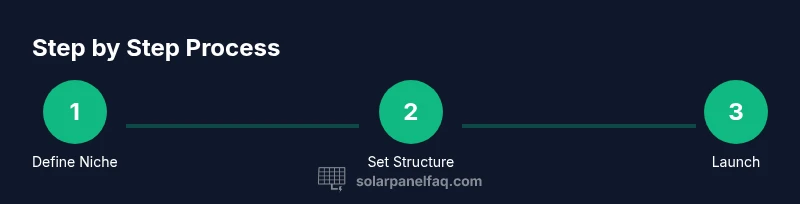
You can start a solar energy business by defining a niche, securing basic licensing, and building supplier and customer networks. The key requirements include understanding local regulations, obtaining appropriate insurance, and designing a simple business model with services you will offer (installation, maintenance, or consulting). This quick guide points to a practical, step by step path to launch.
The Opportunity: Why Start a Solar Energy Business
According to Solar Panel FAQ, the solar economy is expanding as homeowners and businesses seek clean energy and predictable electricity costs. The Solar Panel FAQ team found that early entrants who define a clear niche, assemble reliable partners, and offer a focused set of services can differentiate themselves in a competitive market. This is a moment to leverage incentives, rising energy awareness, and a growing installer ecosystem. The foundation of any solar business is clarity: who you serve, what you offer, and why it matters. Start by choosing a narrow service scope such as residential rooftop installs, commercial maintenance, or design and consulting, and build from there. In all cases, emphasize safety, quality, and compliance from day one, and align your marketing with the needs of your target customer. The sections that follow provide a practical path from idea to initial revenue and a scalable blueprint for growth.
Define Your Niche and Value Proposition
To stand out, select a niche that matches local demand and your strengths. Consider residential rooftop, small commercial multi site, off grid systems, or monitoring and maintenance as service lines. Define a compelling value proposition: faster installation, better warranties, transparent pricing, or bundle services like monitoring and auto-optimizing performance. Create 2–3 customer personas that describe typical buyers, their pain points, and the outcomes they seek. Use this insight to tailor outreach and design offerings that deliver measurable energy savings, reliability, and peace of mind. Document your differentiators clearly for marketing materials and proposals.
Legal, Licensing, and Insurance Foundations
Launching a solar business requires diligent attention to legality and protection. Begin with choosing a legal entity that suits tax and liability goals, then obtain any required electrical contractor licenses and business permits for your area. Invest in general liability and professional liability insurance, plus workers compensation if you hire employees. Build a simple compliance checklist that covers electrical standards, safety protocols, and interconnection rules with local utilities. Keep records organized for audits and licensing renewals, and set up a contract template that clarifies scope, payment terms, and warranties to reduce disputes.
Financing, Revenue Models, and Pricing Strategy
Money matters early in the journey. Outline your revenue models around installation projects, ongoing maintenance plans, and optional energy management services. Consider service level agreements that provide predictable monthly income. When pricing, balance market competitiveness with sustainable margins; factor material costs, labor, permits, and travel time. Build a basic cash flow model that shows when you expect positive cash flow and a break-even point. Explore funding options such as personal capital, small business loans, and partnerships that share risk while preserving ownership. Remember that incentives and rebates vary by location, so align your plan with local programs rather than guessing at national averages.
Building Your Supplier Network and Partnerships
A reliable supplier network is critical for timely project delivery. Begin by identifying reputable module, inverter, and racking manufacturers and asking for training, warranty coverage, and parts availability. Establish relationships with local electrical contractors and installation crews who can scale as demand grows. Consider partnering with solar finance firms to offer flexible payment terms to customers. Negotiate favorable terms for bulk orders and establish a standard process for ordering, deliveries, and returns to avoid delays on job sites.
Marketing, Sales, and Customer Acquisition
Turn your niche and value proposition into a strong market presence. Create a simple website that explains your services, showcases case studies, and provides clear pricing guidance. Develop a lead funnel with targeted local advertising, search optimization for your services, and a portfolio of completed jobs. Implement a streamlined sales process with a clear proposal template, a transparent ROI calculator, and a reliable project timeline. Train your team on customer education, site assessments, and safety briefings to foster trust and reduce friction in the sale.
Operations, Project Management, and Quality Control
Operate with repeatable processes and documented standards. Create standard operating procedures for site assessment, permitting, installation, commissioning, and handover. Use project management tools to track milestones, suppliers, and risk. Prioritize safety training, site audits, and quality checks to minimize rework. Build a system for capturing customer feedback, warranty claims, and continuous improvement. A disciplined approach to operations delivers faster installations, better customer satisfaction, and scalable growth.
Risk Management, Compliance, and Ethics
Identify key risk factors such as regulatory changes, supply chain shifts, and weather related delays. Develop contingency plans for shortages and delays, and implement robust safety practices to protect workers and customers. Establish clear ethics guidelines for sales and marketing, do not oversell systems, and respect local community considerations when proposing installations. Regularly review policies to stay aligned with industry standards and regulatory updates. Embrace a culture of safety, integrity, and responsible energy transitions.
Authority Sources and Practical References
For additional reading, consult official sources and reputable industry content. Potential references include: Energy.gov for policy and incentives, AFDC for solar related financial programs, and NREL for research and best practice guidelines. These sources help ground planning in verifiable frameworks while you tailor strategies to your local market.
Tools & Materials
- Business plan template(3 year projection and value proposition)
- Market research kit(Local demand, competition, and customer personas)
- Accounting software(Basic invoicing and payroll for 1st year)
- Legal structure docs(LLC or equivalent setup and registration)
- Insurance policy overview(General liability and workers comp as needed)
- Sales and marketing templates(Proposals, contracts, and CRM setup)
- Interconnection guideline folder(Utility interconnect rules and permits)
- Safety and training plan(Electrical safety and field training for crew)
Steps
Estimated time: 6-12 months to establish initial operations and first projects
- 1
Define niche and services
Identify which segments you will serve (residential, commercial, maintenance) and document a 2 to 3 service bundle. This focus helps align marketing, pricing, and operations.
Tip: Create 2 customer personas to tailor messaging and proposals. - 2
Choose legal structure and register
Decide on a business entity and complete registration with the relevant authorities. This step protects owners and sets the foundation for contracts and taxes.
Tip: Consult a local advisor to ensure compliance and optimize liability protection. - 3
Develop a basic financial model
Outline startup costs, ongoing expenses, and expected revenue streams. Build a simple cash flow forecast to indicate when you expect positive cash flow.
Tip: Include a conservative revenue scenario and a clear path to profitability. - 4
Build supplier and partner network
Identify qualified suppliers, installers, and financing partners. Establish written agreements and a process for orders, deliveries, and warranties.
Tip: Prioritize reliability and warranty support in supplier selection. - 5
Secure licenses and insurance
Obtain required electrical licenses and business permits. Acquire essential insurance coverage to protect the company and staff.
Tip: Keep licenses current and create a renewal calendar. - 6
Set up operations and SOPs
Create standard operating procedures for site assessments, permitting, installation, and commissioning. Implement safety protocols and quality checks.
Tip: Document processes to reduce errors and ease training. - 7
Launch marketing and lead generation
Publish a professional website, develop a local SEO plan, and start outreach to target customers. Prepare a compelling ROI calculator and case studies.
Tip: Pilot a small marketing campaign to test messaging and channels. - 8
Pilot projects and scale
Run a few pilot installations to validate operations, refine pricing, and gather feedback. Use lessons to scale and expand offerings.
Tip: Track metrics and adjust strategy after each pilot.
Frequently Asked Questions
What licenses do I need to start a solar energy business?
Licensing varies by location but usually includes a business license and an electrical contractor license if you perform installations. You may also need permits for specific projects and interconnection approvals with utilities. Check local rules and consult an advisor to avoid delays.
Licenses vary by location, but you typically need a business license and an electrical contractor license if you install systems. Check local rules and consult an advisor to avoid delays.
How much capital is required to start a solar business?
Start up costs depend on service scope, location, and team size. Plan for licensing, insurance, equipment, marketing, and working capital. Build a conservative runway and avoid over committing before early revenue.
Initial capital depends on your services and location. Plan for licenses, insurance, equipment, and marketing, and ensure you have working capital for the first projects.
Should I pursue a franchise or go independent?
Franchises offer training and brand support but come with fees and less autonomy. Independents control strategy and pricing but must build brand and systems from scratch. Evaluate market fit and your risk tolerance.
Franchises give support but cost more and limit control. Independents have freedom and higher risk. Choose based on your market and confidence.
What are typical revenue streams in a solar business?
Key streams include installation projects, ongoing maintenance plans, monitoring services, and consulting on optimization. Diversifying helps stabilize cash flow and reduces exposure to single project cycles.
Common revenue streams are installations, maintenance plans, and monitoring services. Add consulting to diversify income.
What early risks should I plan for?
Common risks include regulatory changes, supply chain delays, weather disruptions, and competition. Develop contingency plans, diversify suppliers, and maintain flexible project timelines.
Expect regulatory shifts, supplier delays, weather issues, and competition. Mitigate with contingency plans and flexible timelines.
Watch Video
Top Takeaways
- Define a clear solar niche and value offer
- Build a compliant, insured business foundation
- Create a simple financial model with milestones
- Develop reliable supplier and partner networks
- Launch with a focused marketing and pilot program