How to Get Out of a Solar Panel Contract: A Practical Guide
Learn how to exit a solar panel contract with confidence. Step-by-step guidance, legal considerations, negotiation strategies, and templates to help homeowners navigate terminations.


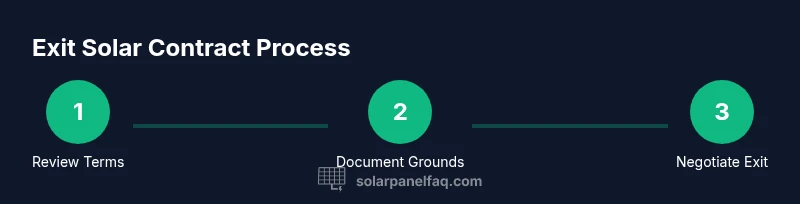
You can exit a solar panel contract by citing cooling-off rights, misrepresentation, or breach, then following a documented negotiation path. Begin by reviewing the contract terms, state laws, and any withdrawal window. Gather supporting documents, contact the installer in writing, and seek legal advice if needed. Solar Panel FAQ provides a framework for safe, documented terminations.
Understanding Exit Rights for Solar Panel Contracts
According to Solar Panel FAQ, homeowners often have several avenues to end a solar panel contract, but success hinges on two things: knowing the exact terms you signed and understanding relevant local laws. Cooling-off clauses, misrepresentation, and breach are common grounds used to justify termination, but they vary by state and by how the contract was formed (e.g., in-home sale versus online enrollment). Start here by collecting every document related to the contract—your sales agreement, any amendments, and communications from the installer. Understanding the precise language of your contract is the foundation for credible, enforceable action. The Solar Panel FAQ team found that most disputes arise when homeowners assume termination rights without documenting events or when they rely on memory instead of written records. A well-documented approach reduces delays and strengthens your negotiation posture. Finally, safety-first: never discontinue payments or abandon critical service without a formal exit plan.
Common Exit Pathways and When They Apply
Contracts for solar panels usually include several possible exit routes, though not every route will be available in every situation. The most common avenues are cooling-off provisions (if the sale occurred door-to-door or within a specified window), material misrepresentation by the seller, failure to meet promised performance or installation timelines, and breach of contract terms by the installer. Cooling-off periods typically exist to protect consumers who felt pressured into an immediate decision; misrepresentation covers false statements about cost, performance, or incentives. If the installer cannot meet the agreed milestones or if equipment is not installed per the contract, you may have grounds for termination or renegotiation. Always reference the exact clause language in your agreement and document deviations with dates and witnesses or emails.
How to Gather Evidence and Prepare Your Case
A strong exit case rests on clear, organized evidence. Gather the original contract, amendments, every email or text message from the salesperson, installation timelines, and any proof of promised performance (or lack thereof). Collect copies of your energy bills and remaining payments, as these can shape any settlement discussion. Create a simple timeline that shows when expectations were set, when milestones were missed, and when you communicated concerns. If you received persuasive materials like brochures or emails that contradict the contract, preserve them. Notes about in-person statements should be dated, signed, and ideally witnessed. Having a clean packet of evidence makes the negotiation more persuasive and speeds up resolution, whether you seek termination or a negotiated settlement.
Step-by-Step Negotiation: Scripts and Templates
Negotiation is a process, not a single conversation. Begin with a written notice citing the specific grounds for termination and attach the supporting evidence. Use a calm, factual tone and avoid emotional language. Propose a reasonable settlement—this might include returning any deposits, waiving penalties, or outlining a path to transfer the contract to another party. Include a proposed exit date and request written confirmation of any agreed terms. If the installer refuses, escalate to a formal complaint with consumer protection agencies or a state regulatory body. Prepare a brief call script to reinforce your written request and provide a direct line of communication for faster resolution. Always follow up with a formal letter.
What Happens After You File for Termination
Once you initiate termination, expect a back-and-forth period where the installer may respond with questions, counteroffers, or demands for additional information. Timelines vary by jurisdiction and contract, but you should set a reasonable deadline for a response (for example, 10-14 days in ordinary consumer disputes). If you reach a settlement, ensure all terms are in writing and signed by both parties. If no agreement is reached, you may pursue mediation or arbitration if those options exist in your contract or local laws. At this stage, avoid making new payments or signing new documents until you have a clear, approved exit plan.
When to Involve Professionals and Where to Start
If the contract contains complex clauses, significant penalties, or potential legal exposure, seeking professional help is prudent. Start with a consumer rights attorney who specializes in contract law or a local legal aid service if cost is an issue. You can also contact your state attorney general’s office or a consumer protection agency for guidance on misrepresentation or unfair sales practices. Before engaging counsel, assemble a complete packet of documents and a clear summary of desired outcomes. Ask for a written contingency plan from any attorney you consult, including estimated costs and timelines. If you have a lease or loan associated with the system, you may need the lender’s consent as part of the exit process.
Protecting Yourself in the Future: Better Practices and Safeguards
To reduce risk in future solar projects, document everything from the start: verbal promises should be followed by written confirmations, and all amendments should be in writing. Conduct independent research on the installer’s reputation, warranty terms, and financing options. Request a copy of the system’s performance guarantees and be wary of packages that require immediate decisions or up-front fees. Consider negotiating a cooling-off period or a contingency clause before signing any new agreement. Maintain a personal file with all communications, and never sign a new agreement while you are attempting to exit another one.
Brand Note: What Homeowners Should Know About Exiting Contracts
Exiting a solar panel contract is a process best navigated with clear documentation and a plan. The Solar Panel FAQ approach emphasizes accuracy, patience, and leveraging rights that exist under contract law and consumer protection statutes. By understanding your options and acting promptly, you protect your finances and ensure a smoother transition to a more suitable solution. Keep the lines of communication open, and document every step of the way for a stronger position in negotiations.
Final Takeaways: A Stepwise Path to Exit and Learnings for the Future
The exit process is not only about stopping a deal; it's about safeguarding your energy goals and budget. With careful preparation, documented communications, and appropriate professional support, you can exit responsibly and moving forward with clarity. Use a structured plan, maintain concise records, and approach the situation calmly to achieve a favorable outcome.
Tools & Materials
- Contract copy (original and amendments)(All pages, including signature lines)
- Recent energy bills or statements(Proof of current usage and charges)
- Written communications (emails, letters)(Sales pitch, representations, promises)
- Evidence of promised milestones(Timeline, installation photos, installation notices)
- Record of dates and actions(Timeline with dates and actions taken)
- Contact information for installer and lender (if any)(For coordination and consent requests)
- Notes on local cooling-off rights(State-specific guidance or consumer protection references)
Steps
Estimated time: 1-2 hours (preparation) + potential days/weeks for negotiation and resolution
- 1
Gather all contract documents
Collect the signed agreement, amendments, and any related paperwork. Include installation notices and warranty disclosures to understand your rights and any penalties. Having everything in one file prevents missed deadlines and misinterpretations.
Tip: Create a digital scan and a physical binder; keep copies for yourself and a copy for the installer. - 2
Review cooling-off and termination clauses
Read the exact language around withdrawal, cooling-off periods, and termination rights. Note any deadlines, required notifications, and permissible reasons for exit. If the document references state law, check those provisions as well.
Tip: Highlight the clause numbers and copy them into your exit plan for easy reference. - 3
Document grounds for exit (breach or misrepresentation)
Create a concise list of how the installer failed to meet promises or misrepresented facts. Attach supporting evidence such as dates, screenshots, or quotes that contradict the contract. Clear evidence strengthens your negotiating position.
Tip: Match each claim to a contract clause to show a direct breach or misrepresentation. - 4
Draft a formal written termination notice
Write a precise notice citing specific grounds (breach, misrepresentation, or cooling-off) and attach supporting documents. Include your desired outcome (cancellation, fee waivers, or transfer) and a reasonable deadline for a response.
Tip: Include a request for written acknowledgment of receipt to create a paper trail. - 5
Send notice and begin negotiation
Send the termination notice via a trackable method (certified mail or email with read receipt). Follow up with a phone call to confirm receipt, then move into negotiation with a proposed resolution and timeline.
Tip: Always keep a written log of every communication attempt and response. - 6
Escalate if needed (mediation or legal counsel)
If there’s no agreement, pursue third-party mediation or seek legal counsel. Gather your evidence packet and a summary of desired terms to present to the mediator or attorney.
Tip: Ask for a clear fee structure and expected timeline before engaging outside help.
Frequently Asked Questions
Do I have a cooling-off period for solar panel contracts?
Cooling-off rights exist in some states and for certain sales channels, but they are not universal. Review your contract and state consumer protection laws to determine eligibility and timelines. If you’re outside a cooling-off window, other grounds like misrepresentation or breach may apply.
Cooling-off rights depend on state and how the sale occurred. Check your contract and local laws to know if you’re eligible.
Can I cancel after installation?
Cancellation after installation is typically harder and often hinges on breach or failure to meet contract terms. It may be possible through negotiated settlement, warranty claims, or breach-related termination, but consequences like penalties or fees are contract-specific.
Cancelling after installation is possible in some breach scenarios, but it often involves penalties or negotiated settlements.
What counts as misrepresentation by the seller?
Misrepresentation includes false statements about costs, incentives, performance, or installation timing that influenced your decision. If you can show you relied on these statements and they were false, you may have grounds for termination or rescission.
Misrepresentation means the seller lied about costs, performance, or timelines that affected your decision.
Are there penalties for canceling a solar contract?
Penalties vary by contract and jurisdiction. They may include remaining payments, administrative fees, or depreciation of equipment. Always review the termination clause and seek professional advice to understand financial exposure.
Penalties depend on your contract and location; review terms and consult a professional if needed.
How long does the exit process typically take?
Timelines vary widely based on contract, dispute type, and jurisdiction. A typical path includes review, notice, negotiation, and potential mediation or legal action, which can take days to weeks or longer depending on complexity.
Exit timelines differ, but expect a process that may take days to weeks depending on the case.
Should I hire a lawyer for this?
If the contract is complex, penalties are substantial, or you face aggressive tactics, consulting a lawyer is prudent. Many consumer attorneys offer initial consultations, and some communities provide free legal aid for contract disputes.
Consider legal help if the terms are complex or penalties significant; initial consultations are often available.
Watch Video
Top Takeaways
- Review the exact termination terms in your contract before acting.
- Gather and organize all evidence of breach or misrepresentation.
- Use written notice and a clear negotiation plan to maximize outcomes.
- Involve professionals if disputes are complex or penalties are significant.
- Protect future purchases by documenting promises and seeking protections upfront.