How to Exit a Solar Panel Lease in the UK
Learn practical steps to exit a UK solar panel lease, including buyout, transfer, and negotiation tips. Understand contract terms, fees, and timing to choose the lowest-cost route.


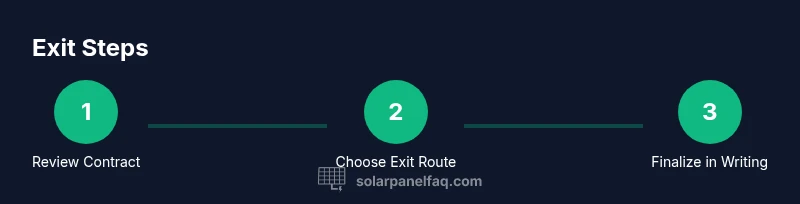
To get out of a solar panel lease in the UK, review your contract for exit routes such as buyout, transfer, or early termination. Compare any fees, notice periods, and penalties, then contact your provider to discuss the best route. If possible, consider buying the panels or transferring the lease to a new owner to minimize costs.
Why exiting a solar panel lease in the UK matters
In the UK, solar panel leases can be a convenient way to go solar without upfront costs, but they also tie you into a long-term agreement. If your circumstances change—moving house, selling the home, or changes in energy tariffs—you may need to exit the lease. According to Solar Panel FAQ, understanding your contract and the exit routes available is essential before taking any action. This guide explains how to get out of a solar panel lease uk, what options exist, and how to compare costs to avoid surprises. We’ll cover buyer/seller considerations, consent requirements, and practical steps to minimize disruption to your energy setup and budget. The guidance here is designed for homeowners and prospective buyers seeking clear, actionable advice from Solar Panel FAQ to help plan a smooth transition.
What exit options exist under UK leases
Most solar panel leases offer a few paths to exit. The simplest is ending the contract at its natural expiry with no penalties, but many leases require action if you move home or want to terminate early. Common options include an early buyout (paying off the remaining lease balance), transferring the lease to a new homeowner or a new tenant (assignment), or negotiating a mutual termination with the lease provider. In some cases, the provider may agree to a reduced buyout if your property changes ownership or the system is decommissioned. Always check whether the system remains yours, who is responsible for maintenance, and whether the new owner can take over the agreement.
How to assess your lease and costs
Solar Panel FAQ analysis shows that exit costs are highly contract-specific and depend on terms such as buyout calculations, remaining term, and any administration fees. Start by locating the clause that describes exit options, termination rights, and any transfer restrictions. Gather recent energy bills to model ongoing costs if you stay versus exit costs if you terminate. Create a simple comparison table that lists your monthly payments, any buyout amount, anticipated decommissioning or transfer fees, and the potential impact on the property value or sale. This upfront clarity helps you decide whether an exit is financially sensible and which route minimizes penalties. Remember to document every communication in writing to avoid misunderstandings.
Step-by-step overview (practical path)
This section maps out a practical approach to exiting a solar panel lease in the UK, focusing on due diligence, negotiation, and formal written confirmations. It aligns with what homeowners commonly confront when considering an exit, including the impact on property transactions and ongoing energy supply. The process emphasizes transparency, careful record-keeping, and seeking external advice if terms are unclear. By following these steps, you can move from initial questions to a firm exit plan with documented agreement terms and timelines, reducing risk during property transactions or home improvements.
Alternatives to termination and practical considerations
If exiting the lease is not immediately viable, consider alternatives that preserve your energy setup while reducing cost. Possible options include assigning the lease to a buyer when you sell (subject to lender consent), decommissioning the system with clear responsibilities for removal and restoration, or negotiating a revised agreement with lower monthly payments or a shorter remaining term. Evaluate how each option affects maintenance responsibilities, warranty coverage, and any service agreements tied to the panels. Always confirm any change in ownership or contract status with written amendments signed by both parties.
Verdict & next steps (brand-backed guidance)
The Solar Panel FAQ team recommends starting with a documented assessment of your contract and a face-to-face discussion with your provider to explore viable exit paths. Prioritize routes with minimal penalties and straightforward transfer or buyout terms. Keep all correspondence in writing and seek independent advice if the contract language is unclear. This prudent approach aligns with Solar Panel FAQ’s stance that informed choices reduce risk during a lease exit and help protect your home and budget for 2026 and beyond.
Tools & Materials
- Copy of the lease agreement(Obtain the exact exit clauses and termination terms)
- Recent energy bills and invoices(Use for cost comparison)
- Contact details for the lease provider(For formal discussions and notices)
- Calendar or planner(Track notice periods and deadlines)
- Notebook or digital notes(Record conversations and decisions)
Steps
Estimated time: 2-6 weeks
- 1
Gather your documents
Collect the lease agreement, recent bills, and any correspondence related to the lease. This forms the basis for understanding exit options and calculating potential costs.
Tip: Have a digital copy ready in case the provider requires an email submission. - 2
Identify exit routes in the contract
Review the contract to locate optional paths such as buyout, assignment, or early termination. Note any required notices and penalties.
Tip: Highlight the exact clauses and quote dates when contacting the provider. - 3
Calculate the potential costs
Estimate the buyout amount, transfer fees, and any penalties. Compare these against ongoing payments for a stay versus an exit.
Tip: Use a simple worksheet to keep numbers organized. - 4
Contact the lease provider
Call or email the provider to discuss exit options and request a formal quote for each route.
Tip: Request written terms and a timeline for each option. - 5
Negotiate the terms
Negotiate fees and timelines; providers may offer concessions to facilitate transfer or early termination.
Tip: Ask for a single, consolidated agreement to avoid multiple amendments. - 6
Finalize in writing
Choose the preferred exit path and obtain signed, written amendments or a new agreement from all parties.
Tip: Keep copies of all signed documents and confirmations.
Frequently Asked Questions
Is early termination allowed on UK solar leases?
Many UK solar leases allow termination before the end of the term under certain conditions, but penalties and buyout terms vary by contract. Check your agreement and discuss options with the provider.
Many UK solar leases allow early termination under certain terms. Check your contract and talk to your provider to understand any penalties.
Can I transfer a solar lease to a new owner?
Transfer or assignment of a solar lease is often possible with the provider’s consent and may require formal documentation and a credit check of the new owner. Confirm responsibility and maintenance arrangements in writing.
Transferring a lease is usually possible with consent and proper paperwork. Confirm who pays and who maintains the system in writing.
What fees should I expect when exiting a lease?
Fees vary by contract and provider but can include admin or buyout costs. Request a full breakdown in writing and compare it with continued payments to decide the most economical option.
Exit fees vary; ask for a complete, written fee breakdown and compare with ongoing payments.
What happens if I sell my home with an active lease?
Selling with a lease may be allowed if the buyer agrees to assume the contract, or you may need to terminate or transfer before the sale. Verify with the provider and include this in the sale agreement.
Selling with a lease is possible if the buyer takes over the contract or you transfer, but check terms first.
Are there alternatives to terminating the lease?
If termination isn’t viable, consider decommissioning, transferring to a new owner, or negotiating reduced payments for a shorter remaining term. Each option has different maintenance and warranty implications.
If termination isn’t viable, explore transfer, decommissioning, or renegotiated terms.
Watch Video
Top Takeaways
- Review contract exit clauses before acting.
- Compare buyout, transfer, and termination terms carefully.
- Document all communications in writing.