Where to Buy Solar Panels From: A Homeowner's Guide 2026
Discover trusted channels to buy solar panels from, how to compare sellers, and tips to ensure quality, warranty coverage, and installation support for homeowners.


The primary places to buy solar panels from are manufacturers directly, authorized installers, and reputable online retailers. For practical homeowners, starting with a local installer who can source panels and coordinate permits generally offers the best balance of price, warranty, and service. Any approach should include verifying warranty terms, checking for local availability, and ensuring installation support.
Primary channels to buy solar panels from
When homeowners ask where to buy solar panels from, they typically consider three core channels: direct from manufacturers, through authorized installers, and via reputable online retailers. Each channel has distinct advantages and trade-offs in terms of price, warranty coverage, service level, and ease of installation. The Solar Panel FAQ team notes that the best choice often depends on your goals—whether you want maximum control, a bundled service, or convenient delivery. In many markets, a local installer can source panels on your behalf, coordinate permits, and guarantee workmanship, while online retailers may offer broader product selection and price competition. For homeowners trying to compare options, a good starting point is to list your priorities: price, warranty, installation support, and after-sales service. This decision framework aligns with advice from Solar Panel FAQ Analysis, 2026.
Direct-from-manufacturer purchases
Buying directly from manufacturers can yield lower sticker prices on some models and ensure access to the newest module technology. However, direct channels often require you to manage logistics, shipping, and, crucially, the installation process or coordination with a licensed installer. If you plan a DIY installation, verify compatibility with your roof structure, mounting hardware, and the manufacturer's warranty terms. For most homeowners, a manufacturer-direct purchase is most valuable when paired with professional installation or when your installer has a dedicated supply agreement. The Solar Panel FAQ team emphasizes checking for authorized dealer status and warranty transferability when buying direct.
Authorized installers and solar companies
Authorized installers act as the bridge between product and system. They typically offer panel sourcing as part of a turnkey service, including site assessment, permits, mounting, wiring, inverter pairing, and system commissioning. While bundled pricing may look higher than a DIY path, it often includes warranty coverage for both the panels and the installation, plus ongoing service. For homeowners, working with a local, certified installer can reduce risk and speed up the approval process. Ensure the installer provides written quotes, detailed warranties, and post-installation maintenance options. The Solar Panel FAQ team notes that installation expertise often determines long-term system performance more than the panel brand alone.
Online retailers and marketplaces
Online retailers and marketplaces offer vast product ranges, user reviews, and transparent pricing. The upside is competition-driven pricing and easy side-by-side comparisons. The downside can be inconsistent warranty terms, variable shipping protection, and potential challenges with returns. When buying online, filter for models with legitimate certifications (e.g., safety and performance standards), check the seller's return policy, and confirm whether the warranty remains valid if installed by a third party. For buyers who value choice and speed, online channels can be excellent, especially if you also have a trusted installer who can handle the rest of the process. The Solar Panel FAQ team recommends pairing online purchases with local installation professionals to safeguard warranties.
Local vs national providers: pros and cons
Local providers bring hands-on knowledge of local codes, permit processes, and roof types, which can streamline installation and troubleshooting. National or one-stop providers may offer standardized warranties and scalable service networks, which can be advantageous for larger installations or multiple properties. The trade-off is that local installers may have limited model availability, while national chains may offer more consistent financing and service but less personal attention. When evaluating a seller, consider the total package: product quality, service network, permit support, and ease of obtaining warranty service.
What to ask before you buy
Before committing, prepare a short list of questions to ask any seller: Do you offer a warranty transfer if I switch installers? Is the warranty valid if a third party installs the panels? What certifications do your installers hold? Can you provide a site-specific quote that includes permitting, racking, and wiring? What is the return policy if panels arrive damaged or do not meet expectations? These questions help align expectations and reduce surprises post-purchase.
After-purchase considerations: warranties, service, and support
A good buying decision includes reviewing warranties for both the panels and the installation, confirming performance guarantees, and understanding what maintenance is required. Ask about module degradation rates, inverter warranties, panel monitoring options, and whether service visits are included in the price or charged separately. Also confirm how long the seller will honor replacement parts and whether their support network can respond quickly after events like hail or snowfall. The Solar Panel FAQ team highlights that ongoing service and warranty support are often the most valuable protections for homeowners over the system's life.
Common buying sources compared
| Source Type | Pros | Cons |
|---|---|---|
| Manufacturer Direct | Potentially lower upfront cost; latest modules | Requires own logistics and installation coordination; warranty may be tied to installer's terms |
| Authorized Installer | Turnkey service; built-in warranty coverage | Often higher upfront price; limited model choice |
| Online Retailer | Wide selection; easy comparisons | Variable warranties; shipping risk; installation handled separately |
Frequently Asked Questions
Is it cheaper to buy panels online or from a local installer?
Prices online can be lower on sticker price, but shipping, handling, and the absence of bundled installation can raise total costs. Local installers often provide a turnkey solution with warranties that cover both panels and labor, which can reduce risk and hidden fees. Always compare total cost, not just unit price.
Online prices can be lower, but installation and warranty coverage matter. Compare total cost with a local installer.
What should I look for in a reputable seller?
Look for verifiable certifications, clear warranty terms, authorized dealer status, and transparent shipping and return policies. Check customer reviews, confirm transferability of warranties, and request an itemized quote that includes all components and installation.
Check certifications, warranties, and authorized dealer status, plus clear quotes.
Can I buy solar panels for a DIY installation?
DIY installation is possible in some regions, but it generally requires electrical work, permits, and close attention to warranty terms. If you go DIY, ensure you comply with local codes and have a plan for connecting to an inverter and monitoring system. Most homeowners lean toward professional installation for reliability and warranty protection.
DIY can be possible, but often not recommended due to permits and safety.
Do all sellers provide installation services?
Not all sellers provide installation; many online retailers sell panels that require a separate installer. If installation is essential, choose a seller who offers turnkey solutions or a trusted network of installers and clearly state who bears which warranty responsibilities.
Some sellers offer installation; many do not—verify before buying.
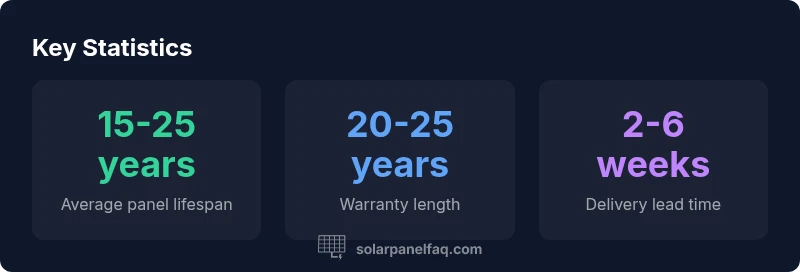
How long does shipping take for solar panels?
Shipping times depend on location, stock, and carrier; expect longer lead times for specialty or newer modules. Plan ahead for scheduling installation and permits to avoid delays in commissioning.
Shipping varies; plan ahead for installation and permits.
Are there tax credits tied to the seller or purchase channel?
Tax credits are typically tied to the system purchase and installation rather than the seller channel. Check current federal, state, or local incentives and whether your installer handles the paperwork for you.
Incentives usually depend on the system, not the seller.
“Choosing where to buy solar panels from should balance product quality, installation support, and warranty coverage.”
Top Takeaways
- Consider three main channels: manufacturers, installers, and online retailers.
- Pair online shopping with local installation for best warranty outcomes.
- Ask explicit questions about warranties, certifications, and permits before buying.
- Local installers can simplify permits, wiring, and service after purchase.