Where to Buy Solar Panels: A Practical Guide for Homeowners
A practical, data-informed guide on the best places to buy solar panels, how to compare sources, verify warranties, and avoid scams. Learn how to source panels from manufacturer-direct sites, installers, and trusted retailers with confidence.


Where to buy solar panel? Start with three trusted sources: local certified solar installers, manufacturer-direct online stores, and reputable retailers (home improvement chains). Local installers can quote installed systems and supply panels, while manufacturer-direct sites offer warranties and model availability. Always verify warranties, check installer credentials (e.g., NABCEP), and compare quotes to ensure you're getting genuine panels and fair pricing.
Where to buy solar panels: channels and roles
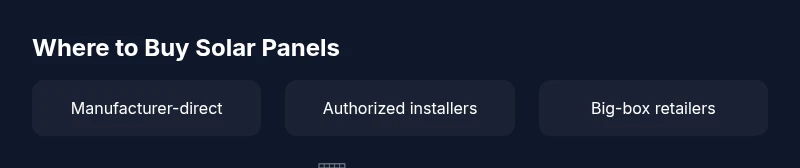
Where to buy solar panel is a common question for homeowners who want to balance upfront cost with long-term reliability. The answer isn’t a single source; it’s a mix of channels that best fit your goals, timing, and location. In practice, most buyers access panels through three main avenues: manufacturer-direct online stores, authorized distributors plugged into installer networks, and traditional retailers or big-box home improvement stores. Each channel has its own strengths and trade-offs, and the right choice often depends on your planned level of involvement—do you want a turnkey install, or are you comfortable coordinating parts separately?
According to Solar Panel FAQ, the best buying strategy usually starts with a local, certified installer who can assess your roof and energy goals and then guide you toward reputable panel sources. Solar Panel FAQ Analysis, 2026 also notes that customers who pair a trusted installer with an approved supplier tend to enjoy smoother warranty claims and faster service when issues arise. In this section we’ll break down who sells panels, how pricing and warranties differ by channel, and how to tell whether a source is legitimate. We’ll also touch on regional differences—some channels are more common in urban markets, others in rural areas with limited access to out-of-state inventories.
Manufacturer-direct sites vs authorized distributors via installers
Manufacturer-direct online stores tend to offer the broadest model selection and direct warranty coverage, which can be advantageous for buyers who want the newest modules and the simplest claims process. However, these sites may have longer shipping times or limited regional stock, especially for popular sizes or newer technologies. Authorized distributors routed through installer networks provide a strong balance of local support and service. You’ll often get bundled quotes that include labor, permitting, and post-install maintenance, which helps with long-term warranty support. The trade-off can be a slightly narrower product catalog and, in some cases, higher upfront costs due to bundled services.
When you’re choosing where to buy solar panel, consider your project scope: if you’re planning a full system install with roof work, a distributor-through-installer approach can simplify logistics and warranty handling. If you’re a DIY-ish buyer with a clear spec, manufacturer-direct sources may offer the most model options and direct warranties. In all cases, verify that the panel models you select are UL-listed or meet local safety standards and that the seller can provide genuine documentation for the model number and serials.
Local installers: value-added sourcing
Local installers are not just installers; they act as sourcing guides for panels that fit your roof, inverter, and electrical system. A certified installer can recommend reputable brands, confirm compatibility with your existing equipment, and arrange expedited procurement from trusted suppliers. Because installers handle permits, electrical connections, and post-install inspections, buying through them can reduce risk and confusion. Always request a written breakdown that shows which panels the installer will source, along with the expected delivery timeline and the warranty terms. If you have strong preferences for certain brands, ask the installer about their approved list and whether they offer any in-house procurement or third-party sourcing.
From a homeowner’s perspective, the value in this channel often lies in convenience and service. You don’t just acquire panels; you gain a single point of responsibility for the whole project. Solar Panel FAQ analysis suggests that homeowners who choose installer-assisted sourcing report higher satisfaction with post-install support and fewer warranty disputes compared with those who purchase strictly online without an installer connection.
Warranties, certifications, and model compatibility
Warranty terms are a critical part of choosing where to buy solar panel. Look for product warranties that cover both material defects and performance degradation, and confirm whether the warranty is transferable if you sell the home. Installers should provide a service warranty that covers labor and any necessary panel replacements during the installation period. Certifications matter too: ensure panels carry widely recognized safety marks (such as UL) and that the installer uses NABCEP-certified professionals when assessing system design and safety. Always request model numbers, serial numbers, and official warranty documents before purchase, and verify through the manufacturer’s site or customer service to prevent misrepresentations. This diligence pays off in long-term reliability and faster warranty claims if needed.
How to compare offers: quotes, warranties, and service
When evaluating quotes, look beyond the device price. A comprehensive quote should itemize panels, inverters, racking hardware, wiring, labor, permits, and any post-install maintenance. Compare warranty lengths and what they cover, including workmanship and potential power-output degradation over time. Check whether installation is included, who handles permits, and what service is offered if panels need maintenance or replacement. If you’re unsure about the differences between brands, request independent performance data and check for third-party reviews. Finally, consider the supplier’s return policy and their track record on support responsiveness. The best deals are those that balance cost with predictable service, strong warranties, and clear, documented terms.
Sourcing channels at a glance
| Channel | Pros | Cons | Best For |
|---|---|---|---|
| Manufacturer-direct site | Full model range; direct warranties | Potential regional limits; shipping times | If you want the widest choice and strongest warranty |
| Authorized installer distributors | Local support; integrated service | May have higher upfront costs; stock varies | If you value bundled service and easier claims |
| Big-box retailers | Convenience and quick quotes | Variable warranties; less customization | Simple purchases and fast access |
Frequently Asked Questions
What is the best source to buy solar panels?
There isn’t a single best source; prioritize reputable channels—manufacturer-direct sites, authorized installers, and trusted retailers. Each has trade-offs in price, warranty, and service. Compare quotes and check credentials.
There isn’t one best source; weigh warranties and quotes from reputable channels.
Should I buy panels online or through a local installer?
Both are viable options. Buying through a local installer often includes installation and service, ensuring compatibility and easier warranty handling. Online purchases can be cheaper but may require more diligence on warranty claims and compatibility.
Online or through a local installer works; local involvement helps with fit and service.
How can I verify a panel’s warranty and authenticity?
Check warranty duration, transferability, coverage scope, and whether the seller will handle warranty claims. Always request official warranty documentation and confirm the exact model and serial numbers.
Check the warranty length, what’s covered, and if it's transferable.
Are counterfeit panels a real concern?
Yes—buy from recognized manufacturers, authorized distributors, or installers. Look for serial numbers, UL markings, and official documentation to verify authenticity.
Counterfeits exist; stick to reputable sources and verify markings.
What should I ask my installer about sourcing panels?
Ask whether they source panels themselves or use a distributor, which brands they carry, how warranties are handled, and whether installation is included in the price.
Ask about sourcing, brands, warranties, and whether installation is included.
“Choosing where to buy solar panels is as important as selecting the right system—authentic components from reputable sources protect your investment for decades.”
Top Takeaways
- Identify your buying channel first (manufacturer-direct, installer-based, or retailer).
- Prioritize channels that offer clear warranties and documented terms.
- Always verify model numbers, serials, and transferability of warranties.
- Coordinate with a certified installer to simplify permits and service.