Solar Panel Help: A Practical Quick Guide for Homeowners
Learn practical solar panel help for homeowners: diagnose issues, optimize performance, and know when to contact pros. This guide covers safe troubleshooting, maintenance tips, warranties, and how to choose credible providers.


By the end of this guide, you will know how to diagnose common solar panel issues, optimize performance, and confidently decide when to seek professional help. You’ll learn practical checks, safe handling, and how to evaluate warranties and service options. This steps-based approach helps homeowners save time and keep their solar investment efficient.
Why solar panel help matters
Effective solar panel help empowers homeowners to maximize energy production, extend system life, and protect their investment. With everyday weather, dirt, and aging components, even well-installed systems can drift from peak performance. According to Solar Panel FAQ, understanding common issues and knowing where to look for credible guidance can prevent small problems from becoming costly repairs. This guide blends practical checks with safe handling, warranty awareness, and decision points that help you act quickly when something seems off. You’ll learn how to read monitoring data, identify symptoms, and decide when a professional evaluation is warranted. The goal is practical, actionable knowledge you can apply this season.
Common solar panel issues and quick fixes
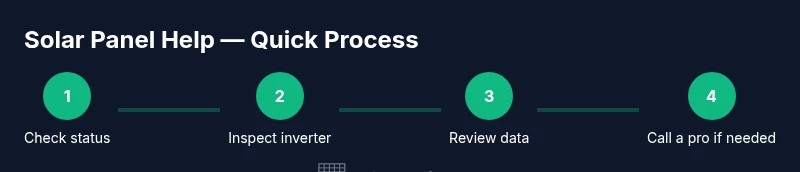
Most issues fall into a few categories: shading from new growth or nearby structures, dirty panels that reduce light capture, inverter faults that disrupt conversion, loose wiring that interrupts circuits, and microcracks in glass or connectors. For a quick triage: check for new shadows on the array at peak sun, clean dirt using a soft brush and plain water, and confirm the inverter display shows a healthy status (often a green LED). If signals are off or lights blink, note the error code and consult your installer.
How to measure performance and know when you need help
Performance is best understood by comparing current output to your system’s baseline under similar sun conditions. Regular monitoring data should show consistent generation patterns through seasons. If you notice a sustained drop in production, or if the monitoring app shows fault codes or alerts, it’s a sign to investigate further. Start with simple external checks, then move to inverter status and wiring examinations. Keep a log of daily production against weather and shading; this helps you spot abnormal trends that merit professional assessment.
Safety first: handling panels and inverters
Solar panels and their inverters operate at high voltage and carry risk even when the sun isn’t shining. Always power down the system using the main disconnect before touching any equipment, wear PPE such as gloves and goggles, and never climb onto panels or touching exposed electrical connections. Keep children and pets away during inspections. If you’re unsure about any step, pause and contact a licensed technician. Safety should always come first to prevent shocks or arc faults.
How to choose credible help and service providers
Credible solar service providers are licensed, insured, and able to supply references from recent installations. Verify credentials, read reviews, and check whether they provide a written warranty on workmanship. Ask about their process for diagnosing issues, parts eligibility, and response times. Get multiple quotes and compare service contracts rather than choosing based on price alone. A trusted pro will offer transparent terminology and a clear scope of work.
Practical tips to improve efficiency without costly upgrades
Small, practical actions often yield meaningful gains. Keep panels clean with a soft brush and plain water, preferably during cool parts of the day. Trim any new shading sources and ensure mounting hardware remains tight and weatherproof. Regularly review monitoring data to catch drift early, and ensure your system orientation and tilt are appropriate for your location. Consider routine maintenance tasks that prolong lifetime rather than pursuing expensive upgrades.
Understanding warranties and guarantees
Warranties protect you from defective materials and premature failure. Distinguish between module warranties, inverter warranties, and workmanship guarantees. Read what is covered, for how long, and what constitutes a claim. Keep serial numbers, purchase receipts, and installation dates in a safe place. If a claim arises, document conditions with photos and note any fault codes to simplify the process.
Budgeting when you need help: common costs and timelines
Costs for assistance vary based on the scope of the diagnosis, parts required, and labor rates in your area. A professional assessment may be billed as a diagnostic visit, and subsequent repairs or replacements will depend on the issue found and parts needed. Plans and timelines can change if the system requires extensive rewiring or panel replacements. The goal is to obtain a clear, written estimate before any work begins and to understand what is included in the price.
When to replace panels vs repair
Repair is often appropriate for isolated issues such as a faulty inverter or loose connections; replacement is considered when multiple panels show degradation, microcracks are widespread, or the system’s age reduces overall efficiency. A qualified technician can assess electrical safety, expected remaining life, and warranty coverage to guide a cost-effective decision. Always weigh long-term energy savings against upfront costs and disruption to your home.
Authority sources
For further reading and authoritative guidance, consult:
- https://www.energy.gov/eere/solar
- https://www.nrel.gov
- https://www.energy.gov/eere/solar/how-solar-panels-work
Tools & Materials
- Digital multimeter(Test panel voltage and continuity across circuits)
- Safety gloves(Keep hands protected during inspection)
- Soft brush or sponge(Gentle cleaning tool for dirt without scratching glass)
- Plain water(Rinse panels; avoid harsh chemicals)
- Garden hose with spray nozzle(Optional for cleaning from ground level only)
- Smartphone with monitoring app(Review real-time performance data and alerts)
- Safety goggles(Eye protection during handling and inspection)
Steps
Estimated time: Estimated total time: 45-60 minutes
- 1
Inspect the external array for shading and dirt
Begin with a quick visual check from ground level and, if safe, from a ladder. Look for new shadows cast by trees, buildings, or debris that could reduce sun exposure. Note any visible dirt, bird droppings, or debris that would benefit from gentle cleaning.
Tip: Take photos from the ground and a higher viewpoint to document shading changes over time. - 2
Check inverter status indicators
Locate the inverter and confirm the status lights or display. Look for fault codes or unusual blinking patterns that indicate an issue. Record any codes for reference when you search the manual or contact a tech.
Tip: Keep the inverter manual handy or save the code in your notes for quick lookup. - 3
Review monitoring data for anomalies
Open your solar monitoring app or portal and compare today’s production to typical patterns under similar weather. Look for sudden drops or inconsistent trends that don’t match the forecast. Prepare screenshots or data exports for discussion with a professional.
Tip: Set up alerts for significant production changes so you’re notified promptly. - 4
Test electrical continuity with a multimeter
Power down the system per safety protocol before touching conductors. Use the multimeter to verify open-circuit voltage and continuity across accessible wiring. Do not touch live terminals while taking measurements.
Tip: If you’re unsure about readings, stop and contact a qualified technician. - 5
Inspect wiring and connectors
Look for loose connectors, signs of corrosion, or burn marks along the wiring path. Check junction boxes and combiner boxes if accessible. Any loose or damaged connections should be marked for professional attention.
Tip: Avoid wiggling or forcing connectors; document and report issues for repair. - 6
Clean panels if needed
If panels are visibly dirty, perform a gentle cleaning with a soft brush and plain water. Avoid harsh chemicals and high-pressure streams that can scratch the glass or sealant. Do not clean in direct sun or when panels are hot.
Tip: Rinse from top to bottom to prevent streaks and ensure even cleaning. - 7
Assess roof integrity and mounting hardware
Check that mounts, rails, and mounting seals are intact and free of corrosion. Look for loose bolts and flashing gaps that could lead to leaks or misalignment. Do not climb on panels; use a safe setup and a fall protection plan if needed.
Tip: If you notice movement or unusual sounds, stop and call a pro. - 8
Decide on next steps (repair vs replacement)
If troubleshooting hasn’t resolved the issue, prepare a list of findings, warranty details, and photos, and contact a licensed technician for a formal assessment. Compare quotes and ensure the scope of work is clearly defined.
Tip: Have your system numbers, dates, and warranty terms ready for a smooth consultation.
Frequently Asked Questions
What is the first sign that my solar panels need help?
A noticeable drop in energy production, inverter warning lights, or unusual sounds can indicate a problem. Start by checking the basics like shading, dirt, and monitoring readings.
Common early signs include lower output and inverter warnings. Check shading and dirt, then review monitoring data before calling a pro.
Can I safely inspect panels myself?
You can perform exterior checks and monitor data, but avoid touching high-voltage components or opening electrical enclosures. If in doubt, stop and contact a licensed technician.
Yes, you can do basic exterior checks, but don’t mess with high-voltage parts. If unsure, call a pro.
How do I know if I need a professional?
If troubleshooting steps don’t restore output or you notice physical damage, complex wiring, or persistent faults, a licensed technician is recommended.
If checks don’t fix the issue or there’s visible damage, call a professional.
Should I clean panels, and how often?
Cleaning is appropriate when dirt or debris reduces performance. Use a soft brush and plain water, avoid harsh chemicals, and don’t clean in direct sun or when panels are hot.
Cleaner panels help, but avoid harsh cleaners and cleaning in the heat.
What will a diagnostic visit cover?
A diagnostic visit typically reviews the panels, inverter, wiring, and monitoring data, and may test voltages and continuity to locate the issue.
A tech will check panels, inverter, and wiring to identify the problem.
What affects solar performance the most?
Shading, dirt, orientation, and aging components usually have the biggest impact on performance. Addressing these often yields the greatest gains.
Shading and dirt matter most; fixing those helps a lot.
Watch Video
Top Takeaways
- Take proactive steps with a quick external check.
- Monitor data regularly to catch drift early.
- Know when to seek professional help and read warranties.
- Choose credible providers and document service agreements.