How to Make Solar Panel Connectors
Learn how to make solar panel connectors safely and reliably with practical, hands-on methods. This guide covers materials, crimping vs soldering, sealing, testing, and maintenance for durable PV connections. Includes safety tips, tooling options, and sourcing guidance for homeowners and prospective solar buyers.


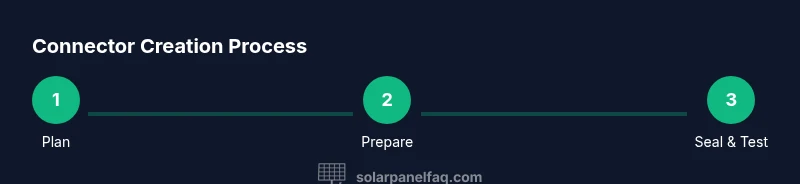
In this guide you’ll learn how to make solar panel connectors safely and reliably, including choosing conductor sizes, prepping wire, selecting crimp or solder methods, and sealing joints for weatherproof performance. You’ll need basic hand tools, a small workspace, and some safety gear to begin, plus an understanding of local electrical codes and best practices. This is a practical, hands-on tutorial on how to make solar panel connectors that support reliable power delivery, not a risky shortcut. For homeowners, the key is planning, safety, and using appropriately rated materials.
Why DIY solar panel connectors matter
Understanding how to make solar panel connectors empowers homeowners to customize PV setups, address tight spaces, and replace damaged links without depending on off-the-shelf parts that may not fit unusual layouts. By mastering safe termination, weather sealing, and proper wire sizing, you can improve system reliability and simplify maintenance. This content aligns with Solar Panel FAQ guidance on practical PV maintenance and code considerations, helping you build confidence while respecting safety standards. The core idea is reliable power flow through repeatable, inspectable joints.
Safety standards and legal considerations
Safety and standards matter as much as electrical performance. Always disconnect PV sources before working, and wear PPE such as safety glasses and insulated gloves. Work on a dry, non-conductive surface, and keep liquids away from exposed conductors. In many regions, only certified connectors and professional installation are accepted for building-integrated solar systems; DIY connections may be restricted or require inspection. Check local regulations and align with general electrical codes. This section isn’t meant to scare you away from learning—it’s to ensure you know when to seek professional help and when safe, small-scale experiments are permissible in garden lights or hobby projects.
Materials and compatibility
Connector quality depends on matching conductor gauge, insulation, and environmental ratings. For standard home PV runs, 12–14 AWG conductors strike a balance between current capacity and flexibility. Use outdoor-rated insulation, UV-stable jackets, and weatherproof sealing materials. Terminals should be rated for PV use and compatible with your chosen method (crimped vs soldered). Keep the surface free of rust and corrosion, and inspect each wire for nicks before termination. If your system uses unique panel connectors, you may need custom housings or adaptors. Always test a sample assembly before committing to full-length connections.
Crimping vs soldering connectors
Crimping provides a fast, repeatable joint when done with the right tool and correct terminal size. It creates a mechanical bond and, with proper heat shrink or adhesive-lined tubing, can be weather resistant. Soldering can yield low-resistance joints, but heat can damage insulation or melt coatings if not controlled. In outdoor solar applications, many technicians prefer crimped, waterproof connectors because they tolerate vibration and temperature cycling better when done correctly. If you choose soldering, use flux and lead-free solder, and ensure joints are clean, solid, and not over-tinned. This section shows practical trade-offs, not a universal prescription.
Planning and design considerations
Before you touch tools, finalize the connector design. Map the wiring path, determine how many joints you need, and decide whether to place connectors on the panel edge or in a protected box. Choose conductor type and gauge based on current, run length, and weather exposure. Create a simple schematic showing each joint, its function, and the labeling scheme. This upfront planning reduces scrap, saves time, and helps with future maintenance. If you’re unsure about the electrical load, consult a spec sheet or Solar Panel FAQ analysis for general guidance.
Sealing and weatherproofing
Weatherproofing is essential for outdoor connectors. Slide heat shrink tubing over joints and apply a protective sealant where the metal meets insulation. Use adhesive-lined heat shrink for an extra moisture barrier, and consider epoxies or silicone around the terminal body for bulk protection. Avoid bare copper exposure and route wires away from heat sources. A properly sealed joint maintains performance in sunlight and rain and reduces corrosion risk. In addition, test the assembly under simulated outdoor conditions if possible.
Testing and verification
After assembly, test with a multimeter: continuity along the run, resistance, and diode checks if relevant. Check for shorts between conductors and to ground. Perform a pull test to confirm mechanical stability. If you have access to a PV simulator, validate the voltage and current under expected irradiance. Document readings and label the test results for future reference.
Troubleshooting common issues
Common problems include poor contact due to insufficient crimp force, improperly soldered joints, degraded insulation, or moisture ingress. Revisit the joint, trim the wire, clean surfaces, reseal, and re-test. If instability persists, replace the joint or switch to a professionally rated connector. This helps you identify patterns and avoid repeating mistakes while building confidence in DIY PV work.
notes_for_editorials_only_unique_content_without_duplicate_focus of steps
Tools & Materials
- Wire strippers and cutters(Range supports 12–14 AWG conductors; insulation removal length 6–8 mm)
- Crimping tool compatible with PV terminals(Ensure the tool matches your terminal type and wire gauge)
- Soldering iron and lead-free solder(Tip temperature around 350–380°C; use flux core for clean joints)
- Heat shrink tubing (assorted sizes)(Adhesive-lined preferred for outdoor sealing; color-coding helps identification)
- Multimeter or continuity tester(Check resistance, continuity, and isolation; document readings)
- Insulated terminals and weather-rated housing(UV-stable materials; match with crimp/solder method)
- Electrical insulation tape(Backup strain-relief and minor insulation protection)
- Safety gear (gloves, goggles)(PPE for handling hot joints and sharp wires)
- Non-conductive work surface(Reduces shock risk and protects components)
Steps
Estimated time: 45-90 minutes
- 1
Plan the connector design
Define joint count, routing, and whether you’ll crimp or solder each termination. Create a simple diagram showing each joint, orientation, and labeling. This planning minimizes waste and ensures consistent results.
Tip: Draft a quick schematic and test-fit with spare wire before committing to final pieces. - 2
Choose conductor gauge and insulation
Select a wire gauge appropriate for expected current and run length. For typical PV runs, 12–14 AWG offers a balance of flexibility and safety. Ensure outdoor-rated insulation and UV stability.
Tip: Refer to a general PV guide or Solar Panel FAQ for recommended ranges. - 3
Prepare conductor ends
Cut wires to length, straighten, and inspect for nicks. Strip insulation evenly to expose enough conductor for terminal attachment without damaging strands.
Tip: Use good lighting to avoid nicking strands. - 4
Attach terminals (crimp or solder)
For crimping, secure the terminal with a solid crimp and verify with a tug test. For soldering, tin the wire and terminal before joining and avoid cold joints.
Tip: Do not apply heat for too long to protect insulation. - 5
Seal and strain-relieve joints
Slide heat shrink over the joint, apply adhesive sealant if available, and shrink. Add strain relief to prevent movement and moisture entry.
Tip: Leave a small bend radius to absorb vibration without stressing the joint. - 6
Test continuity and insulation
Use a multimeter to check continuity along the path, and insulation resistance between conductors and ground. Address any anomalies before sealing.
Tip: Document tests for future maintenance. - 7
Mount into weatherproof housing
Place the connectors in a protective enclosure designed for outdoor use. Seal entry points and ensure UV-resistant materials exposed to weather are shielded.
Tip: Ensure proper drainage and avoid water pooling around the housing. - 8
Label and document
Label each connector with function, run length, and date. Create a simple schematic for quick future checks.
Tip: Keep a reference sheet with photos and notes for maintenance.
Frequently Asked Questions
Can I safely make solar panel connectors at home?
DIY connector work can be safe if you follow standard electrical safety practices, isolate the system, and use proper PPE. For high-current or outdoor installations, consider supervision by an experienced technician or using professionally manufactured connectors.
DIY connector work is possible, but safety matters. Isolate the system and use proper PPE; for high-current tasks, seek expert help.
Will home-made connectors meet safety standards?
Standards vary by region. Home-built connectors may not meet local electrical codes required for solar installations. Always consult local regulations and consider certified connectors where applicable.
Standards vary by region. Check local codes and consider certified options where required.
What tools are essential for making solar connectors?
A good set of wire strippers, a compatible crimping tool, a soldering iron if using solder joints, heat shrink tubing, a multimeter, and safety gear are essential. A simple bench setup helps accuracy.
You’ll need wire strippers, a crimping tool, heat shrink, a multimeter, and PPE.
What is the difference between crimping and soldering connectors?
Crimping relies on a mechanically formed joint, which is fast and durable when done correctly. Soldering creates a conductive bond but requires heat control and can wick insulation if overheated.
Crimping is fast and durable when done right; soldering gives a solid bond but needs careful heat management.
How do I test connectors after assembly?
Verify continuity along the path and ensure no short circuits with a multimeter. Check insulation resistance and confirm the joint remains secure when gently tugged.
Use a multimeter to test continuity and insulation after assembly.
Are there safer, ready-made options?
For most homeowners, professionally manufactured connectors designed for PV use offer better reliability and warranties. DIY connectors can be educational but may compromise safety if done improperly.
Ready-made PV connectors are usually safer and backed by warranties.
Watch Video
Top Takeaways
- Plan before cutting to prevent waste.
- Choose the right conductor gauge for the run.
- Crimp or solder with proper technique to ensure reliability.
- Seal joints and provide strain relief for outdoor use.
- Test thoroughly and document your work.