Difference Between Solar Panel and Solar Plate: A Clear Look
Explore the difference between solar panel and solar plate, covering definitions, performance, installation, and cost. Learn which option fits your roof and budget with practical, objective guidance.


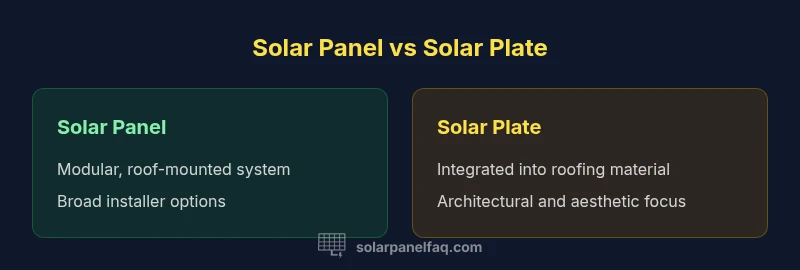
According to Solar Panel FAQ, the difference between solar panel and solar plate comes down to construction, installation approach, and long-term maintenance. Solar panels are standard modular PV units that bolt to a roof or racking system, while solar plates are integrated or surface-mounted elements with architectural considerations. For most homes, traditional panels offer better flexibility, easier upgrades, and broader support networks.
What is the difference between solar panel and solar plate?
The phrase difference between solar panel and solar plate is often discussed in homeowner guides because these terms point to two distinct approaches to harvesting solar energy. According to Solar Panel FAQ, the core distinction is in how the PV material is delivered and how it integrates with your roof or building envelope. A solar panel, in common usage, is a modular photovoltaic (PV) unit consisting of crystalline silicon cells protected by glass and housed in a frame. It is designed to be installed on racks or ballast and can be added or removed with relative ease. A solar plate, by contrast, refers to a PV element that is embedded within a roofing plate or tile, or a plate-alternative that lies flush with the roof surface. In practice, the terminology often overlaps with “thin-film,” “building-integrated photovoltaics (BIPV),” or “roof-integrated solar.” This difference affects planning, permits, maintenance, and future upgrades; homeowners should evaluate these factors against their roof type and energy goals.
Technology and Materials: How They Collect Light
Technology choice drives efficiency, durability, and how a system behaves in real-world conditions. In the context of the difference between solar panel and solar plate, materials matter as much as configuration. A traditional solar panel relies on crystalline silicon cells—either monocrystalline or polycrystalline—cracked into a glass envelope and protected by a durable frame. The glass shields the cells while allowing light through, and the frame provides mounting stability. A solar plate, when used in a building-integrated approach or roof-plate variation, integrates PV cells into the roofing material or an overlay plate. This can involve thin-film PV or embedded crystalline cells designed to blend with roof aesthetics. In practice, the plate approach often trades some module-level efficiency for reduced hardware visibility and streamlined roof lines. Temperature sensitivity and shading effects apply to both, but integration may alter heat dissipation and electrical pathways, influencing how performance translates to your electric bill. Solar Panel FAQ notes that while standard panels have a robust supply chain and tested performance, roof-integrated plates require careful matching of roofing materials, load ratings, and sealing to avoid leaks.
Installation Realities: Roofs, Space, and Compatibility
Installation logistics are a major differentiator. A conventional solar panel system uses racked modules that can be placed on a wide range of roof shapes and orientations, with mounting hardware designed for easy servicing and future expansion. This modularity also makes retrofits simpler; if you later want to add more capacity, you typically simply order more panels and extend the array. Solar plates, in contrast, may be integrated into the roof itself or installed as a surface plate with less visible hardware. While this can improve curb appeal and reduce wind-load concerns, it also ties the solution to a specific roof type and installation method. If you later want to upgrade, you might face more complex retrofits or even partial roof replacement. For homeowners, the key takeaway is to assess your roof’s orientation, shading, and structural loads before choosing between a modular panel setup and a roof-integrated plate approach.
Efficiency and Output: What Really Impacts Billable Power
Efficiency is a core consideration when weighing the difference between solar panel and solar plate. Traditional panels typically publish higher nameplate efficiencies because individual modules maximize energy conversion with proven cell technology. Roof-integrated plates, especially when built into the roof, may have lower module-level efficiency due to packaging, wiring, and protective layers. However, advances in building-integrated photovoltaics (BIPV) have narrowed gaps in certain applications, and some plate solutions now approach conventional panel performance in controlled conditions. Real-world output depends on factors like orientation, shading, temperature, and system design. A key nuance is that panels offer a straightforward performance warranty with standardized test conditions, while plates rely more on the roof assembly’s integrity and environmental sealing. Solar Panel FAQ highlights that the best choice balances expected energy yield with long-term maintenance considerations.
Cost and Financing Considerations
Cost is often the most tangible difference for homeowners. Solar panels have a broad market with wide price ranges and financing options, making it relatively easy to compare quotes, estimate payback, and pursue incentives. Solar plates, especially when integrated into roof materials or custom installations, can incur higher upfront costs due to specialized materials, custom fabrication, and limited supplier ecosystems. In some cases, the aesthetic or architectural benefits of a plate solution justify the premium, but many households find traditional modular panels to be more cost-effective overall. When evaluating total cost, include installation, potential roof work, warranty length, and any required maintenance. Solar Panel FAQ notes that while initial costs matter, long-term value also depends on durability, repairability, and the ease of system expansion.
Durability, Warranty, and Maintenance
Durability and maintenance expectations differ between the two options. Panels have well-established warranties covering modules, inverters, and mounting hardware, with widespread service networks for routine cleaning, inspections, and replacements. Roof-integrated plates can offer superior aesthetics and wind resistance in some designs but often rely on the roof’s protective envelope, which means sealing and flashing are critical components of the system. Damaged roofing elements may complicate plate maintenance and repair. In practice, a successful installation hinges on proper design, professional workmanship, and clear maintenance responsibilities. The Solar Panel FAQ team emphasizes validating warranty terms that cover both PV performance and roof integration—especially if roof material degradation could affect PV output.
Aesthetics and Architectural Considerations
A steady trend in home solar is integration with architecture and style. Panels are easy to hide behind existing roof lines or place on multiple roof planes, and their modular nature makes mismatches less noticeable after installation. Solar plates are designed to blend with or enhance architectural features, making them attractive for new builds and aesthetic-conscious homeowners. However, this advantage can come with constraints, such as fewer replacement options, longer lead times for materials, and potential impact on roof warranty if the integration isn’t performed to specification. When deciding, compare how each option aligns with your house style, neighborhood guidelines, and personal preferences for roof appearance.
Roof Type Scenarios and Suitability
Some roof setups naturally lend themselves to one approach over the other. On flat or slightly pitched roofs with open space, modular panels offer flexibility, easy future expansion, and straightforward maintenance. For homeowners with steep pitches, unusual roof shapes, or strong aesthetic goals, building-integrated options like solar plates can deliver a seamless look but may require bespoke engineering and higher upfront planning. Structural load, roof slope, and attachment methods all influence suitability. A professional assessment should include shading analysis, roof age, and local climate considerations. The bottom line is to choose based on a combination of energy goals, appearance, and long-term serviceability.
Real-World Case Studies and Examples
Across markets, households facing similar constraints—limited roof area, strict homeowner associations, or desire for a low-profile roof—often weigh panels against plates differently. In many cases, standard panel systems are preferred for their modularity and upgrade paths, while architectural projects or new builds with design constraints may opt for roof-integrated plates for a cleaner silhouette. Real-world results show that the worst-case scenarios typically arise when planning neglects roof integrity, improper sealing, or underestimating maintenance needs. A disciplined approach includes a phased installation plan, a clear contract scope, and a maintenance schedule that aligns with local climate realities.
Environmental Impact and End-of-Life Considerations
Environmental considerations matter in the long run. Both options utilize PV materials that contribute to reduced fossil fuel use when operated as intended. Panels benefit from a mature recycling and end-of-life process, with established programs in many regions. Roof-integrated plates also offer environmental advantages by reducing material clutter and potentially lowering wind resistance, but their end-of-life path can be more complex if the roof substrate is integrated with PV modules. Solar Panel FAQ emphasizes evaluating the full lifecycle impact, including raw material sourcing, manufacturing footprints, and recycling opportunities, when comparing long-term environmental outcomes.
Decision Framework: How to Decide
To decide between solar panel and solar plate, start with roof type, aesthetics, and space. Then analyze energy goals, budget constraints, and willingness to manage maintenance. Create a simple scoring rubric across key factors: installation flexibility, upgradeability, warranty terms, and total cost of ownership. Run a few quotes that explicitly separate module price, installation, and roof work. Consider local climate, shading patterns, and future roof renovations. The Solar Panel FAQ team recommends a balanced view: choose the option that delivers reliable energy with the least disruption to your home’s structure and future plans.
Common Pitfalls and How to Avoid Them
Common mistakes include underestimating roof age and load capacity, neglecting sealing and waterproofing in roof-integrated designs, and assuming higher efficiency guarantees equivalent real-world performance. Don’t skip a formal shade analysis or a roof assessment, and avoid locking into a single supplier without comparing warranty terms and service options. A prudent plan includes a detailed contractor checklist, a documented maintenance schedule, and a clear understanding of how upgrades or repairs would affect the PV output over time.
Comparison
| Feature | Solar Panel System | Solar Plate System |
|---|---|---|
| Definition | A modular photovoltaic (PV) unit with crystalline silicon cells, glass cover, and a frame. | A PV element embedded in a roofing plate or tile, often designed to blend with the roof and minimize visible hardware. |
| Technology | Crystalline silicon cells (mono or poly) with standard protective glazing. | PV cells integrated into roofing material or embedded in a plate/tile with protective layers. |
| Installation Method | Roof-mounted racks; scalable, removable, and easy to service. | Roof-integrated or surface-mounted plate; fewer modular options, more reliance on roof design. |
| Durability & Maintenance | Well-established warranties; easy access for cleaning and replacement. | Maintenance tied to roof system; potential complexity for repairs and sealing. |
| Efficiency Range | Typically higher module efficiency due to mature cell tech. | May be lower in practice due to packaging, but design goals vary by product. |
| Cost Range | Broad market leading to competitive pricing; scalable upgrades. | Often higher upfront cost depending on integration and roof complexity. |
| Best For | Most roofs needing scalable, flexible energy with easy upgrades. | Architectural integration, flat or unusual roofs where aesthetics matter. |
Strengths
- Clear, modular upgrade path with standard panels
- Easier replacement and component upgrades
- Broad install options and supplier networks
- Strong warranty coverage and service availability
Drawbacks
- Visible hardware may affect curb appeal for some homes
- Requires more roof space to achieve the same output
- Roof-integrated plates can limit retrofit options and future changes
- Higher complexity in integrated installations for some projects
Panels are the more versatile and cost-effective choice for most homes, while solar plates suit architectural goals and special roof designs.
For typical homeowners, modular solar panels offer better flexibility, easier maintenance, and broader market support. Solar plates can deliver aesthetic benefits where roof integration is desired, but they come with higher upfront costs and more complex retrofits. The best choice depends on roof type, goals, and long-term plans.
Frequently Asked Questions
What is the difference between solar panel and solar plate?
The difference lies in construction and integration. Panels are modular PV units that are installed on racks or mounted to a roof, while plates are integrated into roofing materials or installed as flush plates. Panels generally offer easier upgrades and replacement, whereas plates emphasize aesthetics and architectural integration.
Panels are the standard retrofit option; plates blend with the roof and may be harder to upgrade later.
Are solar plates more durable than solar panels?
Durability depends on installation quality and materials. Panels have proven durability with widespread warranties and service networks. Plates’ durability is tied to both PV components and roof sealing, making proper installation crucial.
Durability varies; panels have a long track record, while plates rely on roof integrity.
Can solar plates be installed on any roof?
Not all roofs are suitable for plate installations. Roof age, material, slope, and structural load affect feasibility. A professional assessment is essential to determine if plate integration is viable without compromising waterproofing or warranty.
Most roofs need careful evaluation to use plates.
Do costs differ significantly between the two options?
Yes. Panels typically offer more competitive pricing due to mass production and a broader installer network. Plates can incur higher upfront costs due to customization and installation complexity, though aesthetics may justify the premium for some homeowners.
Panels usually cost less upfront, plates can be pricier but may look better.
Which is better for small roofs or urban homes?
For compact spaces, modular panels are often more practical due to scalable options and easier optimization. Plates can work if the roof design is planned around integration, but retrofitting can be challenging.
Panels are usually easiest for small roofs, but plates can fit niche designs.
Top Takeaways
- Assess roof orientation and shading first
- Prefer modular panels for upgrade flexibility
- Consider plates for aesthetics or unique roof designs
- Check warranties covering both PV performance and roof integration
- Plan for maintenance and potential retrofit needs
- Get multiple quotes that separate module vs installation costs