Solar System Installers Near Me: A Practical Guide
Find and compare local solar system installers near you. This guide covers evaluating credentials, warranties, pricing ranges, installation timelines, and maintenance tips to ensure a solid investment.


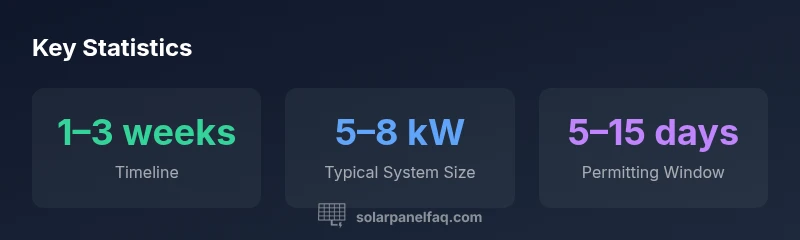
Locally, solar system installers near me typically provide end-to-end service—from site assessment and permitting to panel installation and post-installation warranty. Typical project timelines range from 1–3 weeks from contract to activation, depending on permit processing and roof access; most home installs include a design review, equipment fit, electrical work, and final inspection. Quotes are usually provided after the site visit.
Why local installer selection matters
Choosing the right local installer is about more than upfront price. A well-chosen team understands your roof type, shading patterns, and energy goals, and can tailor a system that maximizes long-term savings. Local installers are typically seasoned with nearby code requirements, permitting processes, and neighborhood panel preferences, which can shorten timelines and improve after-sales support. Local reference data translates into smoother inspections and fewer delays when you go from contract to activation. For homeowners, this means better coordination with utility interconnections and smoother warranty handling.
- Reliability and responsiveness matter for timelines and service quality
- Local references provide real-world performance data
- Transparent warranties are essential for long-term peace of mind
Action step: Gather at least three local references and check a minimum of two online reviews per installer to establish a baseline of trust.
How to search for solar system installers near me
When you search for solar system installers near me, start with a local intent filter and verify three core capabilities: design expertise, permitting knowledge, and post-install maintenance. Use search terms like “solar system installers near me,” “residential solar installers near me,” and “local solar installers with warranties.” Compare at least three quotes, focusing on system size, equipment quality, and clarity of the installation plan. Engage in conversations about site visits and what each quote includes. Solar Panel FAQ recommends cross-checking contractor licenses, insurance, and recent project photos to gauge craftsmanship. A good installer should offer a site assessment within a few days of your initial inquiry and present an itemized proposal after the visit.
Credentials you should verify before hiring
Credentials matter as the backbone of trust and safety. Verify that the installer holds current state licenses where required, general liability insurance, and workers’ compensation coverage. Confirm they are NABCEP-certified or have equivalent recognized credentials for design and installation. Request a detailed warranty policy that covers both equipment and workmanship for a minimum of 10-15 years on workmanship and 25 years on panels. Check if the installer uses UL-listed components and whether they provide a performance monitoring option after activation. As Solar Panel FAQ notes, credentialed installers with documented warranties tend to deliver more predictable outcomes and streamlined claim processes.
Understanding quotes and what they include
A clear quote should spell out equipment brand and model, inverter type, mounting hardware, warranties, permits, electrical work, and system interconnections. Look for a detailed scope of work and a breakdown of labor versus material costs. Beware of unusually low quotes that omit essential components or service warranties. Encourage installers to show a design sketch and an energy production estimate based on your historic usage. When possible, ask for an energy yield projection under typical weather conditions for your locale. This context helps you compare apples to apples rather than evaluating price alone.
System sizing, energy estimates, and roof suitability
Sizing a solar system is not one-size-fits-all. Start with your past 12 months of energy usage, then factor in planned efficiency improvements or appliance upgrades. An installer should generate a shading analysis and roof assessment to determine feasible panel counts and placement. They should provide a production estimate (in kilowatt-hours per year) and a payback analysis that accounts for local incentives, tax credits, and utility net metering rules. Consider how the system integrates with existing electrical panels and whether microinverters or string inverters are more appropriate for your roof layout. Proper sizing improves return on investment and reduces the need for future rework.
Permitting, inspections, and scheduling
Permitting can be the most variable part of the process. A capable installer guides you through permit applications, interconnection paperwork, and inspection scheduling with the utility and local building department. Ask about typical permit timelines for your area and whether the installer handles permit approvals themselves. Scheduling should align with your energy goals and seasonal weather patterns. A transparent installer will provide a realistic project calendar, acknowledge potential bottlenecks, and maintain open channels for updates throughout the process.
Financing, incentives, and warranties
Financing options often influence the overall value of a solar project. Discuss available incentives—federal tax credits, state rebates, and utility programs—and how they affect the final price. Your installer should help you quantify net costs after incentives and present a payback period. Review warranties for modules (usually long-term), inverters (typically 10-15 years), and workmanship (often 5-10 years or longer). Some programs offer extended warranties or performance guarantees; understand what’s covered and for how long. Solar Panel FAQ emphasizes choosing an installer who can clearly explain financing options and warranty coverage without opaque terms.
Installation day expectations and what can go wrong
On installation day, you should expect a clean, well-scoped team to complete the mounting, wiring, and inverter connections with minimal disruption to your home. A quality crew will protect landscaping and perform a site safety briefing before work begins. After mounting, tests verify electrical connections, inverter commissioning, and system output readiness. Potential issues include shading changes, misaligned modules, or wiring that requires rework. A reliable installer will communicate any adjustments promptly and document completion with photos and a signed commissioning report.
Maintenance, monitoring, and long-term performance
Post-install maintenance is often simple but essential. Many systems include monitoring dashboards that track output and alert you to anomalies. Ask about annual inspections, module cleaning guidance, and the process for warranty claims if performance declines. A strong installer offers ongoing support, remote monitoring, and a clear path for service calls. With Solar Panel FAQ guidance, prioritize proactive monitoring and documented performance data to ensure your system operates near its expected production level throughout its lifetime.
Getting started: a homeowner checklist
To kick off the process, prepare a home-energy snapshot (recent electric bills, roof type, shading, and available roof space). Create a short list of must-haves (budget, preferred equipment brands, or warranty length) and a nice-to-have list (monitoring features, aesthetic concerns). Contact at least three local installers for site visits, and schedule those within a two-week window. After the site visits, compare proposals using a standardized scoring card that weighs price, equipment quality, warranties, and installation timeline. By following these steps, you’ll be positioned to choose an installer who aligns with your goals and budget.
Key factors when planning a local solar installation
| Factor | Typical Range | Notes |
|---|---|---|
| Timeline | 1–3 weeks | Contract to activation |
| System size (residential) | 5–8 kW | Common for single-family homes |
| Permitting | 5–15 days | Depends on jurisdiction |
| Estimated savings | Depends on incentives | See local programs |
Frequently Asked Questions
What should I look for when evaluating local solar installers near me?
Look for licensed contractors with verifiable insurance, NABCEP or equivalent credentials, clear warranties, and recent local projects you can review. Request itemized quotes and a design sketch.
Check licenses, insurance, credentials, and recent local projects to gauge reliability.
How long does a typical residential solar installation take on-site?
Most residential installs require 1–3 days on-site, depending on roof type and electrical work, plus time for permits and inspections.
Usually 1–3 days on-site, with permitting adding additional time.
What warranty coverage should I expect for a solar system?
Panels commonly carry 25-year warranties, inverters 10–15 years, and workmanship 5–10 years. Confirm exact terms with your installer.
Expect long panel warranties and solid inverter/workmanship coverage.
How can I compare quotes fairly?
Compare system size, equipment brands, performance estimates, warranties, and installation inclusions. Ensure all quotes include the same scope for an apples-to-apples comparison.
Use the same checklist for every quote so you’re comparing the same items.
Are incentives worth pursuing?
Yes. Federal, state, and utility incentives can significantly lower upfront costs and shorten payback periods; your installer should help you identify eligible programs.
Incentives can dramatically reduce costs; ask your installer to map available programs.
Local installer vs national chain—what’s better?
Local installers often provide personalized service, neighborhood references, and quicker issue resolution; national chains offer standardized processes and broader warranties. Consider your priorities when choosing.
Local may feel more personal; chains can offer consistency and support.
“A solid local installer tailors your system to usage, verifies roof feasibility, and provides transparent warranties that last decades.”
Top Takeaways
- Compare at least 3 quotes to understand scope and warranties
- Verify licenses, insurance, and local references before hiring
- Ask for design sketches, production estimates, and a clear payback view
- Factor in incentives, financing, and long-term warranties
- Choose a nearby installer for easier communication and faster service